
Planting
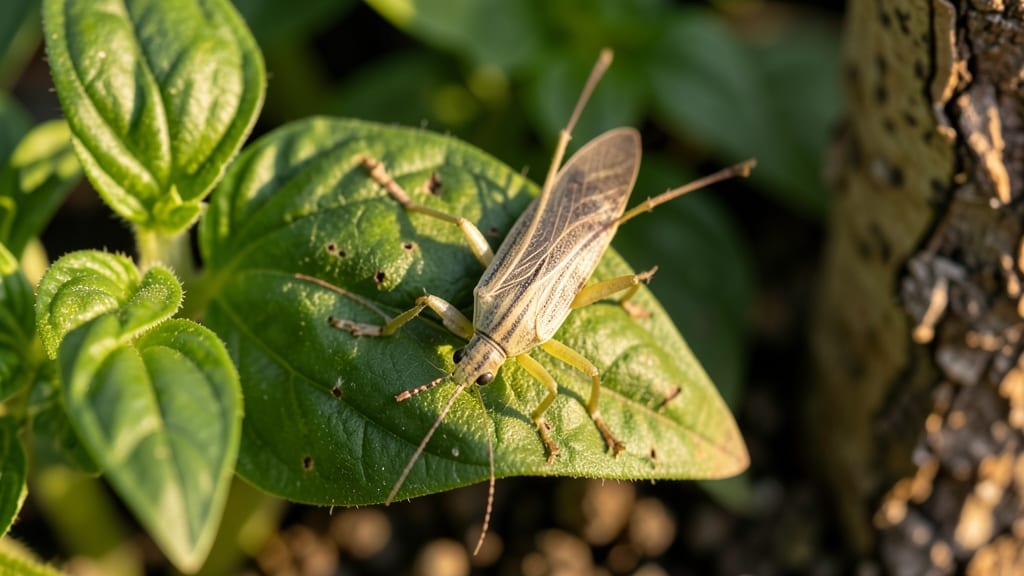
Those tiny plant sucking bugs that turn your leaves into sticky messes are sucking pests—and I’ve spent years perfecting natural barrier methods that stop them before they start. 🌿 The moment I noticed my basil wilting with tiny black specks, I knew I needed a smarter approach than sprays.
These pests don’t just weaken plants; they ruin harvests and spread diseases faster than you can say "aphid outbreak." The key is prevention: sticky traps, reflective mulch, and companion plants that repel them naturally.
I’ve tested everything from copper tape to garlic sprays, and the best solutions don’t just kill bugs—they keep them away for good. No more losing entire plants to whiteflies or scale in a single season. What you’ll get is a garden where pests barely land, let alone settle in.
Your plants stay lush, your harvests stay sweet, and you avoid the chemical cleanup that leaves residue behind. The best part? These methods work for vegetables, flowers, and even houseplants. Here’s how to set up defenses that outsmart sucking bugs before they become a problem—no guesswork, just results.
Root Causes Of Plant Damage
Understanding why these tiny pests target your plants is the first step to stopping them. Plant-sucking insects—like aphids, whiteflies, and leafhoppers—don’t just appear out of nowhere. Their presence is usually tied to specific environmental, biological, or even human-related factors. Let’s break down the real reasons your plants are under siege.
Sucking bugs thrive in chaos. When plants are crowded, they struggle to compete for resources like sunlight, water, and nutrients.
Weakened foliage becomes an easy meal for pests because: - Reduced vigor: Stressed plants produce less sap (their natural defense), making them more appealing to bugs. - Higher humidity: Dense plantings trap moisture, creating a cozy environment for insects to breed. - Limited airflow: Stagnant air slows evaporation, keeping leaves damp—ideal for pests like whiteflies.
Actionable fix: Prune regularly to improve airflow and space out plants. Remove dead or dying leaves immediately—they’re pest magnets.
Healthy soil = healthy plants = natural pest resistance. When soil lacks essential nutrients (like nitrogen, phosphorus, or potassium), plants become nutritionally deficient, making them prime targets.
Sucking bugs are drawn to: - Yellowing leaves (a sign of nitrogen deficiency), which lack the tough, bitter compounds that repel pests. - Stunted growth, which reduces the plant’s ability to produce protective resins or volatile oils. - Excessive sap production (a side effect of phosphorus deficiency), which attracts sap-sucking insects.
Actionable fix: Conduct a soil test and amend with compost or organic fertilizers. Avoid over-fertilizing with synthetic nitrogen—it can make plants more attractive to pests.
Sucking bugs love warmth and humidity. They reproduce rapidly in:
- Greenhouses or conservatories, where temperatures are controlled and humidity is high.
- Shady, damp areas of the garden where water pools after rain.
- Regions with mild winters, allowing pests to survive year-round.
Actionable fix:
- Improve drainage in garden beds to reduce standing water.
- Use row covers in early spring to block migrating pests before they arrive.
- Increase airflow with fans or strategic pruning to lower humidity.
Sometimes, the problem isn’t even in your garden—it’s hitchhiking on new plants or tools. Sucking bugs can:
- Latch onto nursery-bought plants (especially tropical or greenhouse-grown species).
- Travel on pruners, gloves, or pots from infested areas.
- Spread via wind or water from nearby infected plants.
Actionable fix:
- Quarantine new plants for 2–4 weeks before introducing them to your garden.
- Disinfect tools with rubbing alcohol or a 10% bleach solution between uses.
- Inspect plants thoroughly before purchase—look for sticky residue (honeydew) or tiny bugs on undersides of leaves.
Nature has its own pest control—beneficial insects like ladybugs, lacewings, and parasitic wasps that prey on sucking bugs. When their populations decline (due to pesticides, habitat loss, or climate change), pests explode in numbers.
Actionable fix:
- Avoid broad-spectrum pesticides (they kill both pests and predators).
- Plant companion flowers (like marigolds, dill, or alyssum) to attract natural enemies.
- Create habitat with birdhouses, bee baths, or native plants to support predator populations.
Even well-meaning gardening practices can invite sucking bugs.
Common culprits include: - Overwatering, which keeps soil soggy and leaves damp—ideal for whitefly eggs. - Using synthetic fertilizers, which can alter plant chemistry, making them more palatable to pests. - Ignoring early signs (like curled leaves or honeydew), allowing infestations to spiral out of control.
Actionable fix:
- Water at the base (not overhead) to keep foliage dry.
- Rotate crops annually to disrupt pest life cycles.
- Monitor plants weekly—catch problems early with a magnifying glass or sticky traps.
Pro Tip: 💡 Sucking bugs often target plants that are already weakened. Strengthen your plants’ natural defenses first—healthy foliage is the best deterrent!
Natural Ways to Stop Plant Pests
Now that you know what attracts those pesky sap-sucking insects to your garden, it’s time to take action! The good news? You don’t need harsh chemicals to keep them away. Here’s a practical, plant-friendly guide to kicking them out for good—using barriers, repellents, and long-term prevention.
Sap-sucking bugs like aphids, stink bugs, and leafhoppers can’t get through the right defenses. Try these easy-to-install shields:
1️⃣ Row Covers & Mesh Netting 🛡️
- Best for: Seedlings, young plants, and high-value crops (like tomatoes or peppers).
- How to do it:
- Use fine mesh netting (with holes smaller than 0.6mm) to block tiny bugs.
- Drape it loosely over plants, securing edges with clips or stakes—leave room for airflow.
- For stink bugs, opt for heavier mesh (like agricultural-grade netting).
- Pro tip: 💡 Remove covers when plants are established (usually after 6-8 weeks) to avoid heat stress.
2️⃣ Collars for Stem-Loving Pests 🌱
- Best for: Cabbage worms, flea beetles, and cutworms that attack stems.
- How to do it:
- Cut cardboard or aluminum foil into 2-inch-wide rings.
- Slide them 1-2 inches deep around stems (like a sleeve).
- Double-layer for extra protection if bugs are persistent.
- Pro tip: ✨ Reuse old toilet paper rolls as biodegradable collars for small plants!
3️⃣ Mulch to Disrupt Their Path 🌎
- Best for: Ground-dwelling pests (like squash bugs or chinch bugs).
- How to do it:
- Apply 2-3 inches of organic mulch (straw, wood chips, or grass clippings) around plants.
- This blocks eggs from hatching and confuses adult bugs looking for soft soil.
- Bonus: Mulch retains moisture and reduces weeds!
Sometimes, bugs just need a strong "stay away" signal. These non-toxic tricks work fast:
1️⃣ Plant Power: Companion Planting 🌺
- Best repellent plants:
- Marigolds (release a scent that bugs hate).
- Basil, mint, or lavender (deter aphids and whiteflies).
- Nasturtiums (trap aphids away from your veggies).
- How to plant:
- Interplant these near vulnerable crops (e.g., basil with tomatoes).
- Crush leaves occasionally to release essential oils.
2️⃣ Homemade Sprays That Pack a Punch 💦
- Soap spray (for soft-bodied bugs):
- Mix 1 tbsp mild liquid soap + 1 quart water in a spray bottle.
- Spray directly on pests (aphids, mites) on a sunny day (soapy water dries fast).
- Reapply every 3-5 days until bugs vanish.
- Garlic & chili spray (for stink bugs & beetles):
- Blend 2 garlic cloves + 1 chili pepper + 1 quart water.
- Strain, add 1 tsp dish soap, and spray evenly on leaves.
- Works best at dusk when bugs are most active.
3️⃣ Diatomaceous Earth (DE) – The Silent Killer 🦠
- Best for: Crawling pests (like squash bugs or spider mites).
- How to use:
- Sprinkle food-grade DE lightly on dry soil and leaf surfaces.
- Avoid spraying on flowers (it can harm bees).
- Reapply after rain (it loses effectiveness when wet).
- Pro tip: 🌡️ Use in the morning so bees aren’t around when you apply it.
Prevention is the best offense. Stop bugs before they start with these smart habits:
1️⃣ Remove Debris & Eggs 🧹
- Why? Many sap-suckers (like stink bugs) lay eggs in dead leaves or mulch.
- How to do it:
- Clean up garden debris in fall and spring.
- Inspect plant undersides for egg clusters (look for tiny white/yellow masses).
- Drop egg masses in soapy water to kill them.
2️⃣ Encourage Beneficial Bugs 🐞
- Natural predators of sap-suckers:
- Ladybugs (eat aphids).
- Lacewings (devour soft-bodied pests).
- Parasitic wasps (target stink bug eggs).
- How to attract them:
- Plant dill, fennel, or yarrow to lure them in.
- Avoid pesticides (even "organic" ones can harm these helpers).
3️⃣ Rotate & Diversify Your Plants 🌱
- Problem: Bugs specialize in certain plants (e.g., squash bugs love cucurbits).
- Solution:
- Rotate crops yearly to starve out pests.
- Plant a variety of herbs/flowers to confuse bugs.
If your plants are severely damaged (wilting, holes, or sticky honeydew), try:
- Neem oil spray (disrupts bug life cycles).
- Kaolin clay (creates a protective film on leaves).
- Professional pest control (if bugs are overwhelming).
Final Thought: 🎯 The key is consistency. Combine barriers, repellents, and prevention for a bug-free garden—without chemicals! Start with one or two methods, monitor progress, and adjust as needed. Your plants (and your sanity) will thank you.
Frequently asked questions
What are the most common types of plant-sucking bugs?
The most troublesome plant-sucking pests include aphids, whiteflies, scale insects, leafhoppers, and stink bugs. These tiny invaders pierce plant tissues to feed on sap, leaving behind sticky honeydew that attracts mold and weakens your plants. Aphids are especially common on new growth, while whiteflies love the undersides of leaves.
How do I know if my plants have sucking bugs?
Look for these telltale signs: sticky residue (honeydew) on leaves, yellowing or curled leaves, tiny black specks (frass), or visible bugs clustered on stems. Turn leaves over—many sucking bugs hide there! You may also notice ants farming aphids for their honeydew, which is a major red flag.
Will neem oil really kill sucking bugs?
Yes, but it works best as a preventive measure rather than a quick fix. Neem oil disrupts the life cycle of sucking bugs by interfering with their feeding and reproduction. For best results, spray it every 7-10 days during peak pest seasons (spring and summer). Mix 1 tbsp neem oil + 1 tsp mild soap + 1 quart water for maximum effectiveness.
Can I use sticky traps for sucking bugs?
Yellow sticky traps are excellent for monitoring and reducing populations of whiteflies, aphids, and leafhoppers. Place them near infested plants, about 2-3 feet above ground. They work best when combined with other methods like companion planting or row covers. Replace traps every 2-4 weeks or when they become saturated with bugs.
What's the best natural predator to introduce against sucking bugs?
Ladybugs are the superheroes of the garden—each one can eat 5,000+ aphids in its lifetime! Other excellent natural predators include lacewings (which devour soft-bodied pests) and parasitic wasps (which target stink bug eggs). Plant dill, fennel, or yarrow to attract these beneficial insects naturally.