
Planting
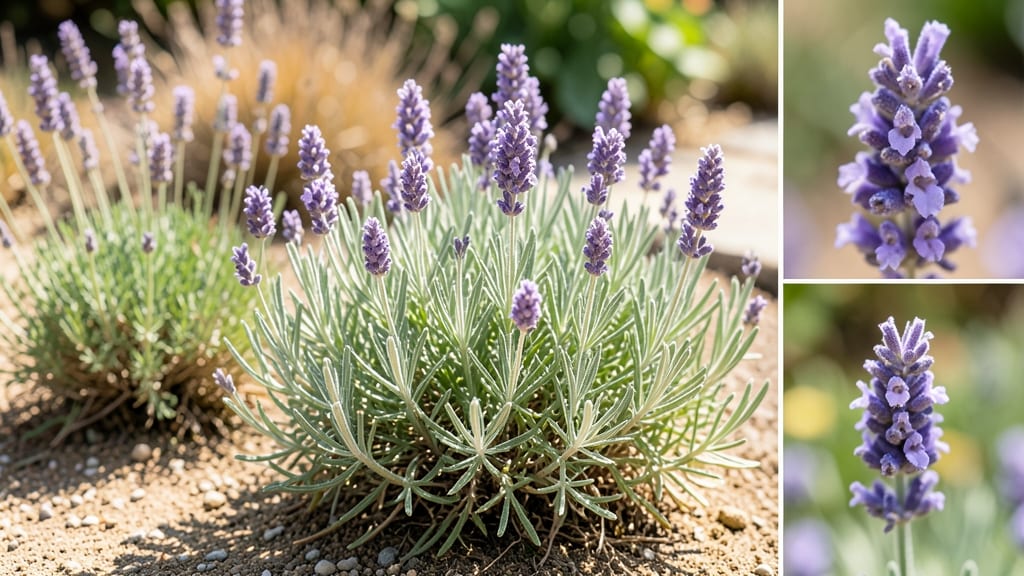
Purple flowers transform gardens into dreamy, pollinator-packed havens—but the plant that has purple flowers you choose makes all the difference. 🌸 I’ve spent years testing which purple bloomers thrive in my zone, and these standouts deliver bold color while attracting bees, butterflies, and hummingbirds all season long.
Whether you want dramatic borders or delicate containers, there’s a purple plant that fits—some even bloom year-round with the right care.
The best purple performers include clematis (vines that climb trellises), lavender (fragrant and drought-tolerant), and salvia (tough as nails with striking spikes). For shade, heuchera and astilbe offer velvety foliage with purple blooms that last from spring to fall.
Each thrives in different light conditions, so you can mix them for a nonstop purple show no matter where you garden.
Imagine your garden in late summer: clematis draping over arches, salvia swaying in the breeze, and lavender releasing its scent as you brush past. These plants don’t just look stunning—they create a living tapestry that changes with the seasons.
Purple pairs beautifully with silver foliage, yellow blooms, and even deep reds, so your color scheme will feel intentional and lush.
Here’s the secret: plant in odd-numbered clusters (3, 5, or 7) for natural movement, and group similar water needs together. Whether you’re filling a sunny border or a shady corner, these purple stars will turn heads—and keep pollinators buzzing all season.
📚 In This Guide
- What you need
- Instructions
- Tips and common mistakes
- Wrapping up and next steps
What you need
- ● Purple-flowering plants: Choose from seeds, seedlings, or cuttings of varieties like cleome (Spider Flower), salvia (Purple Sage), lavender, petunias, or purple coneflowers (Echinacea). Pro tip: Pick native species to support local pollinators! 🐝✨
- ● Potting soil or garden soil: 10–20 lbs (4.5–9 kg) of high-quality, well-draining soil (mix in compost for organic matter).
- ● Containers or garden beds: Containers: 5–10 gallon pots (19–38 liters) with drainage holes for each plant.
- ● Garden beds: A sunny spot (6+ hours of sunlight daily) with loose, fertile soil.
- ● Watering can or hose: With a gentle spray nozzle for seedlings.
- ○ Fertilizer (optional but recommended): Balanced liquid fertilizer (10-10-10 or 20-20-20) for potted plants.
- ● Slow-release granules (e.g., Osmoote) for garden beds.
- ● Garden trowel or hand shovel: For transplanting seedlings.
- ● Pruning shears: To trim dead blooms and encourage new growth.
- ○ Mulch (optional): 2–3 inches (5–7 cm) of shredded bark or straw to retain moisture.
- ● Support stakes (for tall varieties): Bamboo stakes or tomato cages for cleome or salvia.
- ○ Pollinator-friendly add-ons (optional): Bee houses or butterfly puddling stations.
- ● Companion plants like basil or marigolds to repel pests.
- ● Know your USDA Hardiness Zone (check here) to pick cold-hardy varieties.
- ● Test your soil’s pH (aim for 6.0–7.0 for most purple flowers).
- ● Plan for spacing: 12–24 inches (30–60 cm) between plants for airflow.
Step-by-Step guide to cultivating a stunning purple flower garden
Here’s how to create a vibrant, pollinator-friendly display using four of nature’s most striking purple bloomers.
🌱 Step 1: Select Your Purple Starters
Choose four plants that thrive in your climate and sunlight conditions. For full sun, lavender and purple coneflower are unbeatable—lavender’s silvery foliage contrasts beautifully with its deep purple spikes, while coneflower’s daisy-like blooms draw bees and butterflies for weeks. For partial shade, cleome (spider flower) and salvia deliver dramatic vertical interest with their velvety purple blooms.
I always buy established plants from local nurseries rather than seeds for this project. That way, you skip the germination wait and get immediate impact. Look for plants with firm stems, bright green leaves, and buds just beginning to open—these will flower within days of planting.
☀️ Step 2: Prepare the Planting Site
Clear the area of weeds and loosen the soil to a depth of 6-8 inches using a garden fork. Purple flowers thrive in well-draining soil, so amend heavy clay with 2-3 inches of compost mixed into the top layer. For containers, use a lightweight potting mix with perlite to prevent waterlogging—these plants hate soggy roots.
Here’s the thing—lavender and salvia despise wet feet, so if your soil drains poorly, create a 6-inch raised bed instead. Space plants according to their mature size: 12-18 inches apart for lavender and salvia, 18-24 inches for cleome and coneflower. Mark planting spots with small stakes to avoid crowding.
🪴 Step 3: Plant with Precision
Dig holes twice as wide as each plant’s root ball but only as deep as the container’s base. Gently remove plants from their pots and tease apart any circled roots—this encourages outward growth. Place each plant in its hole so the top of the root ball sits level with the surrounding soil (never buried deeper).
Backfill with native soil, pressing lightly to eliminate air pockets. Water deeply until moisture reaches 4-6 inches down—you’ll see water pooling at the surface before it drains away. Mulch with 2 inches of shredded bark, keeping it 2 inches away from stems to prevent rot. This keeps roots cool and conserves moisture.
💧 Step 4: Water and Feed Strategically
Water deeply once a week (or when the top 2 inches of soil feel dry). Purple flowers store water in their roots, so shallow watering encourages weak stems. I use a soaker hose for containers to deliver moisture directly to roots without wetting foliage—this prevents fungal diseases that turn leaves yellow.
Fertilize lightly: Once in spring with a balanced 10-10-10 formula and again after flowering with a low-phosphorus blend (like 5-5-5) to promote next year’s blooms. Purple flowers like cleome and coneflower are self-sufficient—overfeeding leads to lush foliage but fewer flowers. Watch for dull green leaves as a sign of excess nitrogen.
✂️ Step 5: Maintain for Continuous Blooms
Deadhead spent blooms weekly to redirect energy into new flowers. For lavender, trim back one-third of the oldest stems after flowering to encourage bushier growth. Coneflowers and salvia are tougher—just snip off faded heads at the base. I always use clean, sharp pruners to avoid tearing stems.
Watch for pests: Aphids on new growth and powdery mildew on lavender are common. Spray affected areas with neem oil at dusk—this disrupts pests without harming pollinators. In late fall, cut back cleome and salvia to 4 inches tall, but leave lavender and coneflower standing for winter interest and protection.
Tips & tricks for cultivating a stunning purple flower garden
Transforming your garden into a purple paradise isn't just about planting—it's about creating the perfect conditions for each plant to thrive. Here's what I've learned after years of growing these vibrant bloomers.
Location Matters: Lavender and purple coneflower demand full sun—at least 6-8 hours daily—while cleome and salvia tolerate partial shade. I've seen lavender completely fail in shady spots, so always check your garden's light conditions before selecting plants. For containers, place them where they'll receive maximum sunlight, rotating pots occasionally for even growth.
The Soil Secret: Purple flowers despise soggy roots, so focus on drainage. In Step 2, when amending heavy clay, mix in 2-3 inches of compost and consider creating a 6-inch raised bed if drainage is poor. For containers, use a lightweight mix with perlite—this prevents waterlogging that can kill lavender and salvia. I've ruined multiple lavender plants by ignoring this, so don't make my mistake!
Planting Precision: In Step 3, pay special attention to root ball placement. The top should sit level with the surrounding soil—never buried deeper. This prevents rot while encouraging strong root growth. When teasing apart circled roots, be gentle but thorough. I use my fingers to carefully separate roots, which helps plants establish faster in their new home.
Maintenance Magic: Deadheading weekly in Step 5 is non-negotiable for continuous blooms. For lavender, trim back one-third of the oldest stems after flowering to encourage bushier growth. I've found that using clean, sharp pruners makes all the difference—dull blades tear stems, inviting diseases. Always sterilize your tools between cuts with rubbing alcohol to prevent spreading pathogens.
Pro Tips for Plant That Has Purple Flowers
- Transforming your garden into a purple paradise isn't just about planting—it's about creating the perfect conditions for each plant to thrive.
- Location Matters: Lavender and purple coneflower demand full sun—at least 6-8 hours daily—while cleome and salvia tolerate partial shade.
- The Soil Secret: Purple flowers despise soggy roots, so focus on drainage.
Frequently asked questions
Got questions about adding purple blooms to your garden? Here are some of the most common queries—and answers—to help you grow a thriving pollinator haven with ease!
Which purple-flowering plants attract the most butterflies and bees?
Look for purple coneflower (Echinacea purpurea), bee balm (Monarda didyma), and lavender (Lavandula). These plants are packed with nectar and pollen, making them irresistible to pollinators. Just ensure they’re planted in full sun for best results!
When is the best time to plant purple flowers for continuous blooms?
For perennial purple flowers, plant in early spring or fall when soil temperatures are mild. Annuals like petunias or cleome can be sown directly after the last frost. Deadheading spent blooms (removing faded flowers) encourages more flowers all season long!
Can I grow purple flowers in containers or small spaces?
Try pansies, nasturtiums, or dwarf petunias—they thrive in pots and add vibrant color to balconies or patios. Just use well-draining soil and a container with drainage holes to prevent root rot.
How do I keep purple flowers looking healthy in hot or rainy weather?
Water deeply but infrequently (about 1 inch per week) to encourage strong roots. In heatwaves, mulch around the base to retain moisture. If rain is heavy, ensure containers have drainage to avoid soggy soil, which can lead to fungal issues.
What are some low-maintenance purple flowers for beginners?
Start with salvia, catmint (Nepeta), or purple sage (Salvia leucantha). These drought-tolerant plants require minimal care, bloom prolifically, and handle poor soil better than fussy varieties. Perfect for busy gardeners!
Wrapping up and next steps
From the delicate Lavender to the bold Petunia, purple-flowering plants bring color, life, and pollinators to any garden! Whether you’re a seasoned gardener or just starting, these vibrant blooms are easy to grow and offer endless creative possibilities. 🌸
Ready to transform your outdoor space? Pick your favorite purple blooms, gather your supplies, and start planting today—your garden (and the bees!) will thank you. Check out our step-by-step guide to get growing!