
Planting
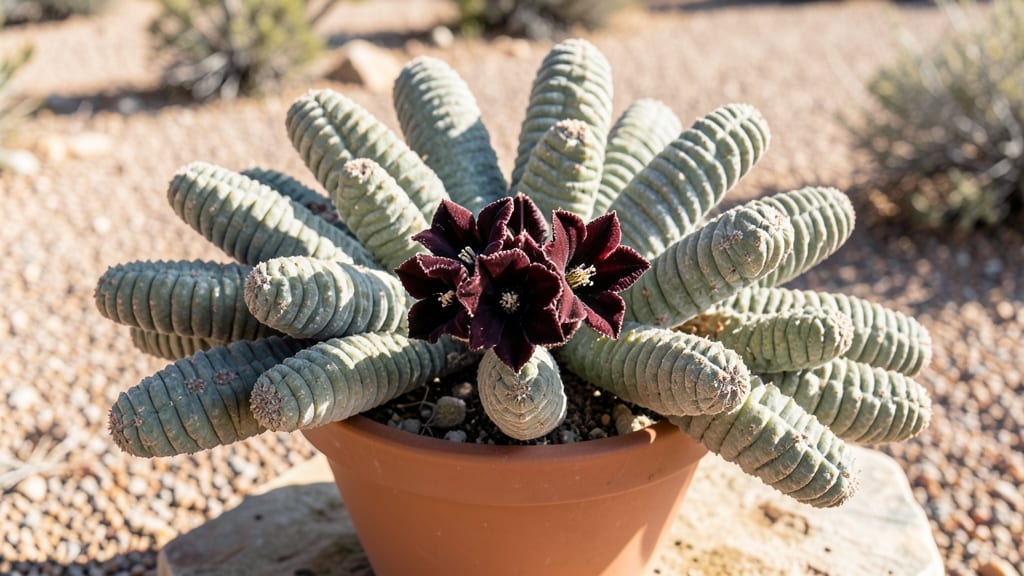
A plant that smells like rotten meat is typically a carnivorous species like the carrion flower (Stapelia) or dead horse arum (Helicodiceros muscivorus), which emit foul odors to lure flies for pollination. These plants thrive in warm climates and demand specialized care for optimal growth.
These plants use their putrid scent as an evolutionary trick to attract flies, which then carry pollen between flowers. 🌿 The carrion flower, for example, produces clusters of star-shaped blooms that smell like rotting meat, while the dead horse arum emits an even stronger odor.
They're perfect for gardeners who enjoy unique, conversation-starting plants but need to be grown in well-draining soil with plenty of sunlight.
One key consideration is their carnivorous nature—these plants need nutrients from insects, so they thrive in poor, acidic soil. I recommend using a mix of peat moss and perlite to mimic their natural bog environments. Just be prepared for the strong aroma, which can be overpowering in small spaces.
💡 In This Article
- Why Do These Plants Smell Like Rotten Meat?
- Growing and Caring for Stinky Carnivorous Plants
Why do these plants smell like rotten meat?
The foul odor these plants produce isn't accidental—it's a sophisticated evolutionary adaptation. These carnivorous species rely on volatile organic compounds (VOCs) like dimethyl disulfide and dimethyl trisulfide, which are identical to those found in decaying meat.
These chemicals create an irresistible signal for flies and other insects, which are drawn in to investigate what they perceive as a potential food source.
The mechanism works like this: when flowers like the dead horse arum bloom, they release these compounds in precise pulses, mimicking the gradual decomposition process. 🌺 The scent isn't constant but rather intensifies during daylight hours when flies are most active.
This temporal control ensures maximum efficiency in attracting pollinators. Studies show that some species can produce odors detectable up to 10 feet away, making them incredibly effective at luring insects from a distance.
This adaptation provides a critical survival advantage. Unlike traditional flowering plants that rely on visual cues or sweet fragrances, carnivorous species like the Stapelia use deception to ensure pollination.
When flies land on the flowers in search of "food," they come into contact with pollen, which they then transfer to the next plant they visit. This process is so effective that some species achieve nearly 100% pollination success rates through this method.
The evolutionary payoff is clear: these plants gain access to pollinators without competing for resources with other flora. In their natural habitats—often nutrient-poor environments—they've developed this unique strategy to thrive.
The trade-off is the strong odor, which is why these plants are often found in isolated locations where the scent won't deter potential pollinators or human observers.
Interestingly, the odor isn't just about attracting flies—it's also about timing. Many of these plants bloom at specific times of year when flies are most abundant. The dead horse arum, for example, typically blooms in late spring or early summer, coinciding with peak fly activity.
This synchronization between plant biology and insect behavior demonstrates nature's remarkable precision in evolutionary adaptations.
What's fascinating is that these plants don't just mimic rotting meat—they create an entire ecological niche. The flies they attract often become trapped temporarily, giving the plant ample time for pollen transfer.
Some species even produce sticky surfaces or small hairs that help capture insects, ensuring they remain in contact with the flower long enough for effective pollination.
This biological strategy represents one of nature's most clever solutions to the challenge of reproduction in harsh environments. 💫 By turning their biggest liability—their need for pollinators—into a specialized advantage through deception, these plants have carved out a unique ecological niche that continues to fascinate botanists and gardeners alike.