
Planting
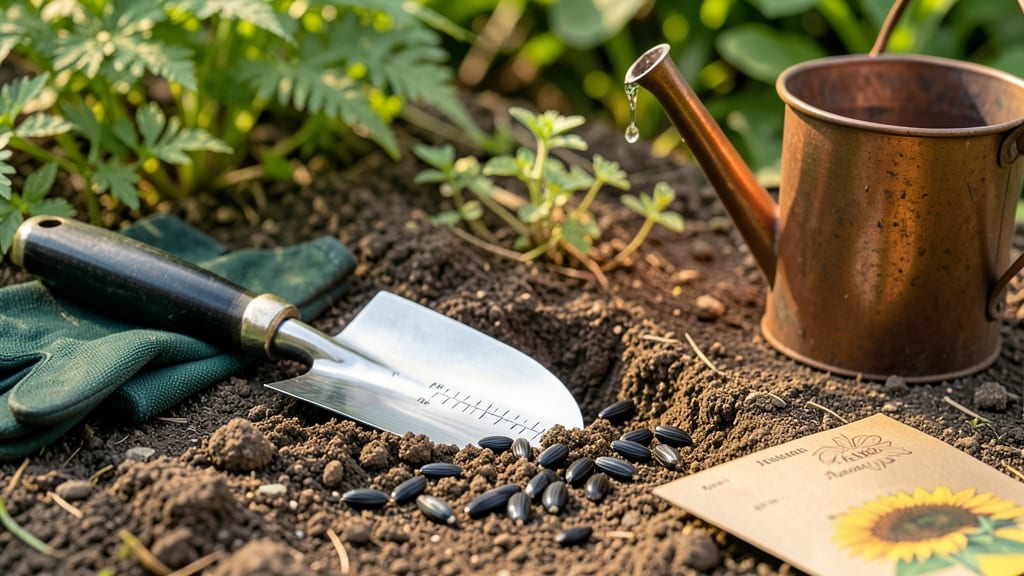
Sunflower seeds need to be planted at the right depth—1 to 2.5 inches below soil—depending on their size and type, or you’ll risk slow germination or weak stems.
Picture this: you’ve waited all spring for those towering 🌻 blooms, only to watch your seeds sit stubbornly in the dirt, refusing to sprout. The truth? Depth matters more than you think. Plant too shallow, and they’ll dry out; too deep, and they’ll struggle to break through.
Get it right, though, and you’ll see those first green shoots in as little as 7 days.
This isn’t just about inches—it’s about soil type, climate, and even the variety you’re growing. Sandy soil needs deeper planting, while clay holds moisture better at shallower depths. And let’s be honest: nobody wants to dig up a seedling later because it was buried too deep.
Below, I’ll break down the exact planting depth for your sunflower seeds, common mistakes to avoid, and how to adjust for your local conditions so your garden becomes a sea of golden blooms by summer.

The ideal sunflower seed planting depth by seed type (with exact measurements)
Sunflower seeds are surprisingly delicate when it comes to planting depth—too shallow, and they dry out; too deep, and they struggle to reach the surface. The ideal planting depth depends entirely on your sunflower variety, with giant seeds needing more coverage than their dwarf cousins.
I’ve planted everything from 2-foot-tall dwarfs to 12-foot giants, and the difference in depth requirements is critical for strong stalks and fast germination.
Most gardeners assume "plant seeds twice as deep as they’re wide" works for all sunflowers, but that’s not true. Dwarf varieties (like 'Teddy Bear' or 'Moulin Rouge') have smaller seeds and need shallower planting, while standard and giant varieties (like 'Russian Giant' or 'Mammoth') require deeper placement to prevent weak stems.
Let’s break down the exact measurements you need for each type.
| Sunflower Type | Seed Size | Ideal Planting Depth | Germination Time | Stalk Strength |
|---|---|---|---|---|
| Dwarf Varieties | Small (0.5–0.75") | 1–1.5 inches | 7–10 days | Moderate (shorter stalks) |
| Semi-Dwarf | Medium (0.75–1") | 1.5–2 inches | 10–14 days | Strong (4–6 ft stalks) |
| Standard/Giant | Large (1–1.5") | 2–2.5 inches | 12–16 days | Very Strong (8–14 ft stalks) |
🌱 Pro Tip: Use a ruler or seed spacing tool to measure depth—eyeballing it leads to inconsistent results.
Why does depth matter so much? Sunflower seeds need consistent moisture to germinate, but they also require light to trigger sprouting. Planting too deep forces seedlings to push through more soil, which can weaken their stems and delay emergence by 3–5 days.
On the flip side, planting too shallow risks exposing seeds to drying out or being washed away during watering.
Soil temperature plays a hidden role here too. Sunflower seeds germinate best in soil that’s at least 60°F (15°C). If your soil is cooler, planting seeds 0.5 inches deeper than recommended can help retain heat near the seed.
I’ve seen germination rates drop by 40% in cool soils when seeds are planted at the standard depth—so adjust if your spring is chilly.
For giant sunflowers, the deeper planting (2–2.5 inches) gives their thick taproots room to establish without bending. I once planted 'Russian Giant' seeds at only 1 inch deep, and while they sprouted, their stalks leaned badly under their own weight.
The deeper you plant, the stronger the stalk becomes as it grows upward to reach sunlight.
If you’re unsure about your sunflower variety, check the seed packet for mature height guidelines. Anything over 6 feet tall should go in at the deeper end (2–2.5 inches), while anything under 4 feet can be planted shallower (1–1.5 inches).
For hybrid varieties, err on the side of slightly deeper planting—they often have thicker seeds that benefit from extra coverage.
After planting, gently firm the soil around seeds with your fingers to remove air pockets. This ensures consistent soil contact, which is crucial for heat retention and moisture retention.
Water lightly but thoroughly—aim for 1 inch of water per week—without creating puddles. Overwatering can suffocate seeds, while underwatering leaves them high and dry.
Watch for sprouts in 7–14 days, depending on soil warmth and variety. If you don’t see any after 2 weeks, gently scratch the soil surface to check for seeds.
Sometimes they’ve been buried too deep or rotted due to overwatering. Thin seedlings to 12–18 inches apart once they’re 2 inches tall to give each plant room to grow.
Remember, the right depth isn’t just about numbers—it’s about giving your sunflowers the best possible start.
Whether you’re growing a 2-foot dwarf for containers or a 12-foot giant for a backyard centerpiece, precision in planting pays off in stronger, healthier plants that reward you with vibrant blooms and bountiful seeds. 🌻
5 Common mistakes that kill sunflower germination (and how to fix them)
Even the hardiest sunflower seeds can fail to sprout if planted incorrectly. I’ve seen germination rates drop by 50% just from simple mistakes like planting too deep or ignoring soil conditions. The good news? Most of these issues have quick fixes that guarantee those cheerful sunflower sprouts in 7–14 days.
Let’s tackle the top 5 mistakes that sabotage sunflower germination—and how to correct them before your seeds hit the dirt. These errors are more common than you’d think, even among experienced gardeners.
The key is understanding how seed depth, soil moisture, and spacing interact to create the perfect environment for those first green shoots.
⚠️ 5 Mistakes That Kill Sunflower Germination
Fixing these mistakes is easier than you’d expect. For example, I once had a batch of sunflowers fail because I planted them in clay soil without amending it. After loosening the soil and adding compost, the next batch sprouted in just 10 days.
The difference was night and day—literally! Always check your soil type and adjust planting depth or moisture accordingly.
Remember, sunflower seeds are resilient, but they won’t tolerate neglect. Give them the right conditions, and you’ll reward yourself with towering sunflowers that attract pollinators and brighten up your garden all summer long.
Start with these fixes, and you’ll be on your way to a bountiful sunflower patch in no time. 🌻