
Planting
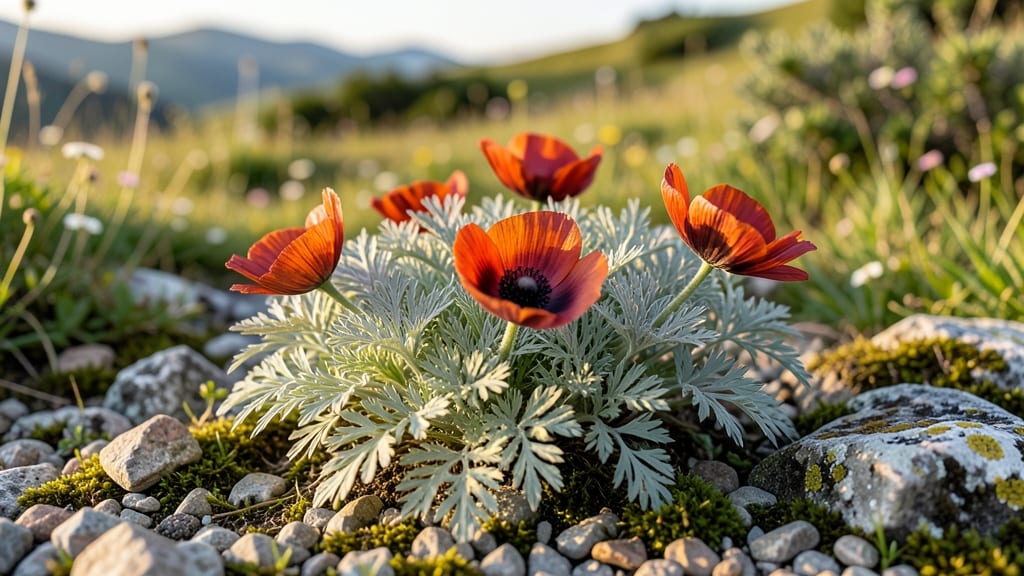
Growing poppies in Alpine Utah requires altitude-specific care: select hardy varieties like the Rocky Mountain Prickly Poppy (Argemone polyanthemos), plant in well-draining soil after the last frost, and ensure full sun exposure to prevent weak stems. Light mulching helps retain moisture without smothering roots.
Alpine Utah's thin air and intense sunlight create unique challenges for poppy cultivation. 🌿 The high elevation forces plants to develop deeper root systems to access moisture, while the strong UV rays demand varieties with natural protection against sun damage.
I've found that starting seeds indoors 6-8 weeks before the last frost gives them a head start in this harsh environment. The key is balancing soil preparation—adding compost improves drainage while retaining enough moisture for those critical early growth stages.
For best results, pair your poppies with alpine-friendly companions like cobaea scandens (cup-and-saucer vine) or Delphinium varieties, which share similar water needs and thrive in the same sun exposure. These pairings create a natural support system while enhancing your garden's visual appeal with complementary colors and textures.
💡 In This Article
- How Alpine Climate Affects Poppy Growth in Utah
- Best Poppy Varieties for Utah’s Mountain Regions
How alpine climate affects poppy growth in Utah
Alpine Utah's climate creates a double challenge for poppies: thin air and intense sunlight. At elevations above 8,000 feet, atmospheric pressure drops by about 25% compared to sea level, forcing plants to develop deeper root systems to access moisture and nutrients.
This adaptation explains why alpine poppies like Argemone polyanthemos grow 2-3 feet taller than their lowland cousins—their roots can reach 3-4 feet deep to tap into groundwater. The trade-off? Their stems become more brittle without proper support, which is why staking is essential in windy mountain gardens. 🌬️
The high UV index at these elevations—often exceeding 10-12 on clear days—demands poppies with natural sun protection. Alpine varieties have developed thicker waxy coatings on their leaves and petals, similar to how human skin tans to protect against UV exposure.
For example, the Rocky Mountain Prickly Poppy's silvery-blue foliage reflects up to 30% more sunlight than typical poppy leaves, reducing heat stress.
Without this adaptation, poppies would suffer from sunburn, leading to bleached petals and stunted growth—a common issue with lowland varieties like the opium poppy (Papaver somniferum) when transplanted to high altitudes.
Temperature fluctuations also play a crucial role in flowering cycles. Alpine Utah experiences 20-30°F temperature swings between day and night, which triggers poppies to enter a dormancy-like state during their growth phase. This adaptation prevents premature flowering—a survival mechanism that ensures blooms appear only when conditions are optimal.
For gardeners, this means planting seeds 4-6 weeks earlier than in lower elevations, as the cooler soil temperatures delay germination. The result? A longer blooming season (up to 8-10 weeks) compared to the 4-6 weeks typical in warmer climates.
Moisture retention becomes another critical factor. The combination of low humidity and high evaporation rates at altitude means poppies need soil that drains quickly but retains enough water to prevent wilting. A mix of 50% native alpine soil, 30% perlite, and 20% compost creates the ideal balance.
Without proper drainage, roots suffocate, leading to root rot—a silent killer in mountain gardens. This is why mulching with 1-2 inches of straw (not wood chips, which can compact) is recommended: it reduces water loss by up to 40% while allowing excess moisture to escape.
One surprising benefit of the alpine climate is the extended growing season for certain poppy varieties. While many plants struggle with late-season frosts, hardy species like the Iceland Poppy (Papaver alboroseum) can tolerate light frosts down to 20°F once established. Their secret?
A high sugar content in their sap acts as a natural antifreeze, similar to how maple trees survive winter. This resilience means you can often plant them as early as late April in Utah's high country, giving them a 2-3 week head start over lowland varieties.
For those experimenting with poppies in alpine Utah, consider the microclimate variations within mountain regions. North-facing slopes stay 5-10°F cooler and retain moisture longer than south-facing areas, making them ideal for moisture-loving varieties like the Blue Poppy (Meconopsis).
Conversely, south-facing slopes with full sun exposure are perfect for California Poppies (Eschscholzia californica*), which thrive in drier, warmer conditions. Understanding these nuances can mean the difference between a lush garden and a struggling one. 🌄