
Planting
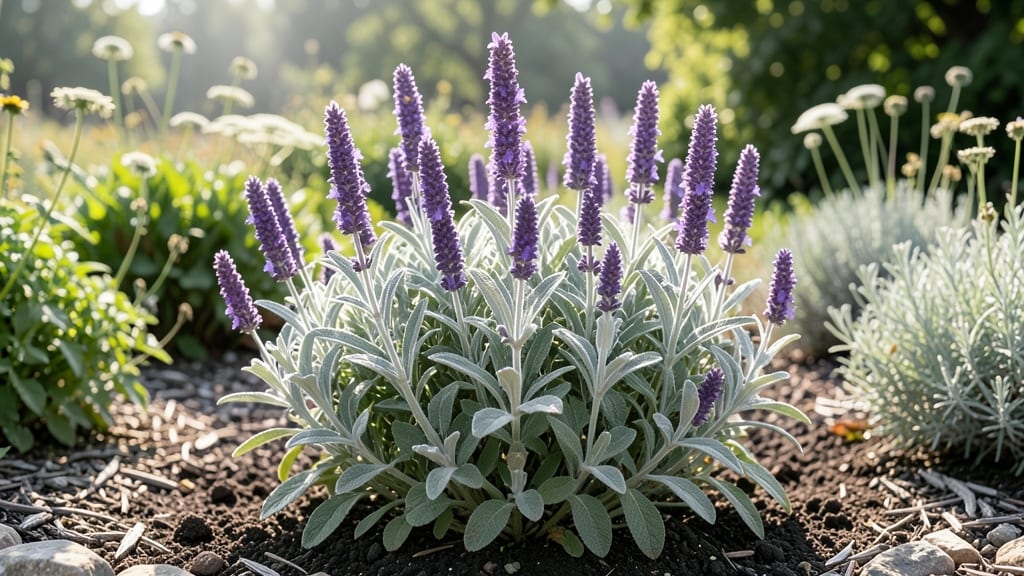
The purple catnip plant is the secret weapon for gardeners who want fast-growing, cat-magnet foliage that doubles as a pollinator draw. 🌿 I fell for it after seeing how quickly it filled gaps in my garden beds—within 6 weeks, my cats were sprawled across its velvety leaves while bees buzzed happily around it.
This isn’t your grandma’s catnip. Varieties like Nepeta 'Purple Haze' or Coleus 'Catnip Purple' grow aggressively in full sun, thriving in zones 5-11 with minimal fuss. The trick is well-draining soil (mix in compost) and occasional pruning to keep it bushy.
Overwatering is the only real enemy—let the top inch dry between drinks. By summer, you’ll have a football-sized purple mound that cats can’t resist and neighbors will envy. The foliage stays vibrant until frost, and if you snip back hard in spring, it rebounds like nothing happened.
Perfect for containers, borders, or even as a living cat toy. The best part? It’s drought-tolerant once established, so forget the daily watering routine. Just plant, watch it grow, and enjoy the show—both feline and floral.
📚 In This Guide
- What you need
- Instructions
- Tips and common mistakes
- Wrapping up and next steps
What you need
- ● Purple catnip seeds: 1 packet (50–100 seeds, depending on desired coverage)
- ● Seed-starting soil: 1 bag (5–10 lbs, well-draining and sterile)
- ● Growing containers: Seed trays (with drainage holes) or small pots (3–4 inches deep)
- ● OR a garden bed (full sun to partial shade, 6+ hours of light daily)
- ● Watering can or spray bottle: With a fine mist nozzle for gentle hydration
- ● Grow lights or natural sunlight: 12–16 hours of light daily (if indoors)
- ● Plant labels: To track varieties (especially if growing multiple types)
- ● Organic fertilizer: Balanced 10-10-10 or compost tea for faster growth
- ● Mulch: Straw or shredded leaves to retain moisture
- ● Pruning shears: For shaping mature plants
- ● Glove: To protect hands from prickly stems (if harvesting)
Step-by-step instructions for growing purple catnip
Here's how to grow vibrant purple catnip that thrives for cats—and you'll see fast results.
🌱 Step 1: Choose the Right Location and Prepare Soil
Purple catnip thrives in full sun to partial shade, with at least 6 hours of sunlight daily. I always pick a spot where my cats can't dig it up immediately—somewhere they can access it but won't destroy it overnight. The soil should be well-draining but moisture-retentive, so I mix in a 20% perlite blend to prevent waterlogging.
Test the soil pH before planting—purple catnip prefers a slightly acidic to neutral range (6.0-7.0). If your soil is heavy clay, amend it with compost to improve aeration. You'll know it's ready when the soil crumbles easily between your fingers and holds moisture without staying soggy.
🌱 Step 2: Plant Seeds or Transplants at the Right Time
For fastest growth, start seeds indoors 8-10 weeks before the last frost or plant transplants in early spring once soil temperatures reach 50°F. Purple catnip germinates best in warm soil, so I use a seedling heat mat if planting early. Sow seeds ¼ inch deep and space them 12-18 inches apart—they grow quickly and need room to spread.
If transplanting, handle the roots gently to avoid shock. Water deeply right after planting to settle the soil around the roots. You'll see the first true leaves emerge in 7-14 days, signaling successful germination. This is the moment that matters—once those leaves appear, growth accelerates.
☀️ Step 3: Water and Fertilize for Fast, Healthy Growth
Water purple catnip deeply once a week during the first month, then reduce to every 5-7 days once established. The key is keeping the soil evenly moist but never waterlogged—soggy roots lead to root rot, which kills plants quickly. You'll know it's time to water when the top 1-2 inches of soil feel dry to the touch.
Feed with a balanced, water-soluble fertilizer (10-10-10) every 4-6 weeks during the growing season. Purple catnip responds well to organic options like fish emulsion or compost tea, which boosts foliage production. Stop fertilizing in late summer to encourage hardier growth before winter.
✂️ Step 4: Prune and Maintain for Long-Lasting Foliage
Prune purple catnip regularly to encourage bushier growth and prevent legginess. I cut back one-third of the plant in early spring and again after flowering to maintain shape. Use clean, sharp shears to avoid tearing leaves—this prevents disease and keeps the plant looking tidy.
Remove spent flowers to redirect the plant's energy into foliage production. Purple catnip grows fast, so I harvest leaves as needed for my cats, but never take more than one-third of the plant at a time. This ensures it keeps producing fresh, aromatic leaves for months. You'll notice new growth within 2-3 weeks of pruning.
🪴 Step 5: Protect and Overwinter for Next Season
Purple catnip is perennial in USDA zones 4-9, but it needs protection in colder climates. Mulch the base with 2-3 inches of straw or shredded leaves in late fall to insulate roots. In zones below 4, dig up the plant and pot it for indoor overwintering in a bright, cool spot (50-60°F).
Bring it back outside in early spring once frost danger has passed. You'll see fresh growth within 2-3 weeks of repotting, proving it survived the winter. This plant is tough—with proper care, it'll thrive for years, providing endless entertainment for your cats.
Tips & tricks for growing vibrant purple catnip
Here's what nobody tells you about growing catnip that'll have your feline friends rolling in no time.
Sunlight Strategy: While purple catnip thrives with 6 hours of daily sunlight, morning sun paired with afternoon shade works best in hotter climates. I've seen plants in full sun wilt during summer afternoons, while those with filtered afternoon light stay lush and green. Position your catnip where it gets bright morning rays but gentle afternoon light—your cats will thank you with endless zoomies.
Germination Game-Changer: That 7-14 day germination window can feel like forever, but there's a trick: keep soil consistently warm (around 70°F) using a seedling heat mat. I've had seeds sprout in just 5 days using this method! The key is maintaining that warm soil temperature—once those first true leaves appear, growth accelerates dramatically. This is when your patience pays off.
Watering Wisdom: The "evenly moist but never waterlogged" rule is critical, but here's the real secret: water at the base of the plant rather than overhead. This prevents fungal issues and keeps leaves dry, which is especially important when your curious cats might be sniffing around. I use a watering can with a narrow spout to direct water precisely where the roots need it most.
Pruning Payoff: When you cut back one-third of the plant in spring, don't just hack away randomly. Focus on removing leggy growth and any stems that look weak or diseased. I always prune just above a set of healthy leaves—this encourages bushier growth from exactly where you want new foliage to emerge. You'll notice within 2-3 weeks that the plant fills out more densely, providing more leafy treats for your cats.
Pro Tips for Purple Catnip Plant
- Here's what nobody tells you about growing catnip that'll have your feline friends rolling in no time.
- Sunlight Strategy: While purple catnip thrives with 6 hours of daily sunlight, morning sun paired with afternoon shade works best in hotter climates.
- Germination Game-Changer: That 7-14 day germination window can feel like forever, but there's a trick: keep soil consistently warm (around 70°F) using a seedling heat mat.
Frequently asked questions
Got questions about growing purple catnip? You’re not alone! Here are some of the most common queries—plus quick answers to help you cultivate a thriving cat garden.
How fast does purple catnip grow compared to regular catnip?
Purple catnip grows at a similar pace to its green counterpart—expect rapid growth (6–12 inches per season) under ideal conditions (full sun, well-draining soil). The main difference? Its vibrant purple leaves add visual flair while retaining the same cat-attracting nepetalactone oil. Pro tip: Pinch back stems early to encourage bushier growth!
Will my cat go crazy for purple catnip like they do with green?
The color doesn’t affect potency—purple catnip contains the same active compounds (nepetalactone) that drive cats wild. Some cats even prefer the visual contrast of purple foliage. Just monitor playtime to avoid overstimulation (10–15 minutes of rolling is normal!).
How long does it take for purple catnip to become "active" for cats?
Purple catnip becomes cat-approved within 4–6 weeks of planting (or 2–3 weeks from seed indoors). The scent intensifies as leaves mature, but young plants can still trigger mild interest. Test it: Rub a leaf between your fingers—if it smells strongly herbal, your cat’s curiosity will spike!
Can I grow purple catnip in containers, or does it need a garden bed?
Containers work great for purple catnip! Use pots at least 12 inches deep with drainage holes, and place them in sunny spots (6+ hours of light daily). Just ensure the soil stays moist but not soggy—container plants dry out faster. Bonus: Moving pots lets you rotate sunlight exposure for even growth.
Why isn’t my purple catnip turning purple? Is it dying?
Don’t panic! Purple catnip may revert to green if it’s not getting enough sunlight (full sun = best color) or lacks phosphorus (add a balanced fertilizer like 10-10-10). Yellowing leaves? Check for overwatering. Fix it: Trim affected stems to encourage new, vibrant growth.
Are there non-toxic alternatives to catnip for cats who overreact?
Yes! Try these milder options:
- Silver vine (Actinidia polygama): A Japanese favorite that triggers similar (but less intense) reactions.
- Cat grass (wheatgrass): Gentle on digestion and great for scratching.
- Valerian root: Stronger than catnip but in small doses—use sparingly!
Wrapping up and next steps
Ready to transform your cat’s world with a splash of purple magic? The purple catnip plant isn’t just a treat—it’s a fast-growing, low-maintenance superstar for any feline garden.
Whether you’re a seasoned gardener or a curious newbie, this vibrant plant brings joy to both you and your furry friend with minimal effort.
Now that you’re armed with the know-how, grab those seeds or cuttings and get planting! 🌱 Start small—even a single pot can make a difference—and watch your cat go wild (in the best way). Pro tip: Share your progress with fellow cat lovers online for extra inspiration!