
Planting
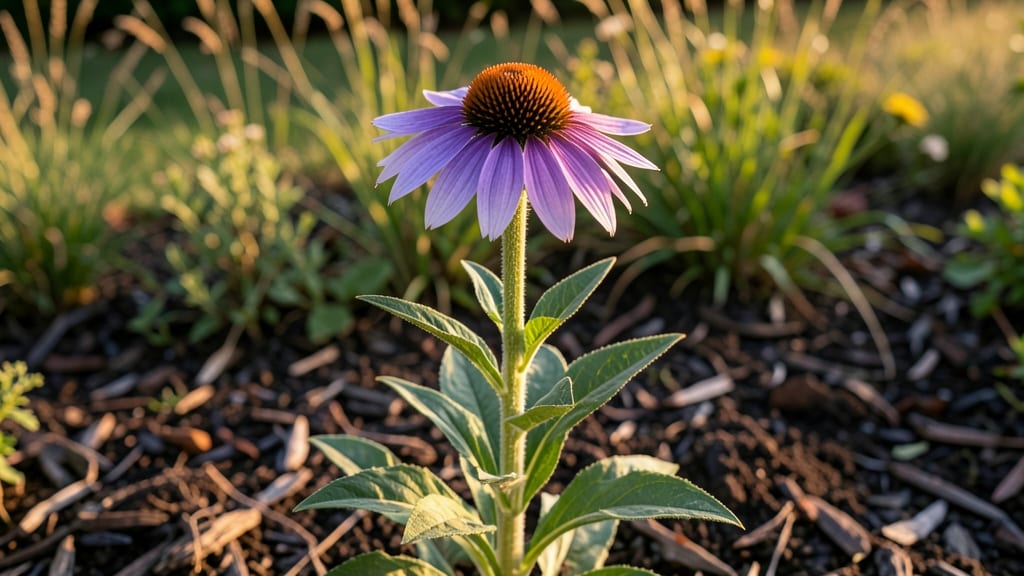
Growing purple coneflower means turning your garden into a buzzing, blooming pollinator paradise. 🌿 I planted mine three years ago, and now it’s the star of my late-summer garden—drought-resistant, effortless, and covered in butterflies and bees.
The secret isn’t complicated: full sun, well-draining soil, and a little patience for those striking purple blooms to take over. This plant thrives where others struggle—dry spells, poor soil, even rocky ground.
My first batch came from nursery starts, but I’ve since propagated new plants from seed, and they’ve spread happily. The key is spacing them 2-3 feet apart so they don’t crowd each other, and watering deeply but infrequently to encourage strong roots.
By midsummer, you’ll see those iconic cone-shaped blooms rise above the garden, swaying in the breeze. The flowers last months, and even after they fade, the seed heads provide winter interest for birds. It’s the kind of plant that makes gardening feel like a victory—low-maintenance and high-reward.
Perfect for borders, meadows, or even containers. Once established, it’s nearly indestructible, and the pollinators will thank you all season long. Let’s get those roots in the ground!
📚 In This Guide
- What you need
- Instructions
- Tips and common mistakes
- Wrapping up and next steps
What you need
- ● Purple coneflower plants: 1–3 nursery-grown plants (3–4" tall, 1–2 gallons per plant)
- ● OR seeds (100–200 seeds per pound, cold-stratified for best results)
- ● Soil: Well-draining, slightly acidic to neutral (pH 6.0–7.0), enriched with compost (1–2 bags of organic compost per 10 sq ft).
- ● Fertilizer: Balanced, slow-release granular fertilizer (10-10-10 or 5-10-10, 1–2 lbs per 100 sq ft).
- ● Mulch: Organic mulch (straw, wood chips, or shredded leaves, 2–3 inches deep).
- ● Garden tools: Trowel or hand shovel
- ● Garden fork (for loosening soil)
- ● Pruners (for trimming dead blooms)
- ● Watering: Watering can or hose with a gentle spray nozzle.
- ○ Optional but helpful: Garden gloves (to protect hands)
- ● Stakes or cages (for taller varieties, 3–4 ft stakes per plant)
- ● Plant markers (to label varieties)
- ● Sunlight: Full sun (6+ hours of direct sunlight daily).
- ● Spacing: 18–24 inches apart for single plants
- ● 12–18 inches apart for mass planting
- ● Climate: Hardy in USDA zones 3–9 (adjust watering in extreme heat/drought).
Step-by-step guide to planting purple coneflowers for a pollinator haven
Here's how to establish thriving purple coneflower plants that will attract bees, butterflies, and birds for years to come.
🌱 Step 1: Choose the Perfect Planting Location
Purple coneflowers (Echinacea purpurea) thrive in full sun to partial shade, with at least 6 hours of direct sunlight daily for optimal blooming. I always select a spot with well-draining soil—these plants hate soggy roots. If your soil is heavy clay, amend it with 2-3 inches of compost mixed into the top 12 inches of soil before planting.
The reason for this is simple: coneflowers develop deep taproots that need room to grow downward. Test your soil by digging a 6-inch hole—if water pools instead of draining within 15 minutes, you'll need to improve drainage. Raised beds work beautifully for heavy soils, giving roots the airy environment they crave.
🪴 Step 2: Plant at the Right Depth and Spacing
For 4 plants, dig 4 holes spaced 18-24 inches apart—this gives mature plants room to establish their root systems without competing. The hole should be just as deep as the root ball, but never deeper. Gently remove the plant from its container and loosen any circling roots with your fingers.
Place the plant in the hole so the top of the root ball sits level with the surrounding soil. Press the soil firmly around the roots to eliminate air pockets, then water deeply to settle everything. I like to use my fingers to create a small well around each plant—this helps direct water straight to the roots during the first few waterings.
☀️ Step 3: Water Deeply and Mulch for Retention
After planting, water each coneflower deeply until 6 inches of soil feels moist to the touch. You'll know you've done it right when water runs out the drainage holes if planted in containers, or when the top inch of soil looks uniformly damp. Purple coneflowers are drought-tolerant once established, but young plants need consistent moisture for their first 2-3 weeks.
Spread 2-3 inches of organic mulch (like shredded bark or straw) around each plant, keeping it 2 inches away from the stem to prevent rot. This mulch layer does three critical things: it retains moisture, regulates soil temperature, and suppresses weeds. Replenish the mulch annually in early spring to maintain its effectiveness.
✂️ Step 4: Deadhead and Prune for Continuous Blooms
To encourage year-round blooms, deadhead spent flower heads by cutting them back to the first set of healthy leaves in late summer or early fall. This prevents the plant from putting energy into seed production and redirects it toward new growth. I use clean, sharp pruners to make 45-degree cuts—this helps water bead off the leaves instead of sitting on them.
In early spring, trim back any dead or damaged stems to 2-3 inches above the ground. This pruning stimulates fresh, vigorous growth and keeps the plant looking tidy. Purple coneflowers are incredibly resilient, so don't worry if you miss a year of pruning—they'll still bloom, though they may be slightly less prolific.
🐝 Step 5: Maintain Soil Health for Long-Term Growth
Fertilize purple coneflowers lightly in early spring with a balanced, slow-release fertilizer (like 10-10-10) applied at half the recommended rate. These plants are not heavy feeders and can actually become leggy if over-fertilized. Instead, focus on soil health—add a 1-inch layer of compost around the base of each plant in early spring and again in early fall.
Watch for signs of stress like yellowing leaves or stunted growth—these often indicate nutrient deficiencies or pests. If you notice aphids or spider mites, spray the plants with a strong stream of water to dislodge them. For more severe infestations, use neem oil as a natural, plant-safe pesticide. Purple coneflowers are generally pest-resistant, but even the toughest plants need occasional check-ins.
Tips & tricks for thriving purple coneflowers
Here's what I've learned after years of growing these hardy perennials—little details that make all the difference in establishing a pollinator paradise.
Sunlight Strategy: While 6 hours of sunlight is the minimum, I've found that plants in full sun (8+ hours) develop sturdier stems and more vibrant blooms. If you're planting in partial shade, choose the sunniest spot available—even a few hours less can reduce flowering. Watch for leaves turning pale green in low-light areas; this is your plant's way of signaling it needs more sun.
Root Ball Technique: When removing plants from containers, I always run my fingers around the edges to loosen the root ball before gently squeezing the sides. This prevents roots from circling, which can strangle growth. For container-grown plants, gently tease apart any tightly packed roots—just enough to encourage outward growth. The goal is to mimic natural root spread without damaging delicate root tips.
Watering Wisdom: The 6-inch soil moisture test is crucial, but I've learned to go one step further: after watering, check the soil again after 15 minutes. If it's still damp at 6 inches, you've overwatered—purple coneflowers prefer their roots to dry slightly between waterings. For containers, I use the "finger test" by inserting my finger 2 inches deep—if it feels dry, it's time to water again.
Pruning Precision: Those 45-degree cuts during deadheading aren't just for aesthetics—they create a natural water-shedding surface that prevents fungal diseases. I always sterilize my pruners with rubbing alcohol between cuts to avoid spreading pathogens. For spring pruning, I wait until after the first flush of new growth appears, usually by mid-April in my climate zone. This timing ensures I don't cut back any emerging buds.
Pro Tips for Purple Cone Flower Plant
- Here's what I've learned after years of growing these hardy perennials—little details that make all the difference in establishing a pollinator paradise.
- Sunlight Strategy: While 6 hours of sunlight is the minimum, I've found that plants in full sun (8+ hours) develop sturdier stems and more vibrant blooms.
- Root Ball Technique: When removing plants from containers, I always run my fingers around the edges to loosen the root ball before gently squeezing the sides.
Frequently asked questions
Got questions about growing and caring for purple cone flowers (Echinacea purpurea)? You’re not alone! Here are some of the most common queries—plus straightforward answers to help your garden thrive.
When is the best time to plant purple cone flowers?
Plant them in early spring or fall for optimal root establishment. If planting in summer, water deeply and mulch to reduce stress. Purple cone flowers are hardy and adaptable, so they’ll reward patience with years of blooms!
How often should I water purple cone flowers?
Water 1–2 times per week during the first growing season to encourage deep roots. Once established, they’re drought-tolerant—water only during prolonged dry spells. Overwatering can lead to root rot, so let the soil dry slightly between waterings.
Why aren’t my purple cone flowers attracting pollinators?
Check for these fixes:
- Deadhead spent blooms to encourage new flowers.
- Ensure they’re in full sun (6+ hours/day)—pollinators love bright, open spaces.
- Plant near other pollinator-friendly flowers (like milkweed or black-eyed Susans) to create a "buffet."
Can I grow purple cone flowers in containers?
Yes! Use a large pot (12+ inches deep) with well-draining soil and a mix of compost. Choose a dwarf variety (like ‘Whitewell Purple’) for smaller spaces. Place containers in full sun and water consistently until roots fill the pot.
Do purple cone flowers survive winter?
They’re perennial and thrive in USDA zones 3–9. Cut back foliage to 3–4 inches tall in late winter to protect emerging shoots. Mulch lightly (2–3 inches) around the base to insulate roots during harsh freezes.
What can I plant alongside purple cone flowers?
Pair them with companion plants that share similar care needs:
- Grasses (like switchgrass) for texture.
- Rudbeckia (black-eyed Susans) for continuous color.
- Salvia to attract hummingbirds.
- Ornamental onions for early-season blooms.
Wrapping up and next steps
The purple cone flower isn’t just a stunning addition to your garden—it’s a pollinator powerhouse that thrives with minimal fuss! 🌸 With its drought tolerance, long bloom season, and wildlife benefits, this plant proves that beauty and functionality go hand in hand.
Whether you’re a seasoned gardener or just starting, adding one (or a dozen!) to your landscape is a win-win for you and the bees.
Ready to take the next step? Start by picking a sunny spot in your yard, grab those seeds or seedlings, and let nature do the rest. Your garden—and the local pollinators—will thank you!