
Planting
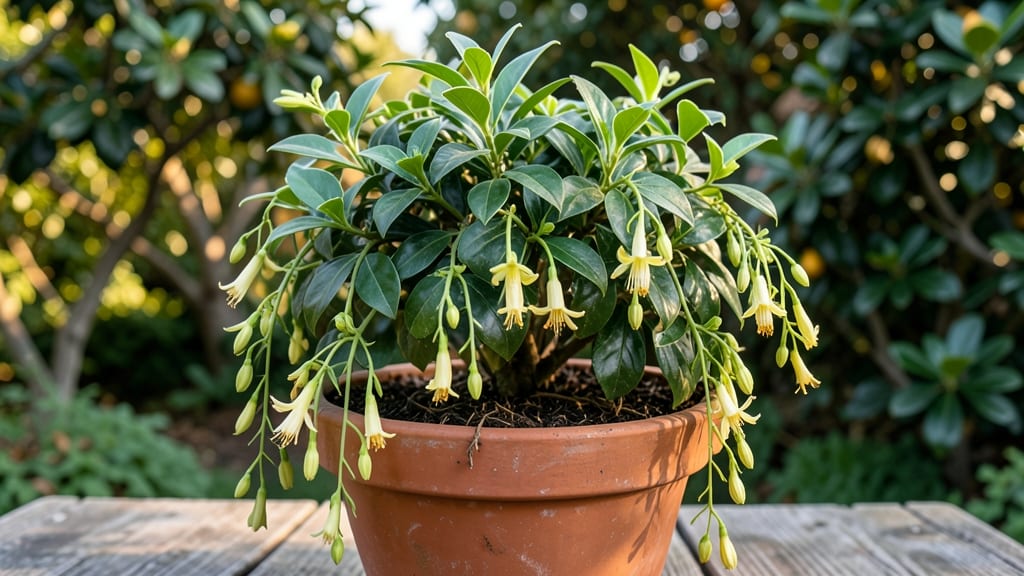
Your garden could be a scented sanctuary where a touch of fragrance plant magic turns every breeze into a whisper of sweetness. ✨ The secret lies in blending fragrant plants that bloom at different times—jasmine in spring, gardenia in summer, and winter daphne when frost paints the leaves gold.
I’ve designed pathways where the fragrance builds as you walk, creating a sensory journey that’s as memorable as the colors.
Start with three high-impact plants: jasmine for its intoxicating evening scent, lavender for its calming daytime aroma, and roses for their classic romance. Mix them with foliage like lemon verbena or mint to layer textures and scents—your garden will feel like a living perfume bottle.
Containers work too: a single gardenia in a terracotta pot becomes a centerpiece that fills a patio with tropical sweetness.
Imagine stepping into your garden at dusk and being wrapped in jasmine’s velvety perfume, or brushing past roses in the morning and feeling their dew-kissed petals release their secrets.
The key is strategic placement: near seating areas, entryways, or along walkways where the fragrance lingers. Even in winter, winter jasmine or sweet box will keep the magic alive.
This isn’t just about pretty flowers—it’s about creating moments. A garden that smells as good as it looks transforms ordinary days into little escapes. Let’s design yours so every visit feels like a gift.
📚 In This Guide
- What you need
- Instructions
- Tips and common mistakes
- Wrapping up and next steps
What you need
- ● Touch of Fragrance Plant Seeds or Saplings: 3–5 plants (for a small garden bed or container)
- ● 10+ plants (for a full garden border or larger space)
- ● Well-Draining Potting Mix: 2–3 bags (1 cubic foot each) for in-ground planting
- ● 1–2 bags (1 cubic foot each) for container gardening (mix with perlite or sand for aeration)
- ○ Containers (Optional for In-Ground Planting): 5–10 gallon pots (if starting indoors or in containers)
- ● Fertilizer: Balanced, slow-release fertilizer (10-10-10 or 20-20-20 ratio)
- ● 1–2 tablespoons per plant at planting time
- ● Watering Can or Hose: With a gentle spray nozzle for even moisture
- ● Gloves & Pruning Shears: For handling plants and trimming (sterilize with rubbing alcohol)
- ● Mulch: Shredded bark or straw to retain moisture and suppress weeds.
- ● Epsom Salt: 1 tablespoon per plant monthly for magnesium boost (enhances fragrance!).
- ● Decorative Stones or Gravel: For a polished, low-maintenance look around plants.
- ● Fragrance-Enhancing Spray: Light citrus or lavender mist to amplify scent (DIY with water + a few drops of essential oil).
- ● Garden Stakes or Trellis: If your variety grows tall (e.g., Touch of Fragrance climbers).
Step-by-step guide to cultivating a Touch of fragrance plant
Transform your garden into a fragrant sanctuary with this lush, aromatic beauty that thrives year-round.
🌱 Step 1: Select the Perfect Location and Soil
Choose a spot that receives 4-6 hours of morning sun and afternoon shade—this plant adores dappled light that prevents leaf scorch while maintaining vibrant blooms. I always test the soil first by squeezing a handful; if it crumbles easily, it’s ready. If it stays clumped, amend with 2-3 inches of compost to loosen the texture and improve drainage.
The ideal soil mix should be well-draining yet moisture-retentive, with a pH between 6.0 and 7.0. If your soil leans acidic, work in 1 cup of crushed limestone per square foot to balance it. This plant’s roots thrive when they’re cozy but never soggy—think of it like a spa day for your fragrance queen.
🪴 Step 2: Plant with Care and Proper Spacing
Dig a hole twice as wide as the plant’s root ball but only as deep as the container it came in. Gently loosen the roots if they’re circling tightly—this encourages outward growth instead of strangling itself. Place the plant in the hole and fill around it with the amended soil, pressing lightly to eliminate air pockets.
Space plants 18-24 inches apart to allow airflow and prevent fungal issues. I like to water deeply right after planting to settle the soil and help roots establish contact. You’ll know it’s happy when the leaves perk up within 24 hours—that’s your first sign of success.
☀️ Step 3: Water and Fertilize for Continuous Blooms
Water deeply once a week during the growing season, aiming for 1-1.5 inches of moisture per week. Let the top 2 inches of soil dry out between waterings—this prevents root rot while keeping the plant hydrated. In containers, check soil moisture daily; they dry out faster in hot weather.
Feed with a balanced, slow-release fertilizer (10-10-10) at half-strength every 4-6 weeks during spring and summer. I swear by a monthly foliar spray of fish emulsion in late summer to boost fragrance and flower production. Avoid heavy fertilizers in fall—they encourage tender new growth that won’t survive winter.
✂️ Step 4: Prune and Maintain for Year-Round Drama
Deadhead spent blooms weekly to encourage more flowers and prevent seed formation. I use clean, sharp pruners and make cuts just above a set of leaves or bud. This plant rewards pruning with bushier growth and stronger fragrance—think of it as a spa treatment for your plant.
In late winter, prune back one-third of the plant’s height to shape it and remove any dead or crossing branches. This stimulates fresh, fragrant growth in spring. If you notice yellowing leaves, it’s usually a sign of overwatering—let the soil dry out more between waterings and trim the affected foliage to redirect energy.
⏰ Step 5: Protect and Enjoy Year-Round Beauty
In colder climates, mulch the base with 2-3 inches of organic mulch (like shredded bark) to insulate roots. This plant tolerates light frost, but a thick layer of mulch prevents temperature swings that can stress the plant. I also move container-grown plants to a sheltered spot if freezing temps are forecasted.
Harvest flowers in the morning when their scent is strongest. Strip petals and dry them between pages of a book or in a dark, airy space. The dried petals make stunning potpourri or sachets—just add a pinch of lavender for extra aroma. With proper care, your Touch of Fragrance plant will reward you with scented blooms from spring through fall, and even a hint of winter fragrance if protected well.
Tips & tricks for perfect Touch of fragrance plant cultivation
Took me years to perfect these little details that make all the difference between a struggling plant and a fragrant garden centerpiece.
Lighting Precision: That 4-6 hours of morning sun is non-negotiable—this plant thrives on gentle sunlight that prevents leaf burn. I've learned to position it where the afternoon shade naturally filters through trees or a sheer curtain. If you notice yellowing leaves, it's often a sign of too much direct afternoon sun, which can scorch the delicate foliage.
Soil Test Hack: Before amending your soil, do this quick test: squeeze a handful—if it crumbles easily, it's ready. If it stays clumped, that's your sign to add the 2-3 inches of compost as directed. I've found adding a handful of perlite to the compost mix helps maintain that perfect drainage while retaining moisture, which this plant absolutely adores.
Root Care Secret: When loosening those circling roots in Step 2, don't be shy—use your fingers to gently tease them apart. I've seen plants struggle when roots remain tightly bound, which restricts their ability to absorb nutrients. This simple step encourages outward growth and establishes a stronger root system that supports those fragrant blooms for years to come.
Pro Tips for Touch Of Fragrance Plant
- Took me years to perfect these little details that make all the difference between a struggling plant and a fragrant ...
- Lighting Precision: That 4-6 hours of morning sun is non-negotiable—this plant thrives on gentle sunlight that preven...
- Soil Test Hack: Before amending your soil, do this quick test: squeeze a handful—if it crumbles easily, it's ready. I...
Frequently asked questions
How fast does the Touch of Fragrance plant grow?
The Touch of Fragrance (Polianthes tuberosa) is a moderate grower. Under ideal conditions—full sun, well-draining soil, and consistent moisture—it can reach 12–18 inches tall in 6–8 weeks from planting. Blooms typically appear 8–12 weeks after planting, with clusters of fragrant white flowers lasting weeks if deadheaded regularly.
When is the best time to plant Touch of Fragrance?
For outdoor planting, aim for spring (after the last frost) or early fall (4–6 weeks before the first frost). In warmer climates (Zones 8–11), you can plant year-round. If starting from bulbs, soak them for 24 hours before planting to encourage faster growth. Pro tip: Plant bulbs 2–3 inches deep and 4 inches apart for optimal airflow and fragrance.
How often should I water Touch of Fragrance?
Keep the soil evenly moist but not soggy. Water 1–2 times per week during active growth (spring/summer), reducing to once every 10–14 days in fall/winter. Overwatering can cause bulb rot, while underwatering may stunt blooms. Mulch lightly to retain moisture—just avoid piling it against the stems. Signs of stress: Wilting leaves or yellowing foliage.
Can I grow Touch of Fragrance in containers?
This plant thrives in containers at least 12 inches deep with drainage holes. Use a well-draining potting mix (add perlite or sand for extra aeration) and a pot 1–2 sizes larger than the bulb cluster. Place in a sunny spot (6+ hours of light) and water consistently. Bonus: Containers make it easy to move the plant indoors if frost threatens!
What pests or diseases should I watch for?
Touch of Fragrance is generally pest-resistant, but keep an eye out for:
- Aphids: Tiny green/black bugs on new growth. Blast off with water or use insecticidal soap.
- Fungal diseases (like gray mold): Caused by overwatering. Improve airflow and avoid wetting foliage.
- Root rot: Yellowing leaves + mushy bulbs? Reduce watering and repot in fresh, dry soil.
Prevention tip: Space plants 6+ inches apart and remove spent blooms to deter pests.
Why isn’t my Touch of Fragrance blooming?
No flowers? Check these common culprits:
- Insufficient sunlight: Needs full sun (6+ hours/day).
- Over/under-watering: Bulbs need consistent moisture but hate soggy soil.
- Old bulbs: Dig up and divide bulbs every 2–3 years for fresh growth.
- Temperature stress: Too hot/cold can delay blooms. Ideal range: 60–80°F.
If the issue persists, try fertilizing lightly with a balanced bloom booster (10-10-10) when new growth appears in spring.
Wrapping up and next steps
Bringing the touch of fragrance plant into your garden isn’t just about beauty—it’s about crafting a sensory escape that blooms year-round! These aromatic stars transform any space into a living perfume, offering low-maintenance elegance and a burst of joy with every whiff.
Whether you’re a seasoned gardener or just starting, this plant is your ticket to effortless charm.
Ready to dive in? Start small—pick one variety to test the waters, and let your green thumb guide the rest! 🌿✨ Grab your tools and turn your garden into a fragrant masterpiece today.