
Planting
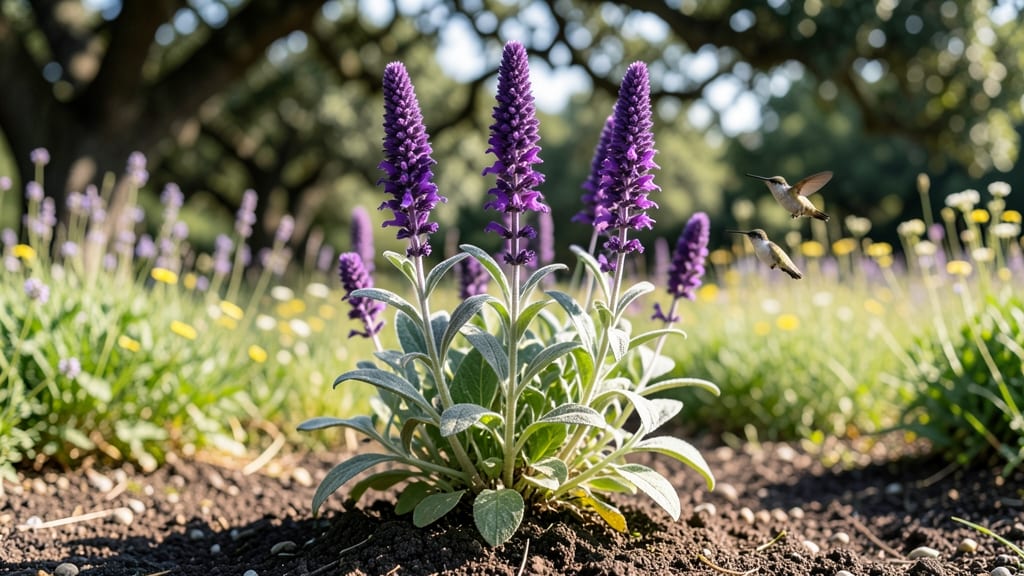
Your garden just got a showstopper with the purple-flowering herb plant that tastes as good as it looks. 🌿 These aren’t just pretty—they’re culinary and medicinal powerhouses, from fragrant lavender to peppery borage, that thrive with surprisingly little fuss.
I’ve grown them for years, and the secret isn’t complicated: the right soil, a sunny spot, and a light touch with water.
Start with well-draining soil mixed with compost—these herbs hate soggy roots. Most need 6+ hours of sun daily, though some tolerate partial shade. Lavender loves dry conditions, while purple basil thrives with consistent moisture.
Propagate from cuttings or seeds, and you’ll see blooms in as little as 8 weeks with proper care.
Harvest flowers before they fully open for peak flavor, and pinch back stems to encourage bushier growth. The purple blooms attract pollinators while repelling pests, so you’ll get a double benefit. Dried or fresh, these herbs elevate dishes and teas with their vibrant color and unique flavors.
Perfect for borders, containers, or culinary gardens—these purple beauties are versatile, hardy, and impossible to resist. Whether you’re a beginner or seasoned gardener, they’ll reward you with season-long color and harvests that impress everyone who sees (and tastes) them.
📚 In This Guide
- What you need
- Instructions
- Tips and common mistakes
- Wrapping up and next steps
What you need
- ● Seeds or seedlings: Choose a purple-flowering herb like lavender (e.g., Lavandula angustifolia), borage (Borago officinalis), or purple basil (Ocimum basilicum 'Purple Ruffles'). Buy from a reputable nursery or online seed supplier.
- ● Well-draining potting soil: 5–10 lbs of high-quality, organic potting mix (e.g., Miracle-Gro Potting Mix or a blend with perlite/vermiculite). Avoid garden soil unless amended for herbs.
- ● Containers or garden bed: For containers: 5–12" diameter pots with drainage holes (1 plant per 6" pot for lavender; larger for borage).
- ● For garden beds: Full sun (6+ hours/day) and loose, rocky soil (lavender thrives in poor soil; borage is hardier).
- ○ Fertilizer (optional but helpful): Balanced liquid fertilizer (e.g., Fish Emulsion 5-1-1) for seedlings.
- ● Slow-release granular fertilizer (e.g., Osmocote Smart-Release) for established plants.
- ○ Basic gardening tools: Trowel, pruning shears, and gloves (optional but recommended).
- ● Watering can or hose: With a gentle spray nozzle to avoid disturbing soil.
- ○ Mulch (optional): 1–2 inches of straw or gravel to retain moisture and deter weeds.
- ● Sunlight access: Confirm your growing spot gets the required light (most purple herbs love full sun).
- ● Patience! 🌱 Herbs like lavender take 6–12 months to mature fully.
Step-by-step guide to growing a thriving purple flower herb plant
This isn’t just any herb—it’s a dual-purpose powerhouse with edible blooms and medicinal properties.
🌱 Step 1: Select the Right Herb Variety for Purple Flowers
Start with borage, lavender, or purple basil—each brings unique flavors and colors to your garden. Borage’s star-shaped flowers are cucumber-scented, lavender offers calming properties, and purple basil adds a visual pop while enhancing dishes. Check seed packets for full sun requirements; most need 6+ hours daily.
If growing from seed, start indoors 8-10 weeks before last frost for a head start. Use biodegradable pots to avoid root disturbance later. I’ve found that purple basil germinates fastest in 70-75°F soil, so a seedling heat mat helps if your home runs cooler.
☀️ Step 2: Prepare Soil and Plant for Optimal Growth
Choose a well-draining spot—these herbs hate soggy roots. Amend garden beds with compost to improve fertility, and mix in perlite for aeration. Purple-flowering herbs thrive in slightly alkaline soil (pH 6.5-7.5), so test your soil first. If it’s too acidic, add crushed limestone.
Plant seeds ¼ inch deep or transplants 12-18 inches apart (closer for lavender). Water deeply after planting, then let the soil dry slightly between waterings. Overwatering causes root rot, especially in humid climates. You’ll know moisture is right when the top inch feels dry to the touch.
💧 Step 3: Maintain Light, Water, and Pruning for Continuous Blooms
Move plants to bright, indirect light indoors or a south-facing window if growing in containers. Outdoors, supplement with a grow light if flowering slows—herbs need 14-16 hours of light daily for consistent blooms. Watch for leggy growth; this means your light source is too far away.
Prune regularly to encourage bushier growth and more flowers. Pinch back new growth tips when plants reach 6 inches tall, and harvest flowers as they open. For lavender, trim back ⅓ of the plant after flowering to maintain shape. Never cut into woody stems—focus on soft, green growth.
✂️ Step 4: Harvest and Preserve for Culinary and Medicinal Use
Harvest flowers in the morning after dew dries but before 10 AM heat sets in. Use clean scissors to snip stems just above a leaf node. Borage and basil flowers are best fresh, while lavender dries beautifully for sachets or tea blends. Hang bundles upside down in a dark, dry place for 2-3 weeks until fully crisp.
For culinary use, add flowers to salads, desserts, or infusions. Lavender pairs well with honey, while borage’s cucumber notes brighten cocktails. Store dried flowers in airtight containers away from light to preserve potency. You’ll notice the aroma intensifies after drying—this is your cue it’s ready for use.
Tips & tricks for thriving purple flower herb plants
Between us, these vibrant herbs are easier to grow than you think—but a few key tricks will turn your garden into a purple paradise. Here’s what nobody tells you about keeping them lush and blooming.
Variety-Specific Care: Purple basil thrives in warmer climates and needs consistent moisture, while lavender demands well-draining soil and drought tolerance. Borage, the hardiest of the three, tolerates poor soil but may bolt quickly in hot weather. I’ve found that lavender and borage handle neglect better than basil, which wilts dramatically if underwatered.
Lighting Strategy: The 14-16 hours of daily light requirement isn’t just about sunlight—it’s about consistency. If growing indoors, use a grow light on a timer to mimic natural daylight cycles. I position mine 6-12 inches above plants and run them for 16 hours daily. For outdoor containers, rotate pots weekly to ensure even exposure all around.
Soil Science: That pH 6.5-7.5 range isn’t arbitrary—purple-flowering herbs actually uptake nutrients more efficiently in slightly alkaline conditions. I test my soil annually and add crushed limestone if readings dip below 6.5. For container gardens, mix in 20% perlite to prevent compaction, which can suffocate roots in heavy soils.
Pruning Precision: When you pinch back those new growth tips at 6 inches tall, you’re not just shaping the plant—you’re encouraging bushier growth and more flowers. For lavender specifically, I trim back ⅓ of the plant after flowering using clean, sharp shears. This prevents woody growth and keeps the plant compact. Always cut just above a leaf node to promote new shoots.
Pro Tips for Purple Flower Herb Plant
- Between us, these vibrant herbs are easier to grow than you think—but a few key tricks will turn your garden into a p...
- Variety-Specific Care: Purple basil thrives in warmer climates and needs consistent moisture, while lavender demands ...
- Lighting Strategy: The 14-16 hours of daily light requirement isn’t just about sunlight—it’s about consistency. If gr...
Frequently asked questions
Got questions about growing and using purple flower herb plants?
You’re not alone! Here are some of the most common queries—and their answers—to help you cultivate and enjoy this vibrant herb with confidence.
What’s the easiest way to grow purple flower herbs like borage or echinacea?
Start with seeds or young plants in well-draining soil with full sun. Borage thrives in any soil, while echinacea prefers slightly acidic conditions. Water moderately—avoid soggy roots! For a head start, try container gardening if space is limited.
How long does it take for purple flower herbs to bloom?
Timing varies by type: borage blooms in 6–8 weeks from seed, while echinacea may take 8–12 weeks. Deadhead spent flowers to encourage more blooms. Pro tip: Plant seeds early in spring for a summer-long display!
Can I use purple flower herbs in cooking, or are they just for decoration?
Borage’s flowers add a cucumber-like flavor to salads, while echinacea’s roots (dried) are brewed into tea. Safety note: Avoid echinacea if pregnant or allergic to daisies. Always harvest sustainably—never overpick!
Are purple flower herbs safe for bees and pollinators?
Yes! Both borage and echinacea are bee magnets—their bright blooms attract pollinators all season. Plant them near veggies to boost your garden’s biodiversity. Bonus: Borage’s flowers even repel pests like tomato hornworms!
What should I do if my purple flower herbs develop brown spots?
Brown spots often signal fungal issues (like powdery mildew) or overwatering. Improve airflow, water at the base, and remove affected leaves. For prevention, mulch around plants and avoid wetting foliage. Organic fix: Spray with neem oil if needed.
Wrapping up and next steps
From its stunning purple blooms to its versatile uses in the kitchen and medicine cabinet, the purple flower herb plant is a true garden gem!
Whether you’re drawn to its aesthetic beauty, culinary potential, or healing properties, this plant proves that nature’s bounty is just a few seeds away. 🌿✨
Ready to bring this vibrant herb into your life? Start small—plant a few seeds or a starter plant, and let your green thumb grow! With the right care, you’ll soon be harvesting fresh leaves, savoring delicious dishes, and reaping the rewards of this multi-purpose powerhouse.
Now, grab your gardening gloves and get growing—your garden (and taste buds!) will thank you. 🌱💜