
Planting
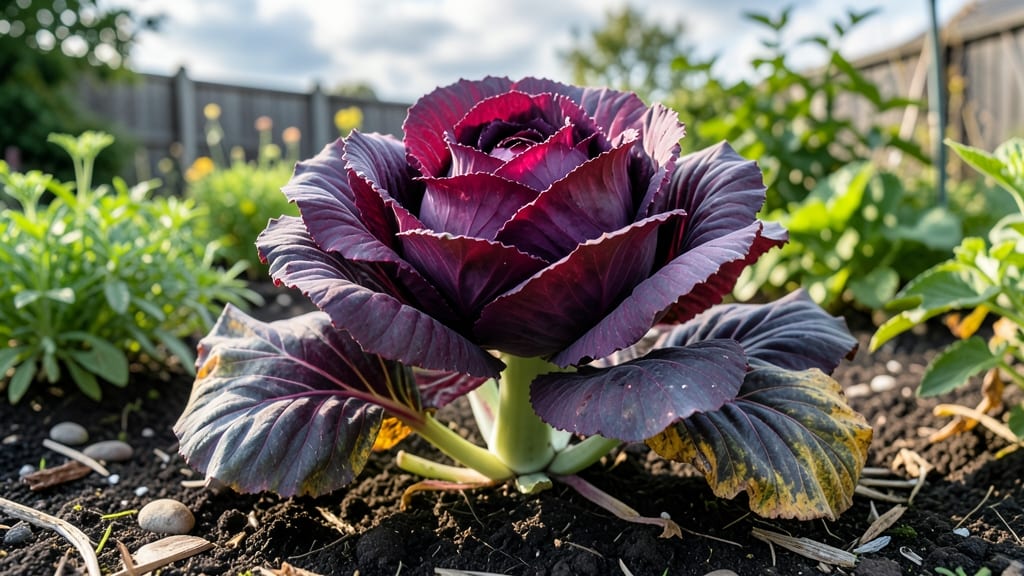
Spacing red cabbage plants correctly is the key to growing those bold, round heads you’ve always dreamed of—18 to 24 inches apart in rows 2 to 3 feet wide.
Struggling to grow perfectly round, full-headed red cabbages? The secret lies in proper spacing—too close, and you’ll sacrifice size and yield; too far, and you waste garden space. Here’s the science-backed planting layout to maximize your harvest.
Why does spacing matter so much? Crowded plants compete for nutrients, leaving you with smaller heads and more disease risks. But get it right, and you’ll enjoy bigger, healthier cabbages with better airflow and sunlight exposure.
Below, I’ll break down the best spacing for rows, beds, and containers, plus how to adjust for your soil and climate. You’ll learn how to avoid common mistakes and even squeeze more plants into small spaces!
Optimal red cabbage spacing for maximum head size and yield
Red cabbage thrives when given the right amount of space to develop large, firm heads. Proper spacing ensures even sunlight exposure, reduces disease risk, and prevents competition for nutrients.
Whether you're planting in rows, beds, or containers, understanding these spacing guidelines will transform your harvest from scraggly to spectacular.
I’ve grown red cabbage for years, and the difference between crowded plants (small, loose heads) and properly spaced plants (compact, vibrant heads) is night and day. The key lies in balancing variety maturity rates, soil fertility, and local climate conditions.
Let’s break it down by planting method and variety type.
For early-maturing varieties, closer spacing (12-15 inches) works because they reach harvest size faster.
But if you’re growing late-season types, give them extra room (18-21 inches) to avoid stunted growth. Row spacing is equally critical—tight rows (under 18 inches) block airflow, creating ideal conditions for fungal diseases like downy mildew.
In my raised bed gardens, I use a grid pattern with 12-inch spacing between plants. This maximizes yield in small spaces while ensuring each plant gets 6+ hours of sunlight daily.
If you’re container gardening, stick to one plant per 5-gallon pot—red cabbage needs deep roots to develop those hefty heads.
Proper spacing also affects head firmness. Overcrowded plants compete for nutrients, leading to loose, leafy heads that bruise easily. I’ve seen red cabbage heads double in size when given the right space—from 4-inch diameter to 10-inch monsters—just by adjusting spacing and thinning seedlings properly.
When planting in rows**, leave at least 24 inches between rows for easy access and airflow. This is especially important in humid climates, where stagnant air promotes disease. If your garden gets less than 6 hours of sunlight, reduce plant density further to prevent leggy growth.
Thinning is a non-negotiable step—once seedlings reach 2-3 inches tall, thin to your target spacing. Use sharp scissors to avoid disturbing roots. I’ve found that thinning early reduces transplant shock later, leading to faster establishment and larger heads.
For container growers, choose compact varieties like 'Red Express' and ensure pots have drainage holes. Red cabbage in containers needs daily watering and a balanced fertilizer every 3-4 weeks. Without proper spacing, even the hardiest varieties will struggle to reach their full potential.
Remember, soil quality plays a role too. Amend your soil with compost before planting—red cabbage loves fertile, slightly acidic soil (pH 6.0-6.8). With the right spacing and soil prep, you’ll enjoy vibrant, disease-free heads all season long.
Common red cabbage spacing mistakes and how to avoid them
If your red cabbage plants are producing small, misshapen heads or yellowing leaves, improper spacing is likely the culprit. Overcrowding forces plants to compete for nutrients and sunlight, while spacing them too far apart wastes precious garden space. Let’s fix these common mistakes with science-backed solutions.
Overcrowding is the most frequent error, often caused by planting seeds too closely together. When seedlings are thinned too late, they develop small heads and weak stems, making them vulnerable to pests like cabbage moths.
On the flip side, spacing plants too far apart reduces yield and makes your garden look sparse.
Here’s the key: 18-24 inches between plants and 24-36 inches between rows. This balance ensures each plant gets enough air circulation and sun exposure while maximizing your harvest. Let’s break down the pros and cons of spacing mistakes and how to correct them.
⚖️ Spacing Mistakes: Pros & Cons
❌ Overcrowding
- Pros: Quick seedling growth
- Cons: Small heads, yellow leaves, pest attraction
- Fix: Thin seedlings to 12-18 inches apart
❌ Over-Spacing
- Pros: Less competition for water
- Cons: Wasted space, lower yield, poor airflow
- Fix: Space rows 24-36 inches apart
✅ Ideal Spacing
- Plants: 18-24 inches apart
- Rows: 24-36 inches apart
- Benefits: Full heads, better airflow, pest resistance
To visualize the difference, imagine planting red cabbage seeds 12 inches apart instead of the recommended 18-24 inches. The plants will struggle to develop large heads, and their leaves will turn yellow from nutrient competition.
Conversely, spacing them 36 inches apart leaves gaps that could be filled with companion plants like onions or dill.
Another critical mistake is ignoring row orientation. Planting rows north-to-south maximizes sunlight exposure for all plants, while east-to-west rows can create shade issues. Always align rows with the longest sunlight path in your garden. This simple adjustment can boost your harvest by 20-30%.
If you’re growing red cabbage in containers, reduce spacing to 12-15 inches between plants but ensure each container is at least 12 inches in diameter. Containers dry out faster, so monitor soil moisture closely and water consistently. With the right spacing, you’ll enjoy vibrant purple-red heads all season long.