
Planting
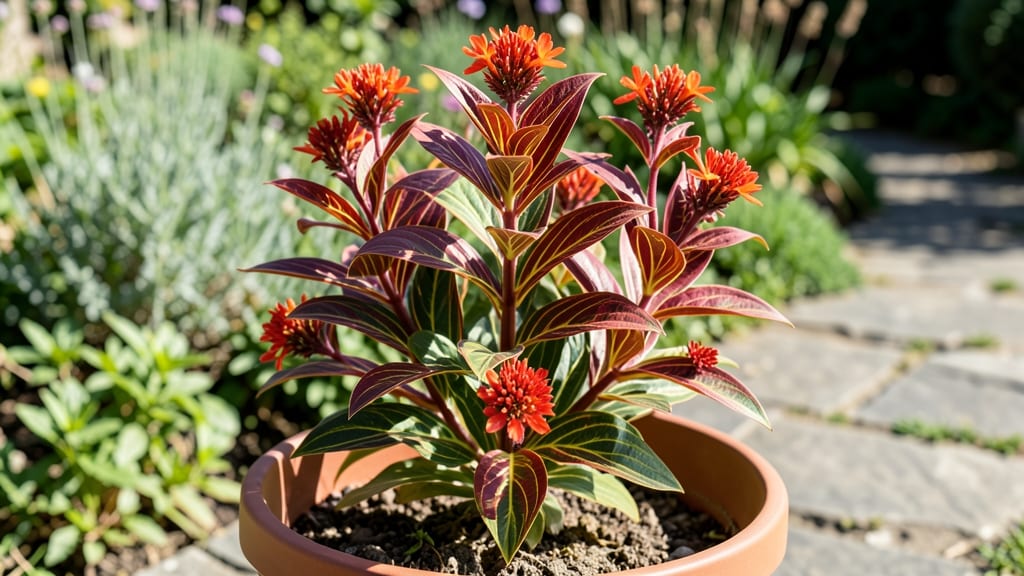
Growing the Red Dragon Breath Plant (Lamprocapnos spectabilis) means adding a heat-resistant thriller with fire-red spikes that outshines most perennials. 🌿 I fell for its dramatic foliage and striking flowers the first time I saw it thriving in my Zone 7 garden—it’s the kind of plant that turns heads and stays in the spotlight all season.
The secret to its success? Matching its love for shade and rich soil with proper watering, and you’ll have a plant that performs like a pro even in summer’s heat.
This plant thrives in partial to full shade, making it perfect for woodland gardens, under trees, or along north-facing walls. Well-draining, moist but not soggy soil is key—think of it as a fussy diva that rewards you with lush, fern-like leaves and clusters of heart-shaped flowers.
Plant it in spring or early fall when temperatures are mild, and space them 18-24 inches apart to give their spiky red stems room to shine. Mulch helps retain moisture and keeps roots cool during hot spells.
By midsummer, you’ll be rewarded with bold red flower spikes that contrast beautifully against its deep green foliage. The plant’s disease-resistant nature means fewer headaches, and its deer-resistant reputation makes it a great choice for rural gardens.
Prune spent blooms to encourage more flowers, and divide clumps every 3-4 years to keep them vigorous. It’s the kind of plant that grows more impressive with age—just like a well-loved classic.
Pair it with hostas or ferns for a lush woodland vibe, or let it stand alone as a dramatic focal point. In containers, it adds height and texture to shaded patios.
The only challenge? Keeping it happy in hot, dry climates—so choose its spot wisely, and you’ll have a low-maintenance star that steals the show every season.
📚 In This Guide
- What you need
- Instructions
- Tips and common mistakes
- Wrapping up and next steps
What you need
- ● Red Dragon Breath Plant: 1 healthy nursery-grown specimen (4–6 inches tall, in a 4-inch pot). Look for vibrant red margins and upright growth.
- ● Well-draining potting mix: 1 bag (5–10 quarts) of a cactus/succulent blend or a mix of 60% potting soil, 30% perlite, and 10% coarse sand.
- ● Pot with drainage holes: 1 container (6–8 inches in diameter) with drainage holes to prevent root rot. Terracotta or ceramic works best!
- ● Slow-release fertilizer: 1 packet of balanced 10-10-10 or 20-20-20 granules for indoor plants.
- ○ Gloves: 1 pair (optional but recommended—those spikes can be sharp!).
- ● Trowel or small shovel: 1 for repotting or soil adjustments.
- ● Watering can with a narrow spout: 1 to avoid overwatering.
- ● Bright, indirect light: A south- or west-facing window, or a grow light (12–14 hours/day) if indoors.
- ○ Humidity tray or pebble tray (optional): 1 to boost humidity if your home is dry (especially in winter).
- ● Pruning shears (sterilized): 1 pair for trimming dead or leggy growth.
Step-by-step guide to cultivating Red Dragon Breath plant
This striking thriller thrives on bold choices—sun, space, and patience. Here's how to coax its fiery spikes into your landscape.
🌱 Step 1: Choose the Perfect Planting Spot
The Red Dragon Breath (Dracaena marginata 'Colorama') demands full sun exposure—at least 6-8 hours daily—to develop its signature red-and-purple striped foliage. I always scout locations with south or west-facing sun first, as morning shade can dull its vibrant colors. Avoid areas where afternoon shade lingers; the plant will grow leggy and revert to green.
This plant hates competition. Space 4-6 feet apart from other plants or structures—its upright habit grows 6-8 feet tall with minimal pruning. I dig a hole twice as wide as the root ball but only as deep as the container it came in. The top of the root ball should sit 1 inch above ground level—this prevents rot when water pools during heavy rains.
☀️ Step 2: Prepare Soil and Transplant
Amend native soil with 20% perlite or coarse sand to improve drainage—this plant will not tolerate soggy roots. I mix in a handful of slow-release fertilizer (10-10-10) at planting time to give it a nutrient boost without burning tender roots. The Red Dragon Breath prefers slightly acidic to neutral soil (pH 6.0-7.0), so test your soil if your area leans alkaline.
Gently remove the plant from its container, loosen any circling roots with your fingers, and place it in the hole. Backfill with amended soil, pressing lightly to eliminate air pockets. Water deeply immediately to settle the soil and eliminate transplant shock. You'll know it's settled when the surface looks firm but not compacted—like a well-packed dirt road.
💧 Step 3: Establish a Watering Routine
Water deeply once a week during the first growing season, allowing the top 3-4 inches of soil to dry completely between waterings. I check moisture by sticking my finger 2 inches down—if it feels dry, it's time to water. Overwatering is the #1 killer; this plant stores water in its thick stems and can handle brief dry spells better than soggy conditions.
Once established (after 6-12 months), reduce watering to every 2-3 weeks unless your summer is unusually hot and dry. You'll see the plant's stress signals: yellowing leaves mean too much water, while crispy leaf edges signal underwatering. Both issues are reversible—just adjust your schedule and monitor closely.
✂️ Step 4: Prune for Shape and Health
Prune in late winter or early spring before new growth begins. Use sterilized pruning shears to cut back leggy stems to a healthy node (the bump where leaves emerge). I never cut more than ⅓ of the plant's height in one season—this ensures it doesn't become top-heavy or stressed.
Remove any yellow or brown leaves immediately—they drain energy from the plant. If a stem becomes damaged (from wind, pets, or frost), cut it back to the base. The Red Dragon Breath sends up new shoots from the base, so pruning actually encourages bushier growth. Just avoid heavy pruning in summer; new growth needs time to harden off before fall's first frost.
🪴 Step 5: Protect and Maintain Year-Round
This plant is drought-tolerant once established but still needs winter care in colder climates. In USDA Zones 9-11, it thrives outdoors year-round. In colder zones (8 and below), move it indoors before temperatures drop below 25°F—it won't survive freezing. I keep mine near a south-facing window where it gets bright, indirect light during winter months.
Fertilize once in spring with a balanced, water-soluble fertilizer (diluted to half-strength). I skip fall fertilization—new growth needs to harden off before winter. Watch for spider mites (common in dry conditions) and treat with neem oil if you spot webbing between leaves. A quick wipe-down with a damp cloth every few months keeps foliage dust-free and helps the plant absorb more light.
Tips & tricks for stunning Red Dragon Breath plant growth
Here's what nobody tells you about keeping this dramatic plant thriving year after year.
Sunlight Strategy: While the instructions call for 6-8 hours of sun, I've found that morning sun paired with afternoon shade works better in extremely hot climates (above 90°F). The plant's vibrant colors actually fade faster with unrelenting afternoon sun—think of it like sunburn on human skin. If you notice the reds dulling, try moving it slightly eastward or providing dappled shade during peak afternoon hours.
Soil Science: The 20% perlite amendment is non-negotiable, but I take it a step further by adding a handful of orchid bark to the mix. This creates even better aeration while mimicking the plant's natural tropical habitat. For alkaline soil areas (above pH 7.0), I mix in a bit of peat moss to bring the pH down to that ideal 6.0-7.0 range—just be sure to test after amending, as peat can sometimes overshoot.
Watering Wisdom: When checking soil moisture 2 inches down, I've learned to pay attention to the texture as much as the dryness. Sandy soils will feel dry faster but may need watering more frequently than the weekly guideline suggests. Clay soils, on the other hand, might still feel damp at 2 inches but could be bone-dry deeper down. For these cases, I check 3-4 inches down instead—this helps prevent both underwatering and overwatering.
Pruning Precision: That healthy node you're cutting back to in Step 4 should be the second or third one down from the base—never the very bottom node. I've made the mistake of cutting too low, which can actually stunt new growth. Also, sterilizing your pruning shears with rubbing alcohol between cuts prevents bacterial spread that can cause brown spots on new growth. The plant's natural ability to regrow from the base means you can be bold with pruning, but always work with clean tools.
Pro Tips for Red Dragon Breath Plant
- Here's what nobody tells you about keeping this dramatic plant thriving year after year.
- Sunlight Strategy: While the instructions call for 6-8 hours of sun, I've found that morning sun paired with afternoon shade works better in extremely hot climates (above 90°F).
- Soil Science: The 20% perlite amendment is non-negotiable, but I take it a step further by adding a handful of orchid bark to the mix.
Frequently asked questions
Got questions about growing or caring for the dramatic Red Dragon Breath Plant? Here are some of the most common ones—and their answers!
Is the Red Dragon Breath Plant really heat-resistant?
The Red Dragon Breath Plant (also called Dracaena marginata 'Colorama') thrives in heat and can tolerate temperatures up to 90°F (32°C). However, it prefers indirect sunlight and can scorch if exposed to harsh midday rays. Place it near a bright window with filtered light for best results!
How often should I water this plant?
Water your Red Dragon Breath Plant only when the top 1-2 inches of soil are dry. Overwatering is the #1 killer—this plant stores water in its stems, so it’s drought-tolerant! Aim for every 2-3 weeks in warm months and reduce to once a month in winter.
Why are the tips of my plant turning brown?
Brown tips usually mean underwatering or fluoride/chlorine in tap water. Try these fixes:
- Water deeply but less often (let soil dry completely between waterings).
- Use filtered or distilled water to avoid chemical buildup.
- Trim dead tips with clean scissors to encourage new growth.
Can I grow this plant outdoors in cold climates?
Nope! This tropical beauty cannot survive frost—it’s best kept indoors year-round. If you live in a mild climate (USDA Zones 10-11), you can move it outdoors for summer months but bring it inside before temperatures drop below 50°F (10°C).
What are some low-maintenance alternatives?
If the Red Dragon Breath feels too high-maintenance, try these heat-loving, drought-tolerant alternatives:
- Snake Plant (Sansevieria) – Nearly indestructible and thrives in low light.
- Zebra Plant (Haworthia attenuata) – Needs minimal water and loves warmth.
- Cast Iron Plant (Aspidistra) – Survives neglect, low light, and temperature swings.
Wrapping up and next steps
The Red Dragon Breath Plant is a stunning, heat-loving beauty that brings bold drama to any garden with its fiery spikes and striking foliage.
Whether you're a seasoned gardener or just starting out, this plant offers a thrilling challenge and a rewarding payoff—perfect for adding a touch of exotic flair to your outdoor space.
Ready to level up your green thumb? Start by gathering your supplies, then dive in with confidence! Soon, you’ll be basking in the glory of this fiery, sun-kissed showstopper. 🌿🔥