
Planting
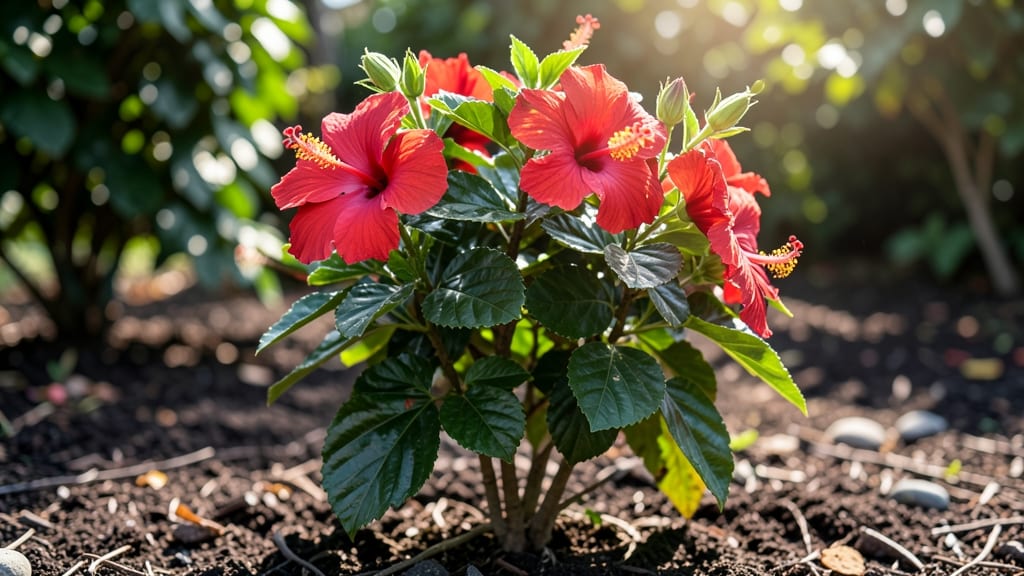
Caring for a red hibiscus means waking up to bold, trumpet-shaped blooms that scream summer—even when your neighbors' plants are just green leaves. 🌺 The secret isn't complicated: it's about sunlight, water, and a little strategic pruning that keeps your plant flowering like crazy all season.
I've had mine bloom from May through October with the right care, and you can too. This tropical stunner thrives in full sun, so pick a spot where it gets at least 6-8 hours of direct light daily.
The soil should drain well but stay slightly moist—think of a wrung-out sponge. Too much water, and roots rot; too little, and those glorious blooms vanish. A balanced fertilizer every 4-6 weeks during growing season keeps the red flowers popping like confetti.
Pruning isn't just about shaping—it's about encouraging more blooms. Cut back leggy stems after flowering to promote bushier growth. Watch for aphids or whiteflies (they love hibiscus too), and treat early with neem oil.
With these basics, you'll have a plant that's the envy of the neighborhood—vibrant, healthy, and always in bloom.
Seasonal shifts matter: in winter, reduce watering and fertilizing, but don't let the soil dry out completely. If you're in a colder zone, bring potted hibiscus indoors near a sunny window.
The key is consistency—hibiscus plants reward patience with bold, show-stopping flowers that turn heads (and attract hummingbirds, which is just a bonus).
Here's the thing—hibiscus care feels intimidating until you do it once. Start with these basics, adjust as you learn, and soon you'll be the one answering questions instead of searching for answers.
The payoff? A plant that turns your garden into a tropical paradise, one deep red bloom at a time.
📚 In This Guide
- What you need
- Instructions
- Tips and common mistakes
- Wrapping up and next steps
What you need
- ● Red hibiscus plant – Choose a healthy nursery-grown specimen (6–12 inches tall) with vibrant green leaves and buds.
- ● Well-draining potting mix – A blend of 60% peat moss or coconut coir, 20% perlite, and 20% compost (or a pre-mixed cactus/succulent mix).
- ● Pot with drainage holes – 12–18 inches in diameter (terracotta or ceramic works best for airflow).
- ● Watering can or hose with a gentle spray nozzle – Avoid overwatering!
- ● Balanced liquid fertilizer (10-10-10 or 20-20-20) – For feeding during growing season.
- ● Pruning shears or sharp scissors – Sterilized to prevent disease.
- ○ Mulch (optional but recommended) – 2–3 inches of organic mulch (like shredded bark) to retain moisture.
- ● Grow lights (LED full-spectrum) – For indoor plants needing 12–14 hours of light daily.
- ● Humidity tray or pebble tray – If your home is dry (hibiscus loves 50–70% humidity).
- ● Epsom salt (magnesium sulfate) – 1 tbsp per gallon of water monthly for greener leaves.
- ● Support stake or trellis – If your hibiscus grows tall and needs structure.
- ● Plant food spikes (slow-release fertilizer) – For low-maintenance nutrient boosts.
Step-by-Step guide to caring for a red hibiscus plant
Here's how I keep my red hibiscus blooming like crazy—no fancy tricks, just consistent care.
🌿 Step 1: Position for Maximum Sunlight
Your red hibiscus needs 6-8 hours of direct sunlight daily to produce those vibrant blooms. Place it near a south- or west-facing window, or move it outside during summer months. I notice the leaves start turning yellow if it's not getting enough light—that's your first warning sign.
If you're growing it indoors, supplement with a grow light for 14-16 hours daily. Keep the light 12-18 inches away from the plant to avoid leaf burn. You'll see the difference in just a few weeks when the buds start forming.
💧 Step 2: Water Deeply and Consistently
Water your hibiscus when the top 1-2 inches of soil feel dry. Stick your finger in the soil—if it's damp, wait another day. I use room-temperature water to avoid shocking the roots, and I always water at the base to keep leaves dry and prevent fungal issues.
This plant hates soggy soil, so make sure the pot has drainage holes. If you notice the leaves wilting or turning yellow, it might be overwatered. Let the soil dry out more between waterings, and you'll see the plant perk up within a few days.
☀️ Step 3: Feed Regularly for Continuous Blooms
Use a balanced liquid fertilizer (10-10-10 or 20-20-20) every 2-4 weeks during spring and summer. I dilute it to half-strength to avoid burning the roots. You'll see new buds forming within a few weeks of consistent feeding.
Stop fertilizing in fall and winter, as the plant goes dormant. Over-fertilizing during these months can lead to salt buildup in the soil, which stresses the plant. A quick soil test can tell you if your hibiscus needs a flush with plain water.
✂️ Step 4: Prune to Encourage Bushier Growth
Prune your hibiscus in early spring to shape the plant and encourage new growth. Cut back leggy stems by one-third to promote bushier growth. Always use clean, sharp pruners to make clean cuts just above a leaf node.
Remove any dead, diseased, or spent blooms regularly. This encourages the plant to produce more flowers instead of putting energy into seed production. I also pinch off the tips of new growth to make the plant fuller and more compact.
🪴 Step 5: Repot and Overwinter Properly
Repot your hibiscus every 2-3 years or when it becomes root-bound. Choose a pot just 1-2 inches larger in diameter than the current one. Hibiscus plants prefer being slightly root-bound, so don't go too big.
In colder climates, bring your hibiscus indoors before the first frost. Place it in a cool, bright spot and reduce watering. You'll notice the plant slow down its growth, which is normal during its dormant period. Resume regular care in spring when new growth appears.
Tips & tricks for perfect red hibiscus care
Here's what nobody tells you about keeping your red hibiscus thriving—these are the details that make all the difference between a struggling plant and one that blooms nonstop.
The Light Factor: In Step 1, if you're using a grow light, rotate your plant every 14-16 hours so all sides get even exposure. I learned this the hard way when one side of my hibiscus turned pale yellow—turns out, it was leaning toward the light! Also, south-facing windows get the most consistent sunlight, but west-facing works too if you're in a warmer climate.
Watering Wisdom: For Step 2, I've found that checking soil moisture with your finger in the morning gives the most accurate reading. The top 1-2 inches should feel completely dry before watering again. Pro tip: Use a moisture meter for precise readings—it takes the guesswork out of it. And always water at the base to prevent fungal spores from splashing onto leaves.
Fertilizer Timing: When you're fertilizing in Step 3, I recommend alternating between your regular balanced fertilizer and a bloom booster like 7-9-5 every other feeding. The extra phosphorus in bloom boosters encourages more vibrant red flowers. Just remember to flush the soil with plain water every 2-3 months to prevent salt buildup—your hibiscus will thank you with healthier growth.
Pruning Precision: In Step 4, when you're cutting back leggy stems by one-third, make sure to cut at a 45-degree angle just above a leaf node. This encourages new growth from that exact spot. I also recommend sterilizing your pruners with rubbing alcohol between cuts to prevent spreading any potential diseases. And don't throw away those pruned stems—propagate them in water for free new plants!
Pro Tips for Red Hibiscus Plant Care
- Here's what nobody tells you about keeping your red hibiscus thriving—these are the details that make all the differe...
- The Light Factor: In Step 1, if you're using a grow light, rotate your plant every 14-16 hours so all sides get even ...
- Watering Wisdom: For Step 2, I've found that checking soil moisture with your finger in the morning gives the most ac...
Frequently asked questions
How often should I water my red hibiscus?
Water your red hibiscus deeply 2-3 times per week during hot, dry weather, and reduce to once a week in cooler months. Always check the top inch of soil—if it’s dry, it’s time to water! Overwatering is a common killer, so ensure well-draining soil and a pot with drainage holes to prevent root rot. Pro tip: Morning watering helps reduce fungal risks.
Can red hibiscus survive winter?
Red hibiscus are tropical plants and hate frost! If you live in a cold climate, bring potted plants indoors before temperatures drop below 50°F (10°C). Place them near a sunny window, reduce watering, and avoid drafts. For outdoor plants, mulch heavily and cover with frost cloth if temps dip below freezing. Pro tip: Prune lightly in early spring to encourage new growth.
Why are the leaves yellowing or dropping?
Yellow leaves usually signal overwatering or nutrient deficiency. Check the soil moisture first—if soggy, cut back on water. If the yellowing is paired with brown edges, it may be underwatering or fluoride buildup (common with tap water). Feed with a balanced fertilizer every 4-6 weeks and flush the soil with water monthly to prevent salt buildup.
Is red hibiscus toxic to pets?
Yes, red hibiscus is mildly toxic to cats and dogs if ingested. The leaves and flowers contain compounds that can cause vomiting, drooling, or lethargy. Keep plants out of reach, and consult your vet if you suspect your pet has chewed on any part of the plant. Pro tip: Opt for pet-safe alternatives like spider plants or Boston ferns if you have curious pets.
How do I encourage more blooms?
Red hibiscus blooms best with full sun (6+ hours daily), regular pruning, and balanced fertilization. Deadhead spent flowers to redirect energy to new blooms, and prune leggy stems in early spring. Use a low-nitrogen, high-phosphorus fertilizer (like 5-10-10) every 4-6 weeks during growing season. Pro tip: A little stress (like slight root binding) can also trigger more flowers!
Wrapping up and next steps
Caring for a red hibiscus is a rewarding journey that brings vibrant blooms and tropical charm to your space! 🌺 With the right balance of sunlight, water, and a little TLC, you’ll enjoy stunning flowers year-round.
Start by choosing healthy plants, providing well-draining soil, and keeping an eye on pests—your efforts will pay off in bold, eye-catching blossoms.
Ready to dive in? Pick your favorite red hibiscus variety and get planting—your garden (or patio!) will thank you. 🌱 Happy growing!