
Planting
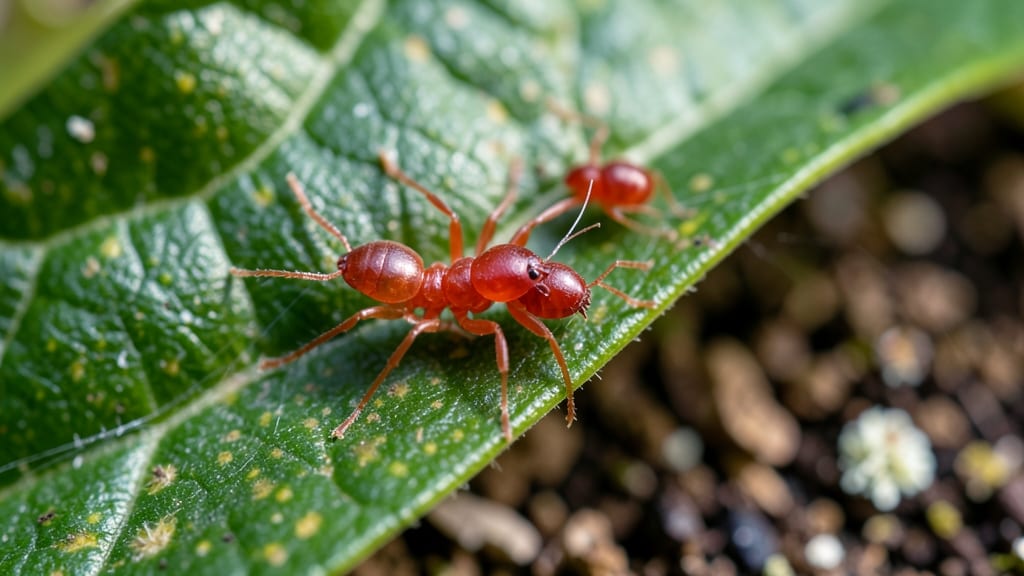
Red spider mites turn your thriving plants into skeleton leaves faster than you can say "disaster." 🌿 I've battled these tiny red pests in my own garden, and the secret weapon that stops them in their tracks is a simple neem oil spray—no fancy equipment or toxic chemicals needed.
The first sign is tiny yellow dots on leaves, followed by fine webbing. These mites thrive in hot, dry conditions, so they're often worst in summer.
My spray recipe combines neem oil, water, and a drop of dish soap to help it stick—mix it up and apply it when the plants are dry for best results. Within 3-5 days of consistent spraying, you'll see new growth without those telltale stipples.
The plants look healthier, the leaves stay full, and you can finally enjoy your garden without the constant battle. Works on houseplants, outdoor vegetables, and ornamentals alike—just adjust the concentration for delicate plants. Here's exactly how to make and apply it!
Hidden Invaders Triggering Tiny Threats
Red spider mites—those nearly invisible but destructive pests—don’t just appear out of nowhere. Their infestations are the result of a perfect storm of environmental and plant-related factors. Understanding why these pests thrive is the first step to stopping them before they wreak havoc on your garden.
Let’s break down the key reasons these arachnid troublemakers show up uninvited.
Red spider mites are drought-loving pests. When temperatures rise above 85°F (29°C) and humidity drops below 40%, these mites enter survival mode—literally. Their waxy bodies retain moisture, allowing them to thrive in arid conditions where most predators (like ladybugs or predatory mites) can’t survive.
💡 Why it matters: High heat causes plants to transpire (lose water) faster, stressing them and making them more attractive to mites. Additionally, dry air weakens plant defenses, leaving them vulnerable to puncture wounds from mite feeding.
🌡️ Actionable fix: Monitor soil moisture and mist plants in extreme heat. Use a hygrometer to track humidity—aim for 50-70% to deter mites.
Mites don’t randomly attack healthy plants—they seek out the weak. Overcrowded foliage traps heat and reduces airflow, while nutrient-deficient or root-bound plants produce less chlorophyll, making them easier prey. Even recently pruned or transplanted plants are at higher risk because their recovery process stresses them out.
💡 Why it matters: Stressed plants exude volatile organic compounds (VOCs), which act like a dinner bell for mites. Additionally, dense foliage provides hiding spots and microclimates where mites can multiply undetected.
🌿 Actionable fix:
- Space plants properly for good airflow (3-6 inches between leaves, depending on the plant).
- Fertilize regularly with a balanced, slow-release formula to avoid nutrient deficiencies.
- Avoid over-pruning—remove only dead or diseased leaves to minimize stress.
In a healthy ecosystem, red spider mites are kept in check by natural enemies like ladybugs, lacewings, predatory mites (Phytoseiulus persimilis), and even some species of birds. However, when these predators disappear—due to pesticide overuse, habitat destruction, or urbanization—mites explode in numbers.
💡 Why it matters: Broad-spectrum insecticides (like neonicotinoids or pyrethroids) kill beneficial insects first, leaving mites unchecked. Even synthetic fungicides can disrupt the food web, creating a mite-friendly vacuum.
🦟 Actionable fix:
- Introduce beneficial insects like ladybugs or Phytoseiulus mites to your garden.
- Switch to selective pesticides (e.g., horticultural oils, neem oil) that target mites without harming predators.
- Plant companion flowers (like marigolds or dill) to attract predatory insects.
Red spider mites are master stowaways. They latch onto new plants, gardening tools, or even your clothing and travel to unsuspecting hosts. If you bring an infested plant indoors or reuse contaminated pots without cleaning them, you’re essentially inviting mites to move in.
💡 Why it matters: Mites can survive for weeks without food by entering a dormant state. A single infested cutting or soil sample can re-infest your entire garden if not quarantined.
🌱 Actionable fix:
- Inspect every new plant under a magnifying glass before bringing it home.
- Clean tools and pots with rubbing alcohol (70%+) or hot, soapy water.
- Quarantine new plants for 2-4 weeks in a separate area before introducing them to your garden.
Not all plants are equal when it comes to mite susceptibility. Succulents, citrus, roses, and indoor plants like spider plants or ferns are mite magnets because their waxy leaves and low moisture content make them easy targets. Even houseplants in dry indoor air (like 30% humidity) become prime real estate for these pests.
💡 Why it matters: Mites prefer plants with thin, hairless leaves because they can easily pierce the epidermis to feed on sap. Some plants also emit chemicals that repel predators but attract mites.
🌱 Actionable fix:
- Choose mite-resistant varieties (e.g., dusty miller or coleus for outdoor gardens).
- For indoor plants, use a pebble tray with water to increase humidity around susceptible species.
- Avoid over-fertilizing with high-nitrogen formulas, which can make plants more attractive to pests.
Quick Fixes for Tiny Plant Pests
Red spider mites—those tiny, web-spinning troublemakers—can turn your lush greenery into a dusty mess if left unchecked. But don’t panic! With the right approach, you can banish them fast and keep your plants thriving.
Below, we’ve mapped out targeted solutions based on the root cause of your infestation, plus proactive prevention tips to lock them out for good.
Cause: Cramped roots and dense foliage create the perfect hiding spot for mites to multiply undetected.
Fix It:
- 🍳 Prune strategically – Trim back overgrown branches (especially on houseplants like ferns or ivy) to improve airflow. Focus on yellowing or curled leaves—these are hotspots.
- 👨🍳 Repot if needed – If your plant’s roots are circling the pot, upgrade to a 1–2 inches larger container with fresh, well-draining soil. Pro tip: 💡 Sanitize the pot with a 10% bleach solution (1 part bleach to 9 parts water) before repotting to kill lingering eggs.
- 🌿 Space them out – If growing multiple plants, ensure they’re 6–12 inches apart (depending on the species) to reduce humidity pockets where mites thrive.
Prevent Relapse:
- 🌡️ Monitor humidity – Keep levels between 40–60% with a hygrometer. Use a pebble tray with water under pots for extra moisture (just don’t let roots sit in it!).
- ✨ Rotate plants weekly – Give each side of your plant equal sun exposure to prevent one-sided stress, which weakens defenses.
Cause: You’ve spotted fine webbing or speckled leaves but want to avoid harsh pesticides.
Fix It:
- 💦 Blast them off – Water blasts (not just a spray!) dislodge mites and eggs. Use a gentle stream from a watering can or hose on the undersides of leaves where they hide. Do this every 2–3 days for a week.
- 🍋 Soapy water solution – Mix 1 tsp mild castile soap or dish soap (like Dawn) with 1 quart of water. Spray directly on mites (avoid flowers if possible). Test on a small leaf first—some plants are soap-sensitive!
- 🌿 Neem oil spray (the game-changer) –
- Recipe: 1 tbsp 100% cold-pressed neem oil + 1 tsp honey or dish soap + 1 quart lukewarm water.
- How to apply: Shake well, spray until dripping on all leaf surfaces (especially undersides). Reapply every 5–7 days for 2–3 weeks.
- Why it works: 🎯 Neem oil smothers mites, disrupts their life cycle, and acts as a repellent for new invaders.
Prevent Future Outbreaks:
- 🌡️ Keep leaves dust-free – Wipe leaves weekly with a damp microfiber cloth to remove mites before they settle in.
- 🍎 Introduce predator plants – Grow marigolds, lavender, or basil nearby—their scents repel mites naturally.
Cause: Your plants are covered in webbing, leaves are bronzed or dropping, and neem oil alone isn’t cutting it.
Fix It:
- 🧴 Horticultural oil spray – More potent than neem, this suffocates mites on contact.
- How to use: Apply early in the morning (avoid direct sun) on a cool day. Reapply every 5–7 days for 3 weeks.
- Caution: 🚨 Test on a small area first—some plants (like succulents) may react poorly.
- 🐞 Release beneficial predators –
- Predatory mites (Phytoseiulus persimilis) – These tiny hunters eat spider mites like all-you-can-eat buffets. Order online and release 2–3 times over 2 weeks.
- Ladybugs or lacewings – Great for general pest control but may also snack on aphids. Release at dusk when they’re most active.
- 🌿 Quarantine & isolate – Move infested plants away from healthy ones to stop the spread. Place a clear plastic bag over the plant for 24–48 hours to trap mites, then wipe leaves with rubbing alcohol (70% isopropyl) on a cotton swab.
Prevent a Comeback:
- 🔄 Replace heavily infested soil – Mites burrow into the soil. Discard the top 2 inches of soil and replace with sterilized potting mix.
- 🌡️ Adjust watering habits – Overwatering = mite paradise. Let the top inch of soil dry out between waterings.
Cause: You’ve dealt with mites before and want to keep them away for good.
Fix It:
- 🌿 Build a pest-resistant garden –
- Companion plants: Grow garlic, chives, or thyme near susceptible plants (like roses or tomatoes) to mask plant scents mites use to find hosts.
- Diatomaceous earth (DE): Sprinkle food-grade DE around the base of pots or garden beds. It’s non-toxic but deadly to mites—just reapply after watering.
- 🔍 Inspect new plants – Quarantine any new additions for 2–4 weeks before introducing them to your collection. Check under leaves and stems for webbing or mites.
- 🌡️ Optimize growing conditions –
- Light: Most mites hate bright, indirect light. If your plants are leggy or pale, they’re stressed—adjust their spot.
- Airflow: Use a small fan on low setting near plants to deter mites (they dislike movement).
Pro Tip: 💡 Keep a "pest journal"—note when infestations happen, what plants were affected, and what worked. Patterns will help you predict and prevent future outbreaks!
Remember: Patience is key! Spider mites reproduce fast, but with consistent action, you’ll see improvement in 2–4 weeks. Once your plants bounce back, stay vigilant—those tiny red pests are always lurking!
Frequently asked questions
How do I know if my plants have red spider mites?
Look for tiny red or yellow specks on leaves, fine webbing between branches, and leaves that look like they’ve been dusted with pepper. Use a magnifying glass to check for tiny moving dots—those are the mites! Early signs include yellow stippling on leaf surfaces.
Will neem oil harm my beneficial insects like ladybugs?
Neem oil is generally safe for ladybugs and other beneficial insects when used properly. The key is to apply it at dusk or early morning when pollinators are less active, and avoid spraying flowers directly. Always use 100% cold-pressed neem oil for best results.
Can I use household items to treat red spider mites?
Yes! A simple soapy water spray (1 tsp mild dish soap in 1 quart water) works well for light infestations. For stubborn cases, try rubbing alcohol (70% isopropyl) on a cotton swab to wipe leaves—it kills mites on contact. Just test on a small area first to avoid damaging delicate plants.
Why do spider mites seem to get worse in summer?
Spider mites thrive in hot, dry conditions—temperatures above 85°F (29°C) and low humidity create their perfect environment. They reproduce faster in heat, and dry air weakens plants, making them more vulnerable. Keep humidity between 50-70% and mist plants regularly during summer months.
How long does it take to see results after treatment?
With consistent treatment (every 5-7 days), you should see improvement in 2-3 weeks. New growth will appear without stippling, and existing damage may stop progressing. For severe infestations, combine neem oil with beneficial predators like Phytoseiulus persimilis for faster results.