
Planting
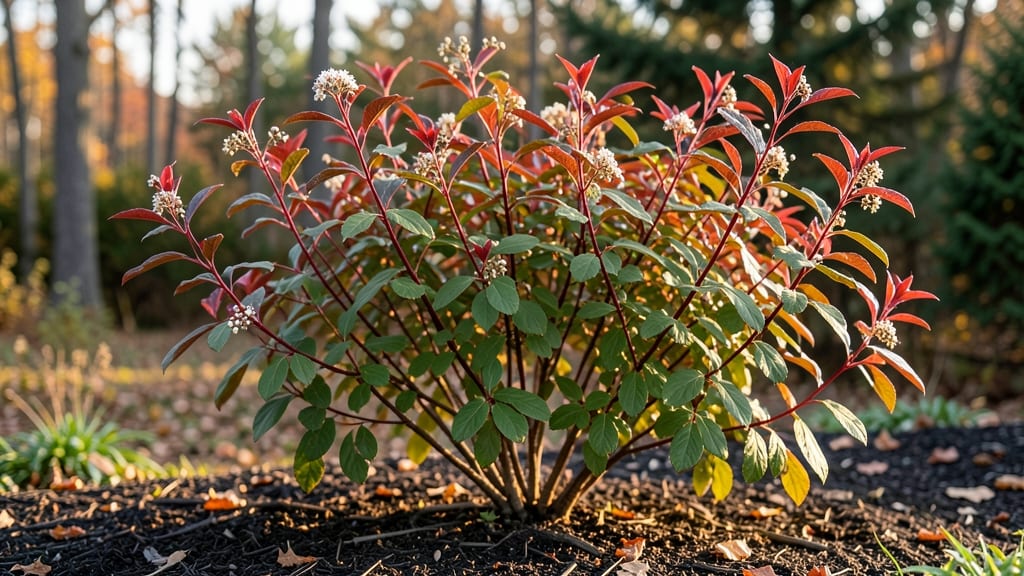
Proper red twig dogwood spacing is the secret to those fiery winter stems that make your garden stand out 🌿—but cram them too close, and you’ll end up with weak, leggy shrubs that fight for every drop of sunlight.
Want a winter garden that pops with color? Red twig dogwood’s vibrant stems thrive when planted with precision, but spacing mistakes can ruin their show. The right distance ensures strong growth, better air circulation, and stems that blaze from fall through winter.
Most gardeners space these shrubs 3 to 6 feet apart, but that’s just the starting point. Your soil, sunlight, and even the variety you choose can shift the ideal spacing—sometimes by a foot or more.
Below, I’ll break down the exact layouts that keep your dogwoods healthy and your garden looking intentional.
Whether you’re creating a bold hedge, a mixed border, or a single statement plant, you’ll learn how to arrange them for maximum impact—plus companion plants that play well together without stealing the spotlight.
Optimal red twig dogwood spacing by planting situation
Red twig dogwood (Cornus sericea) steals the show in winter with its vibrant red stems, but proper spacing ensures these shrubs thrive year-round. Plant too close, and you’ll risk disease and weak growth.
Too far apart, and your garden loses that dramatic winter color you crave. The right spacing depends on your planting situation, from sun exposure to soil type.
Science shows that air circulation and root competition are critical. In full sun, red twig dogwood needs more space to avoid heat stress, while partial shade allows closer spacing. Container planting? Your spacing rules change entirely. Let’s break it down by environment so you can plant with confidence.
| Planting Situation | Recommended Spacing | Notes | Best For |
|---|---|---|---|
| Full Sun (6+ hours/day) | 6-8 feet apart | Increase spacing to reduce heat stress and improve airflow | South-facing borders, open meadows |
| Partial Shade (3-6 hours/day) | 4-6 feet apart | Ideal for vibrant stem color and compact growth | Woodland gardens, under trees |
| Clay Soil (Poor Drainage) | 8-10 feet apart | Prevents root rot and waterlogging | Low-lying areas, heavy soil regions |
| Sandy Soil (Fast Drainage) | 3-4 feet apart | Faster establishment with minimal competition | Dunes, coastal gardens |
| Container Planting (15+ gallon pots) | 1 plant per container | Use well-draining mix and larger pots for mature sizes | Patios, balconies, small spaces |
| Mass Planting (Hedges/Borders) | 3-4 feet apart | Create a dense winter screen with uniform height | Privacy screens, foundation plantings |
For dwarf varieties like 'Hot Lava', reduce spacing to 3-4 feet in partial shade. These compact shrubs stay under 5 feet tall and pack a punch in tight spaces. Just avoid planting them in full sun, where they’ll stretch and lose their vibrant color.
Soil type plays a huge role. In clay-heavy soil, roots struggle to breathe, so give your red twig dogwood extra room—8-10 feet apart.
Amend the soil with compost or sand to improve drainage. In sandy soil, closer spacing works because the roots establish faster with less competition.
If you’re planting in containers, one shrub per 15-gallon pot is ideal. Use a well-draining mix with peat moss or orchid bark to mimic woodland conditions. For larger containers (25+ gallons), you can fit two dwarf varieties side by side, but avoid overcrowding—roots need room to expand.
Pro tip: When planting in rows or hedges, stagger your shrubs in a staggered grid pattern. This creates a natural, layered look while maximizing stem visibility.
For example, plant one row at 4 feet apart, then offset the next row by 2 feet to fill gaps as they grow.
Watch out for competition from weeds or nearby plants. Red twig dogwood has shallow roots, so mulch with 3-4 inches of wood chips to suppress weeds and retain moisture. Avoid planting near aggressive spreaders like mint or bamboo, which will choke out your dogwood’s growth.
Finally, remember that pruning in late winter (before new growth) helps maintain shape and encourages vibrant stems. If your dogwood is overcrowded, prune out 1/3 of the oldest stems at the base to improve
Creative red twig dogwood planting layouts for year-round interest
Red twig dogwood isn’t just a winter star—it’s a year-round performer when planted with intention. The key lies in strategic spacing and companion plant pairings that highlight its vibrant stems while keeping your garden thriving.
Whether you’re creating a bold hedge or a subtle border, these layouts ensure your dogwoods shine without competing with neighbors.
For hedges and formal borders, aim for 4-5 feet between plants to allow airflow and prevent disease. This spacing lets you trim into neat shapes while maintaining the dogwood’s signature fire-engine red stems.
Pair them with evergreen shrubs like boxwood or inkberry holly to create a lush, ever-changing backdrop that contrasts beautifully with the dogwood’s seasonal color shifts.
- Hedges & Borders: Plant 4-5 ft apart in single or double rows. Mix with boxwood (3 ft spacing) or inkberry holly (4 ft spacing) for year-round structure.
- Mixed Shrub Beds: Space 5-6 ft apart and pair with golden ninebark (4 ft spacing) or coralberry (5 ft spacing) for layered texture and color contrast.
- Mass Plantings: Use 6 ft spacing in groups of 3-5 plants. Add ornamental grasses (like Miscanthus, 3 ft spacing) to sway in the breeze and soften the dogwood’s bold stems.
- Container Plantings: Choose dwarf varieties (3-4 ft tall) and plant 2-3 per 18-inch pot. Combine with heuchera (3 ft spacing) or sedum (2 ft spacing) for compact, vibrant displays.
- Wildflower Meadows: Space 8-10 ft apart to let dogwoods anchor the scene. Plant native wildflowers (like coneflowers or black-eyed Susans) around them for pollinator-friendly contrast.
If you’re designing a mixed shrubbery bed, give your red twig dogwoods 5-6 feet of breathing room. This spacing prevents overcrowding while allowing you to layer in companions like golden ninebark or coralberry for a dynamic mix of textures and colors.
The dogwood’s arching branches will cascade over lower-growing plants, creating a natural, layered effect that changes with the seasons.
For mass plantings, stretch the spacing to 6 feet apart and group 3-5 plants together. This creates a dramatic focal point while keeping maintenance manageable. Add ornamental grasses like Miscanthus or switchgrass to sway around the dogwoods, adding movement and softening the bold stems.
The grasses’ feathery plumes will complement the dogwood’s fiery hues in autumn and winter.
Don’t overlook containers! Dwarf varieties of red twig dogwood (like ‘Twinberry’) thrive in pots, making them perfect for patios or balconies. Plant 2-3 dogwoods per 18-inch container and pair them with heuchera or sedum for a compact, low-maintenance display.
Just ensure the container has drainage holes and use a well-draining potting mix to prevent root rot.
Finally, for a wild, natural look, space dogwoods 8-10 feet apart in a wildflower meadow. Let them anchor the scene while surrounding them with native perennials like coneflowers or black-eyed Susans.
This layout mimics their natural habitat and creates a pollinator paradise while keeping the dogwood’s vibrant stems as the star of the show.