
Planting
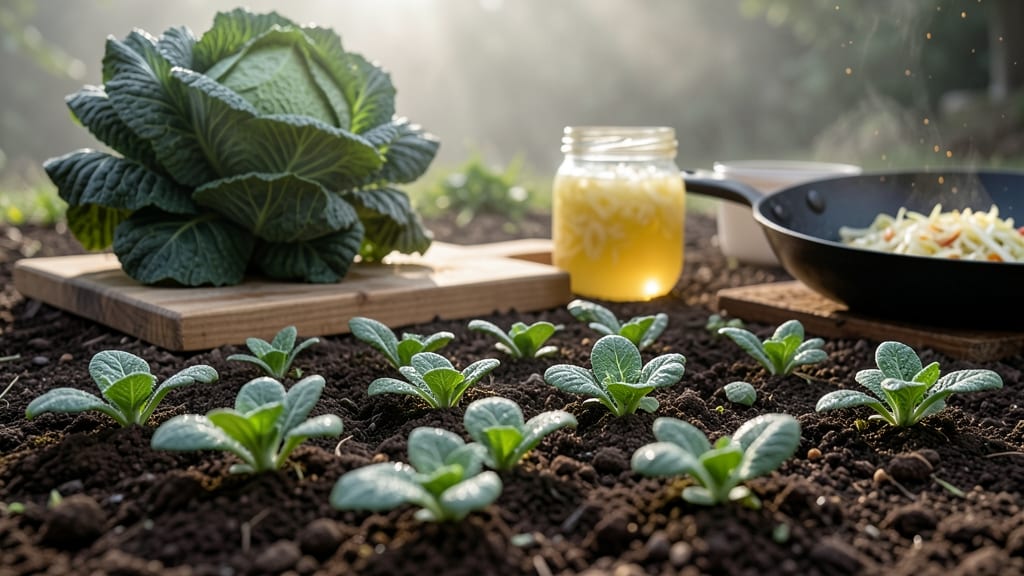
January may seem too cold for gardening, but these frost-hardy seeds thrive in early spring conditions. Starting them now gives you a head start on fresh harvests before summer even arrives.
Peas for Early Spring Garden Beds
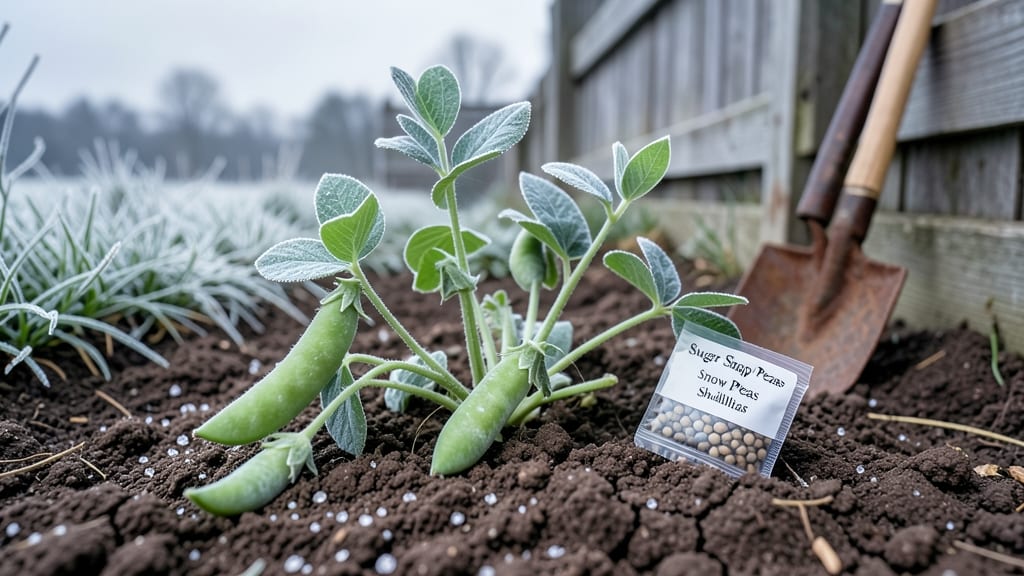
Skip the wait for spring—peas are one of the first crops you can sow in January, thriving even when temperatures dip below freezing. Their ability to fix nitrogen in the soil means they’ll leave your garden beds richer for next season’s plants, too.
Choose sugar snap, snow, or shelling peas for January planting, as they germinate best in 40-70°F soil. Plant seeds 1 inch deep, 2-3 inches apart, and provide a trellis or stakes for climbing varieties to save space. Harvest begins in just 60-70 days, offering a protein-packed reward for minimal effort.
Perfect for small-space gardens or containers, peas are a beginner-friendly crop that rewards patience with fresh, crisp pods. Their early harvests make them a staple for January sowers eager to taste homegrown goodness. 🌱
Spinach for Cool Season Greens
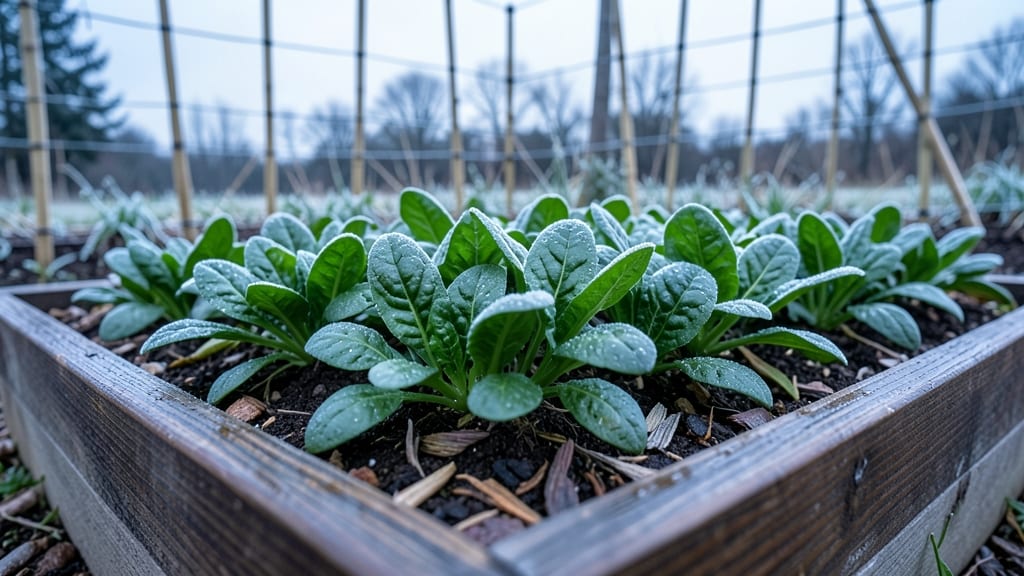
While peas are climbing their way into early spring gardens, spinach is quietly thriving in the cold—perfect for January sowing when temperatures hover between 40-70°F. Unlike heat-sensitive greens, spinach actually bolts less in cool weather, giving you a reliable harvest before summer’s heat sets in.
Choose varieties like ‘Bloomsdale Long Standing’ or ‘Tyee’ for cold tolerance and disease resistance. Plant seeds ½ inch deep in well-draining soil with partial shade to prevent bolting. Harvest outer leaves when they reach 4-6 inches to encourage continuous growth—you’ll have fresh greens in just 30-40 days.
This nutrient powerhouse is packed with iron, vitamin K, and folate, making it a health boost for salads, sautés, or smoothies. Urban gardeners and beginners will love its forgiving nature and space-efficient growth. 🌱
Kale for Hardy Winter Salads
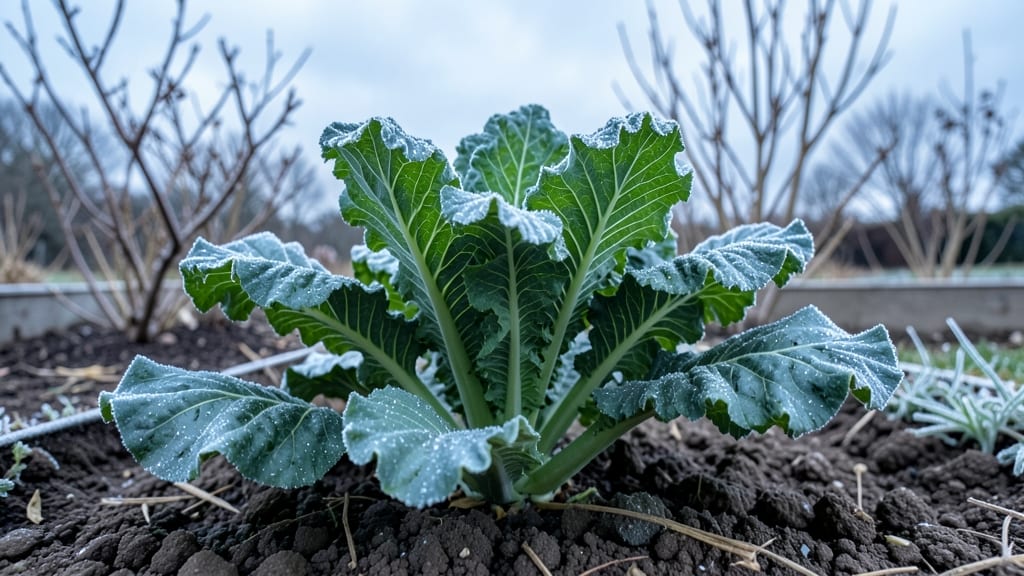
Skip the summer heat—‘Winterbor’ kale thrives when most gardens call it quits, actually sweetening after a light frost. This cold-hardy variety is your secret weapon for crisp, nutrient-packed salads straight from the garden.
Sow seeds directly in well-draining soil after the last frost or start indoors 6-8 weeks before your last expected frost date. Space plants 12-18 inches apart to allow airflow, which prevents common diseases like downy mildew. Kale’s year-round harvest potential means you can enjoy fresh leaves well into winter, with minimal maintenance—just protect young plants from slugs and keep soil consistently moist.
Perfect for urban gardeners with limited space or those who love nutrient-dense greens, kale’s antioxidant powerhouse status makes it a win-win. 🌿
Lettuce for Microgreens and Baby Leaves
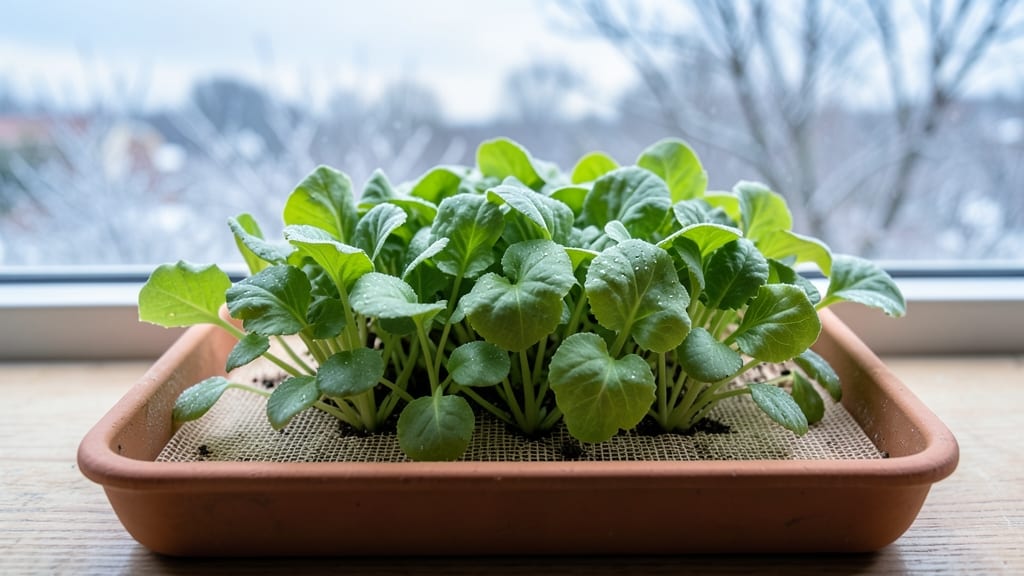
If you're craving fresh greens but don’t have space for a full garden, lettuce microgreens are your solution—ready in just 30 days when you start in January. Varieties like ‘Arctic King’ thrive in cool temperatures (40–65°F) and deliver tender, nutrient-packed leaves perfect for salads, sandwiches, or garnishes.
Sow seeds ½ inch deep in trays with well-draining soil, keeping them moist under grow lights or a sunny windowsill. Harvest baby leaves when they reach 2–3 inches tall by snipping with scissors, leaving the roots intact for regrowth. This method maximizes yield in minimal space, making it ideal for urban balconies or kitchen counters.
Urban gardeners and beginners will love this low-maintenance crop—it’s a fast, forgiving way to enjoy homegrown greens without waiting months. Plus, the vibrant colors add a pop to any meal! 🌱
Radishes for Quick Harvests and Pest Control
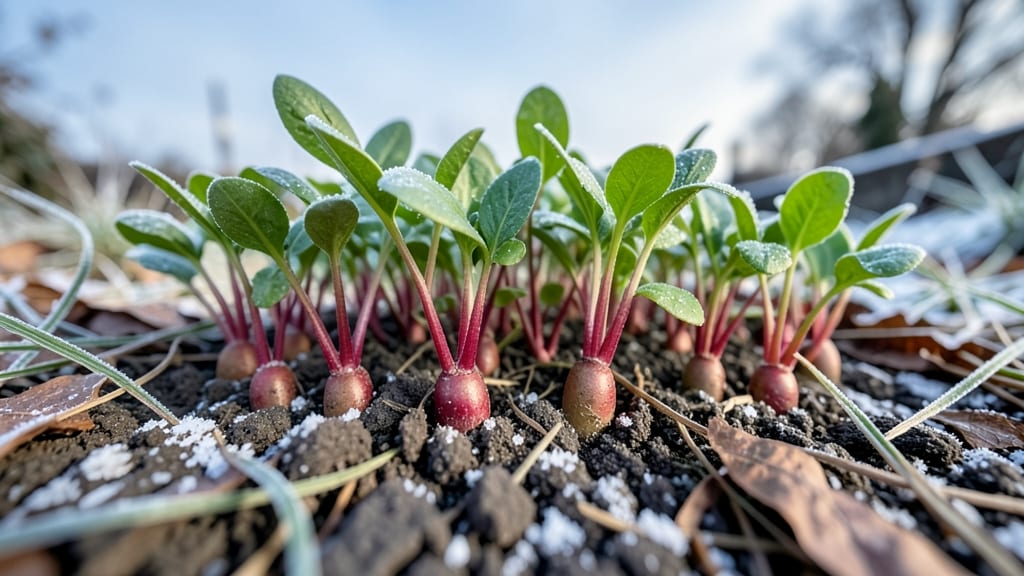
Want a fast harvest that doubles as a natural pest repellent? Radishes are your January superstars, popping up in just 25 days with minimal effort. Their peppery crunch transforms salads, while their presence deters aphids and other garden pests—making them the ultimate dual-purpose crop.
Sow seeds ½ inch deep in well-draining soil when temperatures hover between 40-75°F, and watch them thrive in partial shade or full sun. For continuous harvests, plant every 2-3 weeks—their quick cycle means you’ll enjoy fresh radishes from early spring through summer. Varieties like ‘Cherry Belle’ or ‘French Breakfast’ are perfect for beginners.
Urban gardeners and small-space growers will love radishes—they’re happy in containers and don’t need much room. Plus, their fast growth makes them ideal for January sowing, giving you a head start before other crops even sprout. 🌱
Brussels Sprouts for Long-Term Harvests
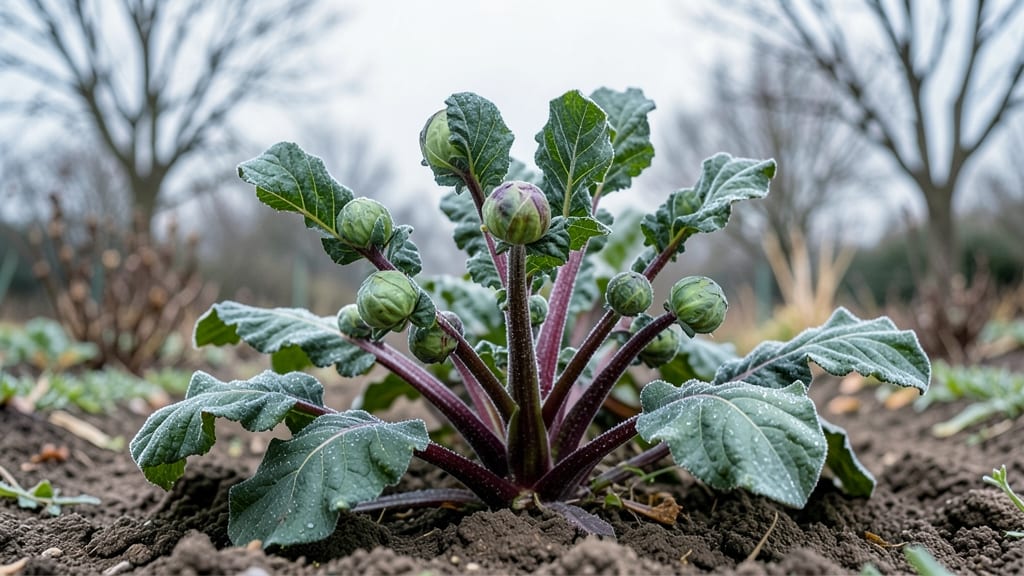
If you love the idea of harvesting fresh vegetables well into winter, Brussels sprouts are your perfect January planting partner. Unlike fast-growing crops, these slow-to-mature gems reward patience with a multi-month harvest—think late fall through early winter—when most gardens have gone quiet.
Sow seeds indoors in January or directly into cool soil (40-60°F) after the last frost. Varieties like ‘Long Island Improved’ or ‘Ruby’ thrive in full sun to partial shade and actually sweeten in frost, making them ideal for cold climates. Space plants 18-24 inches apart to give their sturdy stalks room to grow.
This is the crop for gardeners who enjoy the satisfaction of planning ahead. Once established, Brussels sprouts require minimal care—just consistent watering and occasional side-dressing with compost. 🌱
Onion Sets for Early Green Harvests
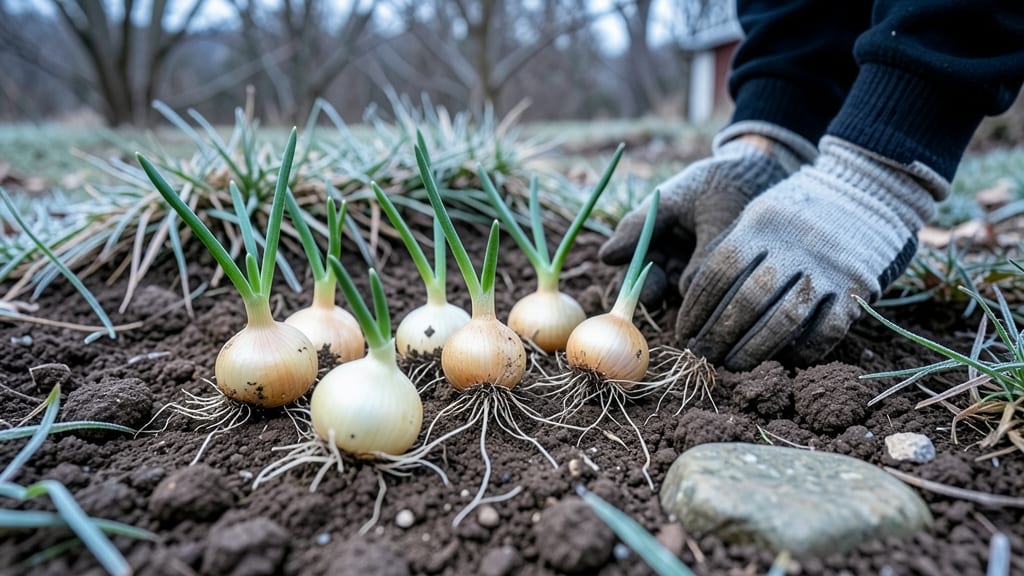
Skip the wait for spring—onion sets are your secret weapon for fast, fresh green onions in just 3-4 weeks, even in cold soil. These pre-germinated bulbs bypass the slow germination stage, letting you harvest tender shoots while most gardens are still dormant.
Plant them 1-2 inches deep in well-draining soil (or even a shallow container) with 2-3 inches between sets. They thrive in full sun to partial shade and tolerate light frosts, making them perfect for January sowing. For urban gardeners, a windowsill setup with a south-facing view works beautifully—just keep soil consistently moist.
This is the ideal choice for anyone craving quick rewards or limited on outdoor space. Whether you’re a beginner or a seasoned grower, onion sets deliver fresh flavor without the fuss. 🌱
Carrots for Slow-Growing Root Vegetables
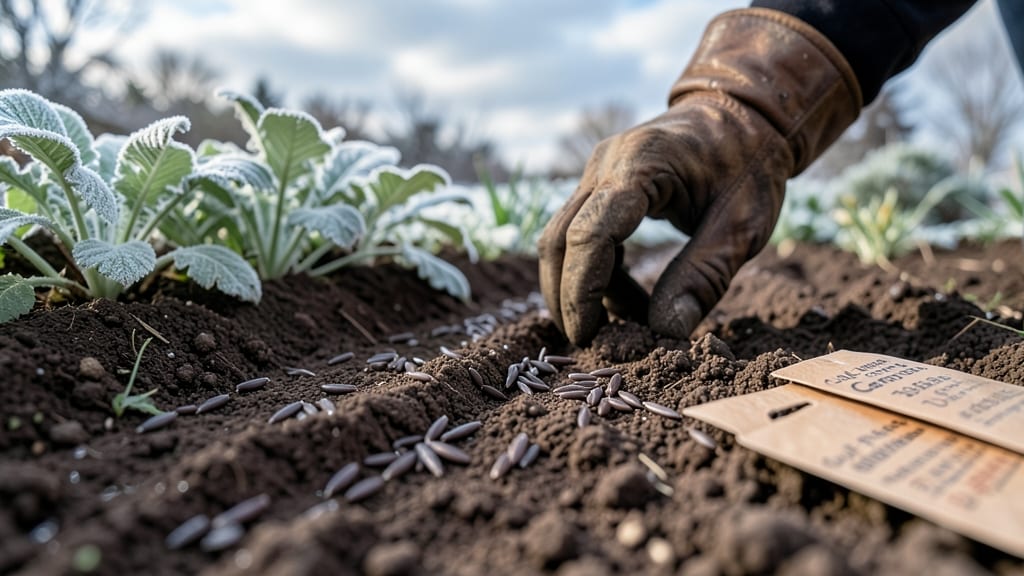
If you're craving a patient but rewarding gardening project, carrots are your perfect January companion. Unlike fast-growing radishes or lettuce, carrots take their time—70 days to maturity—but their slow pace means they thrive in cool soil temperatures and even light frosts.
Choose cold-tolerant varieties like ‘Purple Haze’ or ‘Paris Market’ for January planting, as they handle loose, rocky soil better than traditional orange types. Loosen the soil to 12 inches deep and mix in compost to prevent forking. Thin seedlings to 2-3 inches apart once they sprout, and watch as they grow steadily through early spring.
This slow-and-steady approach is ideal for gardeners who enjoy long-term satisfaction over quick harvests. Plus, their deep roots improve soil structure for future plantings. 🌱
Broccoli for Nutrient-Dense Stems and Leaves
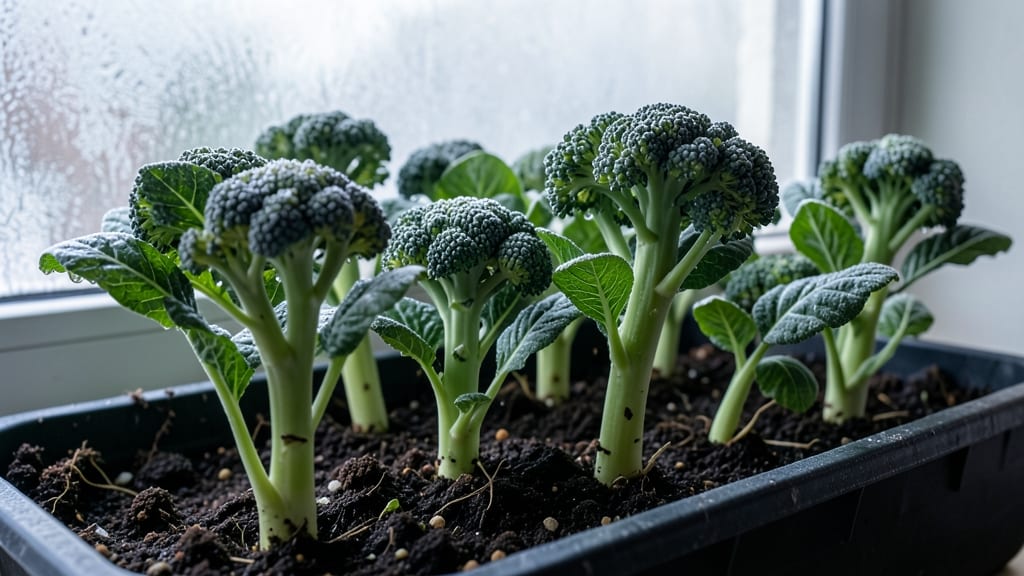
Looking for a nutrient-packed January crop that thrives in chilly weather? Broccoli isn’t just about the florets—its edible stems and leaves are packed with vitamins C and K, and cold-resistant varieties like ‘De Cicco’ make it a standout choice for early spring planting.
Sow seeds indoors in late January or directly into well-draining soil when temperatures hover between 40-60°F. The real magic happens after the main head forms: harvest side shoots (those smaller florets that sprout from the stem) for weeks of continuous yield. This extends your harvest well into spring, giving you more bang for your buck than most crops.
Perfect for gardeners who want year-round nutrition without summer heat stress, broccoli’s versatility makes it a must-have for January sowing. Plus, its pest-resistant nature means fewer headaches than other brassicas. 🌱
Cabbage for Versatile Harvest Uses

Looking for a January crop that rewards patience with long-term storage and versatile uses? Cabbage thrives in cool weather, resisting bolting while maturing into dense heads perfect for salads, sauerkraut, or stir-fries—without requiring summer heat.
Sow seeds directly in well-drained soil when temperatures hover between 40-65°F, spacing them 18-24 inches apart. Varieties like ‘Golden Acre’ or ‘January King’ are ideal for January starts, offering harvests in 70-100 days. After picking, store whole heads in a cool, dark place for months, preserving freshness until late spring.
This low-maintenance crop is perfect for gardeners who want to stock their pantry early. Plus, its cold-hardy nature means you can extend harvests well into winter. 🌱