
Planting
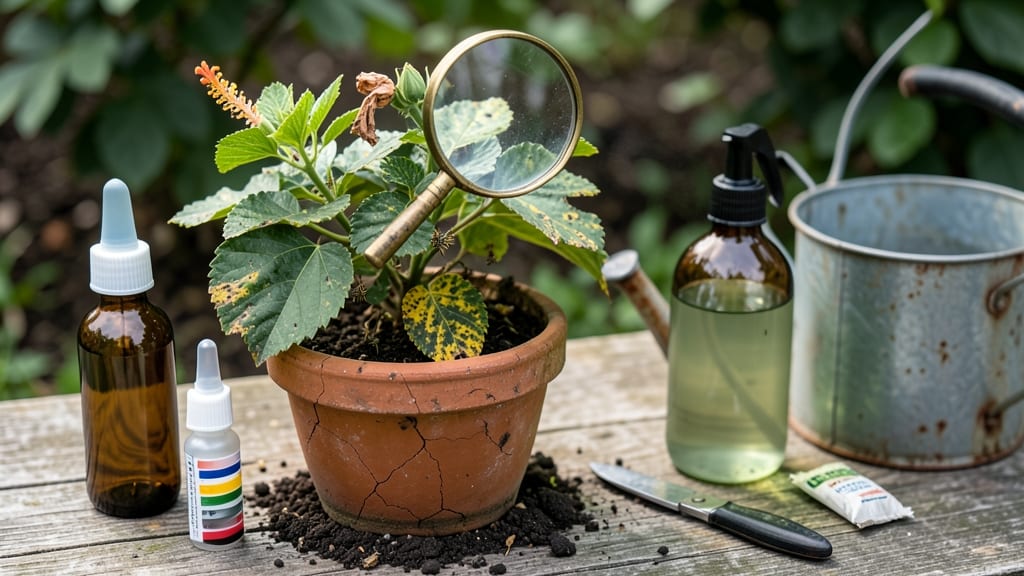
A sick hibiscus plant is dropping leaves like it’s auditioning for a bad soap opera. 🌿 The good news? Most "sick hibiscus" symptoms come from fixable issues—overwatering, underwatering, or pests—rather than a death sentence.
I’ve nursed back more than a dozen drooping hibiscus plants, and I’m sharing the exact steps that work in 7 days or less.
First, diagnose the problem: check the soil (finger-deep—if it’s soggy, you’re overwatering; if dry as a bone, you’re underwatering), inspect leaves for spots or webbing (pests or fungus), and look for yellowing edges (nutrient burn).
The fix depends entirely on what you find—whether it’s adjusting water, pruning dead growth, or a quick spray for spider mites. By day 3, you’ll see the first signs of recovery—perkier leaves, new buds, or fewer pests.
The key is acting fast and checking the roots if the plant stays limp. Hibiscus are tough; they just need the right care to bounce back like champions.
Prevention is easier than cleanup: water deeply but only when the top inch of soil is dry, fertilize lightly during blooming season, and keep an eye out for pests. If the problem persists after a week, it’s time to call in a pro—some fungal infections need stronger medicine.
Root Causes of Hibiscus Decline
A sick hibiscus plant often signals stress from hidden environmental or care-related factors. While drooping leaves or yellowing foliage can be alarming, understanding the why behind the symptoms is the first step to revival.
Below, we break down the most common culprits—each with a clear scientific explanation and actionable insights to help you diagnose the issue accurately.
Hibiscus plants thrive in well-draining soil but are extremely sensitive to waterlogged roots. When soil stays soggy for too long, root cells suffocate due to a lack of oxygen, triggering anaerobic respiration.
This process produces toxic byproducts like ethanol and acetaldehyde, which poison the roots and disrupt nutrient uptake.
Key signs:
- Yellowing leaves (chlorosis) starting from the bottom
- Mushy, black, or rotting roots when inspected
- Stunted growth despite frequent watering
- Foul, sour smell from the soil
Why it happens:
- Compacted or clay-heavy soil holds excess moisture, preventing oxygen exchange.
- Lack of drainage holes in pots traps water, mimicking a swampy environment.
- Overzealous watering—hibiscus roots need time to dry out between waterings (typically 1–2 inches deep should be dry).
- Seasonal factors: Winter slows root activity, but many gardeners water on the same schedule year-round.
💡 Pro Tip: Stick your finger 2–3 inches into the soil—if it’s damp, wait. Hibiscus in pots may need water every 5–7 days in summer, but every 10–14 days in winter. If your plant is potted, ensure the container has drainage holes and use a mix of 50% potting soil, 30% perlite, and 20% compost for aeration.
While hibiscus loves humidity, prolonged drought forces the plant into survival mode, causing leaves to curl, wilt, or drop. Heat stress accelerates this by increasing transpiration (water loss through leaves) faster than roots can replenish it. When soil moisture drops below 30–40%, cellular turgor pressure collapses, leading to wilting.
Key signs:
- Leaves feel crispy or dry to the touch
- Soil pulls away from the pot edges (indicating extreme dryness)
- Leaves turn brown at the edges (scorching)
- Stems appear hollow or shriveled
Why it happens:
- Inconsistent watering: Skipping watering days or relying on rain alone (especially in high-heat zones).
- Small pots dry out faster than larger containers.
- Low humidity environments (e.g., air-conditioned rooms or arid climates) increase evaporation.
- Root-bound plants struggle to absorb water efficiently, even when soil is moist.
💡 Pro Tip: Water deeply until it drains from the bottom, then empty the saucer to prevent root rot. For outdoor hibiscus, mulch around the base to retain moisture. In dry climates, group plants together to create a microclimate with higher humidity. If leaves are severely wilted, place the plant in a shallow tray of water for 10–15 minutes to rehydrate.
Hibiscus are prone to pathogenic attacks when stressed (e.g., from overwatering or poor airflow). Fungi like Phytophthora and Fusarium thrive in wet conditions, while bacteria such as Xanthomonas cause leaf spot and stem rot. These microbes clog plant tissues, blocking nutrient transport and leading to necrosis (dead tissue).
Key signs:
- Dark, water-soaked spots on leaves or stems
- Yellow halos around spots (bacterial leaf spot)
- Leaves droop suddenly before turning black
- Mushy stems at the base (advanced root rot)
Why it happens:
- Stagnant water on leaves or soil (e.g., from overhead watering or poor airflow).
- Contaminated tools or soil: Reusing pruners or repotting with infected soil spreads pathogens.
- High humidity + warm temperatures (ideal for fungal growth, e.g., 70–85°F with >70% humidity).
- Weakened plant defenses due to nutrient deficiencies or physical damage.
💡 Pro Tip: Prevent infections by watering at the base (avoid wetting leaves) and spacing plants 3–4 feet apart for airflow. If you spot symptoms, prune infected areas with sterilized tools (70% isopropyl alcohol) and treat with copper fungicide or a baking soda spray (1 tsp baking soda + 1 quart water + a drop of dish soap). For bacterial issues, remove affected leaves immediately to prevent spread.
Hibiscus are tropical plants with a narrow comfort zone: temperatures below 50°F (10°C) or above 95°F (35°C) without acclimation can shock the plant. Cold snaps cause chlorophyll breakdown (leading to yellowing), while extreme heat denatures enzymes responsible for photosynthesis, stunting growth.
Key signs:
- Leaves turn yellow or brown in patches (cold damage)
- Bud drop before flowers open (heat stress)
- Leaves curl upward or appear bleached (sunburn)
- Stunted growth despite proper watering
Why it happens:
- Sudden temperature drops (e.g., moving an indoor hibiscus outside after winter).
- Direct afternoon sun in hot climates (e.g., Southern U.S. summers) causes photoinhibition.
- Drafty environments (e.g., near AC vents or open windows in winter).
- Lack of winter protection: Hibiscus cannot tolerate frost—even temperatures below 40°F (4°C) damage cells.
💡 Pro Tip: Keep hibiscus in bright, indirect light (e.g., east-facing windows or 3–6 feet from a south window). In summer, provide afternoon shade with a sheer curtain. For outdoor plants, <
Revive Your Hibiscus Fast
Your hibiscus isn’t beyond saving—it just needs the right care to bounce back! Below are targeted fixes for common issues, paired with prevention tips to keep your plant thriving long-term. Whether it’s wilting, yellowing, or pest trouble, we’ve got you covered with simple, actionable steps that work.
Symptoms: Yellow leaves, mushy stems, root rot, or soil that stays soggy for days.
How to Fix It: 🔥 Step 1: Stop Watering Immediately
- Let the top 2–3 inches of soil dry out before watering again. Stick your finger in—if it’s damp, wait!
🍳 Step 2: Check the Roots
- Gently remove the plant from its pot and inspect the roots. Healthy roots are firm and white; rotten roots are brown, mushy, or smell foul.
- Snip off any black/mushy roots with sterilized scissors (rubbing alcohol works).
👨🍳 Step 3: Repot in Fresh Soil
- Choose a pot with drainage holes (if repotting) and fill it with a well-draining mix (cactus or succulent soil works well).
- Add a 1-inch layer of perlite or gravel at the bottom to improve drainage.
🥘 Step 4: Adjust Your Watering Routine
- Hibiscus hates soggy feet! Water only when the top 2 inches of soil are dry, and never let it sit in standing water.
- Pro Tip: Use a moisture meter or the finger test to avoid guesswork.
🌡️ Prevention Tips:
- Use terracotta pots (they dry faster than plastic).
- Avoid saucers without drainage—empty excess water after 10 minutes.
- Mulch lightly (1 inch) to retain moisture without suffocating roots.
Symptoms: Crispy, brown leaf edges, drooping, or leaves curling inward.
How to Fix It: 🔥 Step 1: Deep Watering
- Water thoroughly until it drains from the bottom. Hibiscus needs 1–1.5 inches of water per week (more in heat).
🍳 Step 2: Move to a Cooler Spot
- If temperatures exceed 90°F (32°C), provide afternoon shade or move indoors near a bright window (but no direct sun).
👨🍳 Step 3: Increase Humidity (If Needed)
- Hibiscus loves 60–70% humidity. Place the pot on a pebble tray with water or use a humidifier nearby.
🥘 Step 4: Trim Damaged Leaves
- Snip off brown, crispy leaves with clean scissors to redirect energy to healthy growth.
🌡️ Prevention Tips:
- Water in the morning to reduce evaporation.
- Mist leaves lightly 2–3 times a week (avoid soggy soil).
- Group plants together to create a microclimate with higher humidity.
Symptoms: Sticky residue (honeydew), white cottony spots, or tiny webs on leaves/stems.
How to Fix It: 🔥 Step 1: Isolate the Plant
- Move it away from other plants to prevent spreading.
🍳 Step 2: Wipe Down Leaves
- Use a soapy water solution (1 tsp mild dish soap + 1 quart water) and a soft cloth to remove pests.
👨🍳 Step 3: Apply Natural Pesticides
- Neem oil spray (1 tbsp neem oil + 1 tsp soap + 1 quart water) – spray every 5–7 days for 2 weeks.
- Insecticidal soap (follow label instructions).
🥘 Step 4: Encourage Beneficial Insects
- Release ladybugs or lacewings (available at garden centers) to eat pests naturally.
🌡️ Prevention Tips:
- Inspect new plants before bringing them home.
- Keep your hibiscus healthy—stressed plants attract pests!
- Spray leaves weekly with neem oil as a preventive measure.
Symptoms: Pale yellow leaves (chlorosis), slow growth, or weak stems.
How to Fix It: 🔥 Step 1: Test Your Soil
- Use a soil test kit (available at garden stores) to check pH and nutrient levels. Hibiscus prefers slightly acidic soil (6.0–6.5 pH).
🍳 Step 2: Fertilize Properly
- Use a balanced liquid fertilizer (10-10-10 or 20-20-20) every 4–6 weeks during growing season (spring–fall).
- For iron deficiency (yellow leaves with green veins), use an iron chelate supplement.
👨🍳 Step 3: Improve Soil Quality
- Mix in compost or worm castings (10–20%) to enrich the soil naturally.
🥘 Step 4: Prune for Better Airflow
- Trim crowded or dead branches to improve circulation and nutrient absorption.
🌡️ Prevention Tips:
- Fertilize lightly in winter (reduce to every 8–12 weeks).
- Avoid over-fertilizing—it can burn roots!
- Use organic mulch (like pine bark) to slowly release nutrients.
Symptoms: Dark spots on leaves, wilting, or leaf drop.
How to Fix It: 🔥 Step 1: Move to a Warmer Spot
- Hibiscus cannot tolerate temps below 50°F (10°C). Keep it indoors or in a greenhouse if frost is forecasted.
🍳 Step 2: Protect from Drafts
- Avoid placing near AC vents, doors, or windows that open to cold air.
👨🍳 Step 3: Gradually Acclimate (If Moving Back Outside)
- After cold snaps, harden off the plant by moving it outside for 2–3 hours daily, increasing time slowly.
🥘 Step 4: Mulch the Base
- Add 2–3 inches of mulch around the base to insulate roots.
🌡️ Prevention Tips:
- Bring potted hibiscus indoors before the first frost.
- Use frost cloth if you must leave it outside in chilly climates.
- Avoid sudden temperature swings (like moving from indoors to a cold garage).
Frequently asked questions about sick hibiscus plants
Why are my hibiscus leaves turning yellow?
Yellowing hibiscus leaves usually signal overwatering or nutrient deficiencies. Check the soil—if it's soggy, roots may be rotting. For yellow leaves with green veins, it's often an iron deficiency. Adjust watering and use a balanced fertilizer (10-10-10) every 4-6 weeks during growing season.
How do I know if my hibiscus has root rot?
Root rot causes mushy, black roots that smell foul when removed from the pot. Healthy roots should be firm and white. If you suspect rot, stop watering immediately, repot in fresh, well-draining soil, and trim away all diseased roots with sterilized scissors.
What should I do if my hibiscus leaves are curling?
Curling leaves often mean underwatering or heat stress. Water deeply until it drains from the bottom, then move your plant to a cooler spot with bright, indirect light. For extra humidity, place the pot on a pebble tray with water. If leaves feel crispy, they're too dry—rehydrate by placing the pot in a shallow tray of water for 10-15 minutes.
Are white spots on hibiscus leaves harmful?
White spots could be powdery mildew (fungal) or spider mite webbing. For mildew, spray with a baking soda solution (1 tsp baking soda + 1 quart water + drop of soap). For mites, wipe leaves with soapy water and apply neem oil spray every 5-7 days for 2 weeks. Isolate the plant to prevent spreading.
Can a hibiscus recover from severe neglect?
Yes! Even severely neglected hibiscus can bounce back with proper care. Start by pruning dead growth, repotting in fresh soil, and adjusting watering. Move to a stable environment (60-85°F, high humidity) and fertilize lightly. Recovery may take 4-6 weeks, but new growth will appear as the plant stabilizes.