
Planting
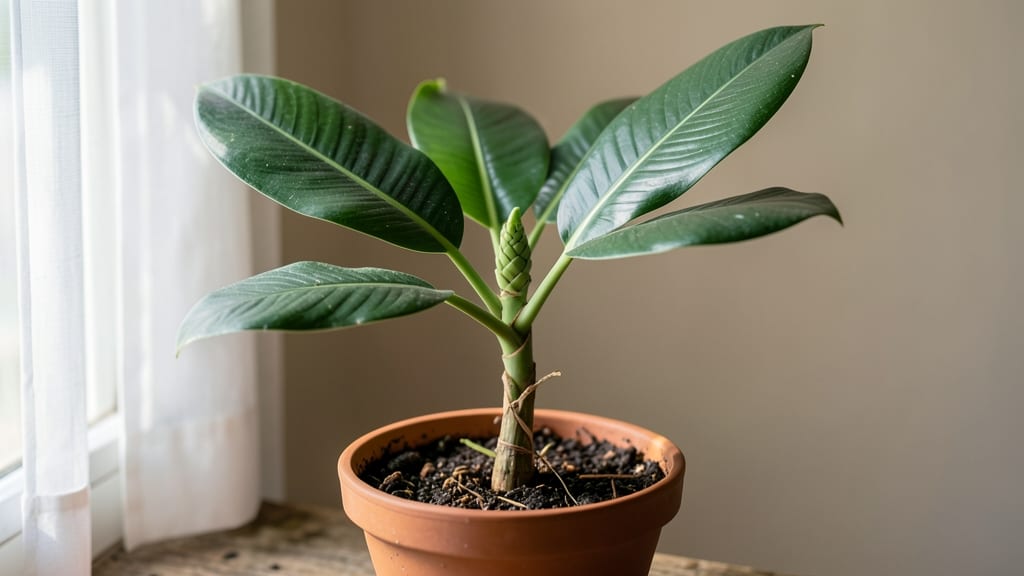
Growing the smallest banana plant, a Dwarf Cavendish, in a 15-gallon pot changed how I think about tropical plants. 🌱 This compact variety stays under 6 feet tall, making it perfect for patios, balconies, or even sunny windowsills—no jungle required.
The key? Choosing the right dwarf species and giving it the right conditions to thrive in small spaces without outgrowing its home.
The secret to keeping it small starts with the soil: well-draining, rich in organic matter, and slightly acidic (think coffee grounds mixed into potting soil). Place it in a spot with 6-8 hours of bright, indirect sunlight daily—direct midday sun can scorch those broad leaves.
Water when the top inch of soil feels dry, but never let it sit in soggy soil, or root rot will turn your tropical dream into a sad, yellow mess.
By winter, you’ll see the plant slow down as temperatures dip below 50°F, but with proper care, it’ll bounce back in spring with new fronds and even fruit—yes, these dwarfs produce edible bananas, though they’re sweetest when cooked.
The real magic? Watching it grow just enough to fill a pot beautifully without taking over your yard.
Cold snaps? Move it indoors near a sunny window. Need more space? Try a hanging basket for a dramatic vertical look.
These plants are forgiving, stylish, and surprisingly productive—once you get the basics right, they’ll reward you with lush foliage and a taste of the tropics, no matter how small your space.
📚 In This Guide
- What you need
- Instructions
- Tips and common mistakes
- Wrapping up and next steps
What you need
- ● Banana plant pups or seedlings: Choose a dwarf variety (e.g., Musa velutina or Dwarf Cavendish). Buy 1-2 healthy pups from a nursery or online.
- ● Container: A 5-gallon pot (minimum 12" deep) with drainage holes. Opt for fabric grow bags or ceramic pots for better aeration.
- ● High-quality potting mix: A well-draining blend (e.g., 60% coconut coir, 30% perlite, 10% compost). Avoid garden soil—it compacts too easily!
- ● Organic fertilizer: A balanced, slow-release fertilizer (e.g., 10-10-10 or banana-specific fertilizer) or compost tea for feeding.
- ● Watering can or hose with a gentle spray nozzle: Banana plants love moisture but hate soggy roots.
- ● Gloves: Protect your hands from thorns (especially on Musa velutina!).
- ● Pruning shears: For trimming dead leaves or adjusting size.
- ○ Mulch (optional): Shredded bark or straw to retain moisture and regulate temperature.
- ○ Support stake (optional): A 3-4 ft bamboo stake to help the plant stand upright as it grows.
- ○ Sunlight meter or app (optional): To track light exposure if indoors.
- ● A warm, sunny spot (6+ hours of direct light daily). Indoor growers: Place near a south-facing window or use a grow light.
- ● Consistent humidity: Aim for 50-70%. Use a humidifier or mist leaves if your climate is dry.
- ● Patience! Dwarf banana plants grow slower than their giant cousins but still need 1-2 years to produce fruit.
Step-by-step guide to growing compact banana varieties
These dwarf banana plants thrive in containers and small spaces—here's how to coax them along.
🌱 Step 1: Select the Right Mini Banana Variety
Start with a true dwarf variety like 'Dwarf Cavendish' or 'Red Dwarf'—these stay under 3 feet tall and produce edible fruit. Avoid regular banana plants; they'll outgrow containers quickly. I always check the plant tag for "compact" or "miniature" labels to avoid disappointment.
These varieties grow well in 5-gallon containers or larger, so don't worry about needing a yard. The key is choosing a variety bred for small spaces. You'll see them labeled in specialty nurseries or online plant shops that focus on dwarf tropicals.
🪴 Step 2: Prepare the Perfect Container Setup
Use a large container with drainage holes—at least 12 inches deep and 18 inches wide for each plant. I like to use fabric grow bags because they prevent root circling while still allowing airflow. Fill with a mix of 60% potting soil and 40% perlite or coconut coir for excellent drainage.
The soil needs to stay moist but never soggy—banana plants hate wet feet. Add a 2-inch layer of gravel at the bottom for extra drainage. This prevents root rot, which is the #1 killer of container banana plants. Water thoroughly after planting to settle the soil around the roots.
☀️ Step 3: Provide Warmth and Bright Light
Place your banana plant in a spot with bright, indirect light—think east or west-facing window or under grow lights for 12-14 hours daily. These plants love warmth, so keep temperatures between 70-85°F during the day and never below 60°F at night.
If you notice the leaves yellowing or the plant stretching toward the light, it's time to move it closer. Leggy growth means the plant isn't getting enough light. In cooler climates, bring the plant indoors near a sunny window during winter months—just avoid drafts.
💧 Step 4: Water and Fertilize for Compact Growth
Water when the top 2 inches of soil feel dry—usually 2-3 times per week in warm weather. Stick your finger in the soil to check; if it's dry at that depth, it's time to water. I always water deeply until it runs out the drainage holes, then let it drain completely before watering again.
Feed every 4-6 weeks with a balanced liquid fertilizer (10-10-10) diluted to half strength. This encourages lush growth without overwhelming the plant. In late summer, switch to a potassium-rich fertilizer to help the plant prepare for flowering. You'll see stronger stems and larger leaves within a few feedings.
✂️ Step 5: Prune and Maintain for Long-Term Health
Remove any yellow or damaged leaves with clean pruning shears to redirect the plant's energy. I also trim off any flower stalks that appear in the first year—saving energy for root and foliage growth. The goal is a bushy, compact plant that can handle fruit production later.
Rotate the container a quarter turn weekly so the plant grows evenly toward the light. This prevents it from leaning and keeps the foliage lush. In winter, reduce watering slightly but keep the soil lightly moist—banana plants go semi-dormant in cooler months.
Tips & tricks for growing compact banana plants
Here's what nobody tells you about keeping your dwarf banana plant thriving in tight spaces.
Variety Verification: Double-check that your "mini" banana plant is truly a dwarf variety like 'Dwarf Cavendish' by looking for the 3-foot height guarantee on the tag. Some nurseries mislabel regular banana pups as dwarf—ask for the botanical name if unsure. I learned this the hard way when my first "mini" grew to 6 feet in one season! These compact varieties have been specifically bred to stay small, so don't compromise on this step.
Container Upgrade: While the instructions mention 5-gallon containers, I recommend going up to 7 gallons for better stability and root growth—especially if you plan to harvest fruit. The extra space prevents root binding, which can stunt growth or even kill your plant. Fabric grow bags are ideal because they allow roots to breathe while preventing that dreaded circling pattern that strangles growth.
Lighting Hack: If your space only gets 4-6 hours of natural light daily, supplement with a 12-watt LED grow light placed 6 inches above the plant for the full 12-14 hours recommended. Position it so the light hits the plant from above—banana leaves grow toward the strongest light source. I keep mine on a timer to avoid overdoing it, which can actually burn the leaves.
Fertilizer Timing: The 4-6 week feeding schedule works perfectly, but here's the secret: split your fertilizer dose into two applications—half when you water, and half when you rotate the container. This mimics natural nutrient cycles and prevents salt buildup in the soil. In late summer, when switching to potassium-rich fertilizer, reduce the dose to quarter strength—too much potassium can actually inhibit flowering in some varieties.
Pro Tips for Smallest Banana Plant
- Here's what nobody tells you about keeping your dwarf banana plant thriving in tight spaces.
- Variety Verification: Double-check that your "mini" banana plant is truly a dwarf variety like 'Dwarf Cavendish' by l...
- Container Upgrade: While the instructions mention 5-gallon containers, I recommend going up to 7 gallons for better s...
Frequently asked questions
Got questions about growing the smallest banana plant varieties?
You’re not alone! Here are answers to the most common queries—from space-saving tips to care hacks—so you can enjoy your mini banana patch with confidence.
How much space do I really need for a dwarf banana plant?
A true dwarf banana plant (like Musa acuminata ‘Dwarf Cavendish’) thrives in 5-gallon containers or larger, with 3–4 feet of width for roots to spread. If you’re growing in-ground, a small raised bed (2’x2’) works, but avoid cramped pots—roots need room to breathe! For bonus compactness, prune suckers aggressively to keep the plant bushy.
How long does it take for a dwarf banana to produce fruit?
Patience is key! Most dwarf varieties take 12–18 months from planting to first fruit, but some (like Musa balbisiana ‘Ice Cream’) may flower sooner—around 9–12 months. Speed up fruiting by ensuring full sun (6+ hours/day), rich soil, and regular feeding with a banana-specific fertilizer (high in potassium and phosphorus). Pro tip: If your plant bolts to flower too early, it’s prioritizing reproduction over growth—give it more nutrients!
Can I grow a banana plant indoors year-round?
While possible, it’s tricky! Dwarf bananas need bright, indirect light (a south-facing window or grow lights) and warmth (70–85°F). Without enough light, they’ll grow leggy and weak. For indoor success:
- Use a large container (10+ gallons) for stability.
- Rotate the pot weekly for even light exposure.
- Mimic tropical humidity with a pebble tray or humidifier.
If you’re in a cold climate, overwinter indoors and move back outside in spring. Warning: Bananas are heavy—place pots near walls to prevent tipping!
What can I do if my dwarf banana plant isn’t flowering?
No flowers? Don’t panic! Common causes include:
- Insufficient sunlight: Move to a sunnier spot or supplement with grow lights.
- Young age: Wait until the plant is 2–3 feet tall with a sturdy pseudostem.
- Nutrient imbalance: Switch to a high-potassium fertilizer (like 5-10-10) and feed every 4–6 weeks.
- Stress: Avoid drastic temperature swings or overwatering.
For a quick boost, prune older leaves to redirect energy to flowering. If all else fails, try a hormone spray (like Flower Power) designed for tropical plants.
Are there alternatives to dwarf banana plants for tiny spaces?
If bananas feel too high-maintenance, try these low-space, edible tropical plants:
- Pineapple plants: Grow in containers, produce fruit in 1–2 years, and tolerate partial shade.
- Dwarf citrus (e.g., Calamondin or Meyer lemon): Compact, fragrant, and bear fruit annually.
- Strawberries (everbearing varieties): Thrives in hanging pots or small planters.
- Mini fig trees (e.g., ‘Little Miss Figgy’): Dwarf varieties stay under 3 feet and produce sweet fruit.
Each offers a unique harvest with minimal space!
Wrapping up and next steps
Growing the smallest banana plant is a rewarding way to bring tropical charm to your space—even if you’re short on room! 🌱 Whether you’re a beginner or a seasoned gardener, these compact varieties prove that big flavors (and fun!) don’t require big yards.
With the right care, you’ll enjoy lush foliage, edible fruit, and a unique conversation piece year after year.
Ready to take the next step? Start small—literally! Pick your favorite dwarf variety, gather your supplies, and give it a try. Who knows? You might just discover a new favorite plant (or snack!) for your balcony, patio, or indoor garden. Happy planting! 🌿