
Planting
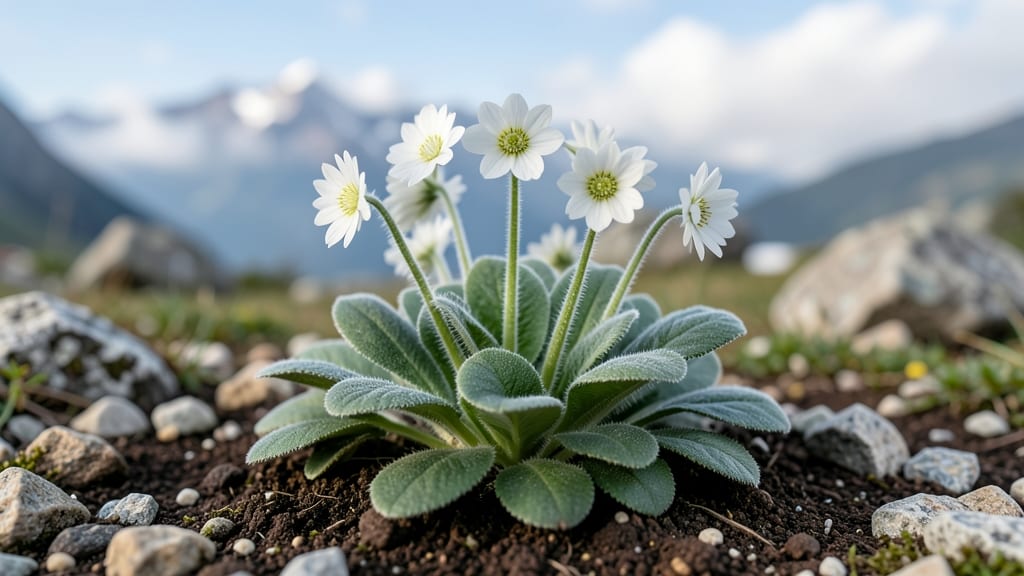
The snowy mountain plant beauty that transforms winter into a masterpiece. 🌿 These hardy plants—like edelweiss and mountain avens—thrive where most gardens freeze, their delicate blooms and silvery foliage standing out against snow. I’ve designed entire rock gardens around them, and they never disappoint, even in Zone 3 winters.
What makes them special? Their ability to handle freezing temps, thin soil, and harsh winds—perfect for slopes, raised beds, or even window boxes. Most need just 3-5 hours of sun and well-draining soil, making them low-maintenance stars.
The white and silver hues they bring create a serene, almost magical contrast to dark evergreens or bare branches.
Imagine a garden that stays stunning year-round, with edelweiss blooming in July and dwarf conifers keeping structure through snow. These plants don’t just survive winter—they thrive, turning cold climates into a showcase of resilience and beauty.
The key is grouping them with other alpine lovers like creeping thyme or moss for a cohesive look.
Whether you’re designing a full alpine slope or just adding a few pots to your patio, these plants deliver drama with minimal effort. They’re the secret weapon for gardeners who refuse to let winter dull their outdoor spaces. Let’s bring that mountain magic to your yard!
📚 In This Guide
- What you need
- Instructions
- Tips and common mistakes
- Wrapping up and next steps
What you need
- ● Alpine plants: 3–5 hardy species (e.g., Edelweiss, Alpine Phlox, or Saxifrage). Choose nursery-grown, established plants for best results.
- ● Well-draining soil mix: 2 parts potting soil + 1 part perlite + 1 part coarse sand (or pre-made alpine/cactus mix). Pro tip: 💡 Avoid heavy clay—it causes root rot!
- ● Gravel or grit: 1–2 inches (2.5–5 cm) of pea gravel or pumice to top-dress soil and improve drainage.
- ● Containers or raised beds: For containers: 6–12-inch (15–30 cm) pots with drainage holes (1 plant per 6-inch pot). Terracotta or fabric pots work best.
- ● For ground planting: A south-facing slope or raised bed with excellent drainage (elevate beds if your yard floods).
- ● Garden trowel or small hand shovel
- ● Gloves (garden or work gloves for protection)
- ● Watering can with a fine rose (or hose with a gentle spray nozzle)
- ○ pH testing kit (optional but helpful—aim for 6.0–7.0)
- ○ Mulch (optional): Fine bark or straw to retain moisture without smothering roots.
- ● Location: Full sun (6+ hours daily) and cold-hardy zone (USDA 3–7, depending on species). Avoid frost pockets!
- ● Water source: Drip irrigation or a watering schedule (alpine plants hate soggy roots).
- ● Patience: These plants grow slowly—don’t expect blooms for 1–2 years!
Step-by-Step guide to cultivating snowy mountain plants
Here’s how to bring these cold-hardy alpine beauties into your garden—no greenhouse needed.
🌱 Step 1: Select the Right Varieties for Your Climate
Snowy mountain plants thrive in USDA Zones 3-7, so focus on species like saxifrages, alpine phlox, or edelweiss—they handle frost like champions. I always check the plant tag for cold tolerance ratings; anything labeled below Zone 4 is your safest bet for northern gardens. These plants love rocky, well-draining soil, so mimic their natural habitat by choosing shallow-rooted varieties.
If you’re in a warmer zone, opt for cold-hardy hybrids like Saxifraga × urbium or Arenaria montana. These tolerate brief summer heat but still bloom like they’re on a Swiss mountaintop. Plant them in partial shade to prevent leaf scorch—even alpine plants have limits.
☀️ Step 2: Prepare the Perfect Alpine Garden Bed
Start with a raised bed or rocky mound to improve drainage—snowy mountain plants hate soggy roots. Mix 50% gritty potting soil with 50% coarse sand or perlite to replicate their natural rocky soil. I like to add a handful of crushed granite for extra drainage; it mimics the alpine gravel they grow in.
Site your bed where it gets morning sun and afternoon shade—this prevents heat stress while giving them enough light to bloom. Test the soil pH; alpine plants prefer slightly acidic to neutral (6.0-7.0). If your soil is heavy clay, amend it with composted pine bark to lighten it up.
🪴 Step 3: Plant with Precision for Long-Term Success
Space plants 6-12 inches apart, depending on the variety—smaller saxifrages need 6 inches, while larger phlox can handle 12 inches. Dig holes just deep enough to cover the root ball completely, but no deeper. Alpine plants rot easily if buried too deep, so I always check the root flare (where the stem meets the roots) to ensure it sits just above soil level. Tamp the soil gently around the roots to remove air pockets.
Water deeply once after planting, then let the soil dry out completely before watering again. Overwatering is the #1 killer of alpine plants—they’re used to dry, windy conditions. A drip irrigation system on a timer works best; it delivers moisture without drowning the roots.
✂️ Step 4: Maintain with Minimal Effort
Once established, alpine plants need very little care. Deadhead spent blooms in early summer to encourage a second flush of flowers, but don’t cut back the foliage—it protects the crown from winter freeze-thaw cycles. I mulch lightly with 1 inch of gravel in fall to insulate roots without smothering them.
Fertilize once in early spring with a balanced, slow-release fertilizer (10-10-10)—just a sprinkle around the base. Too much nitrogen makes alpine plants grow floppy and weak. Watch for aphids or slugs in damp weather; a spray of neem oil keeps pests at bay without harming the plants.
⏰ Step 5: Protect Over Winter for Next Year’s Blooms
Most alpine plants survive winter with no extra help, but a thin layer of straw mulch (1-2 inches) protects tender varieties from extreme cold. I avoid thick mulch—it traps moisture and causes rot. In Zone 3 or colder, mound extra soil or gravel around the base to create insulation.
Prune back dead or damaged foliage in late winter before new growth starts. This keeps the plant tidy and prevents disease. Alpine plants are perennial, so they’ll return year after year with bigger blooms and stronger growth—just give them consistent drainage and sunlight, and they’ll thrive.
Tips & tricks for perfect alpine plant cultivation
Here’s what nobody tells you about growing these delicate mountain beauties—tricks that’ll keep your alpine garden thriving for years.
Variety Selection: When choosing plants from Step 1, look for those labeled "alpine" or "rock garden" on the tag—these are specifically bred for cold tolerance. I’ve learned the hard way that regular garden varieties won’t survive our winters. Also, avoid plants with thick, fleshy leaves—they’re usually not true alpine species and won’t handle our conditions. For extra insurance, ask your nursery about plants that thrive in "exposed sites" or "windy locations."
Soil Texture Matters: In Step 2, don’t just mix sand and soil—think about the actual texture. I like to add a handful of small gravel (pea-sized) to my 50/50 mix for even better drainage. This mimics the rocky alpine environment where these plants evolved. You can also use perlite or pumice if you don’t have crushed granite. The key is creating a soil that drains so quickly these plants never sit in moisture longer than a few minutes after watering.
Planting Precision: When following Step 3’s spacing instructions, remember that alpine plants grow slowly and stay small. The 6-12 inch spacing gives them room to spread their roots wide rather than deep, which is how they naturally grow in rocky crevices. I always use a small trowel to create planting pockets rather than digging holes—this disturbs less of the surrounding soil and helps maintain proper drainage. After planting, give the soil a gentle shake to settle it around the roots without compacting.
Watering Wisdom: The deep watering after planting in Step 3 is crucial, but here’s what nobody mentions: let the soil dry out completely means completely. Stick your finger an inch into the soil—if it feels damp, wait another day. These plants are adapted to survive on what little moisture they get from meltwater and occasional rain. Overwatering is the silent killer of alpine gardens, causing root rot that’s often mistaken for winter damage.
Pro Tips for Snowy Mountain Plant
- Here’s what nobody tells you about growing these delicate mountain beauties—tricks that’ll keep your alpine garden thriving for years.
- Variety Selection: When choosing plants from Step 1, look for those labeled "alpine" or "rock garden" on the tag—these are specifically bred for cold tolerance.
- Soil Texture Matters: In Step 2, don’t just mix sand and soil—think about the actual texture.
Frequently asked questions
Got questions about nurturing snowy mountain plants? You’re not alone! Here are answers to the most common queries—from planting tips to troubleshooting—so you can keep your alpine beauty flourishing year-round.
What’s the best time of year to plant snowy mountain plants?
Plant in early spring or late fall when soil is cool but workable. Avoid summer heat, which can stress roots. If transplanting, do it on a cloudy day to reduce shock. Pro tip: Mulch lightly after planting to retain moisture and protect from temperature swings!
How do I protect snowy mountain plants from harsh winter conditions?
These hardy plants usually survive winter, but heavy snow or ice can damage stems. Gently brush off accumulation with a broom. For extra protection, add a thin layer of straw or pine needles around the base. Avoid heavy mulch—it can suffocate roots.
Why are my snowy mountain plant leaves turning yellow?
Yellowing leaves often signal overwatering or poor drainage. Ensure your soil is well-draining (mix in perlite or sand if needed) and water only when the top inch is dry. Check for root rot—if the soil smells sour, reduce watering immediately.
Can I grow snowy mountain plants in containers?
Use a container with drainage holes and a fast-draining alpine mix. Choose shallow pots (6–8 inches deep) to mimic their natural rocky habitat. Place in partial shade to prevent scorching. Bonus: Rotate pots occasionally for even growth!
What are some low-maintenance alternatives to snowy mountain plants?
If you want alpine-style beauty with less fuss, try:
- Sedum (succulent-like, drought-tolerant)
- Lavender (fragrant, thrives in poor soil)
- Creeping thyme (ground cover, heat-resistant)
- Ice plants (Delosperma) (colorful, salt-tolerant)
Wrapping up and next steps
Discovering the snowy mountain plant opens up a world of resilient alpine beauty that can transform even the coldest gardens into breathtaking landscapes. These hardy plants prove that nature thrives with adaptability, offering year-round charm and minimal fuss.
Whether you're a seasoned gardener or just starting, their care is straightforward—just embrace their love for crisp air and well-drained soil!
Ready to bring a touch of mountain magic to your space? Start small: pick one variety that excites you, gather your supplies, and give it a try! Watch as your snowy mountain plant flourishes, turning your outdoor (or indoor!) haven into a serene alpine retreat. Happy planting! ❄️🌿