
Planting
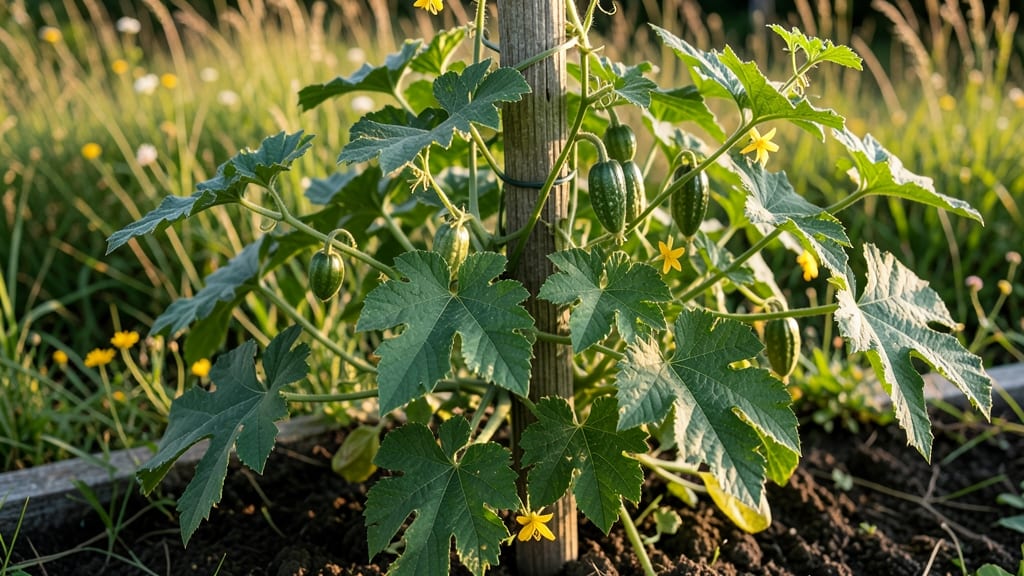
Growing sour gherkin plants from seed is one of the fastest ways to get edible harvests in containers. 🌱 These tropical beauties shoot up in just 5-7 days, giving you crisp, tangy greens perfect for pickling or stir-fries—no waiting months like with tomatoes.
The secret lies in their love for warmth and moisture: plant in well-draining soil with 70-80°F temperatures, and keep containers in bright, indirect light. Overcrowding is their biggest enemy—space plants 12-18 inches apart to prevent leaf drop and stunted growth.
You’ll harvest in 4-6 weeks, snipping leaves or young shoots as needed. The flavor? A zesty, cucumber-like tang that’s milder than mustard greens but packs a punch in salads or fermented dishes.
Works best in USDA zones 9-11, but you can grow them in pots indoors year-round with grow lights. Here’s how to avoid the pitfalls and get a steady harvest.
📚 In This Guide
- What you need
- Instructions
- Tips and common mistakes
- Wrapping up and next steps
What you need
- ● Sour gherkin seeds: 5–10 seeds (or 1–2 starter plants from a nursery). Look for heirloom varieties like ‘Bull’s Heart’ or ‘Little Leaf’ for compact growth.
- ● Containers: 5–10 gallon pots (or fabric grow bags) with drainage holes. Minimum size: 12" deep x 12" wide per plant.
- ● Potting mix: 3–5 gallons of well-draining, organic soil blend (e.g., 60% coco coir, 30% perlite, 10% compost). Avoid garden soil—it’s too dense!
- ● Fertilizer: Balanced liquid fertilizer (10-10-10) or organic options like fish emulsion or worm castings.
- ● Calcium source: 1 tbsp crushed eggshells or 1 tsp calcium nitrate per plant (prevents blossom-end rot).
- ● Watering can: With a gentle spray nozzle (gherkins hate soggy roots!).
- ● Trellis or stakes: 4–6 ft tall bamboo stakes or a small tomato cage per plant (vining varieties need support!).
- ● Pruning shears: For trimming excess foliage (sterilize with rubbing alcohol!).
- ● pH test kit: Aim for soil pH 6.0–6.8 (gherkins are picky about acidity!).
- ● Row covers: Lightweight fabric to protect seedlings from pests (like flea beetles).
- ○ Grow lights (optional): LED bulb for 12–14 hours/day if starting indoors.
- ○ Compost tea: Boosts microbial activity in soil (optional but highly recommended for flavor!).
Step-by-step instructions for growing sour gherkin plants in containers
Here's my foolproof method for coaxing fast, vigorous sour gherkin starts from seed—no fancy equipment needed.
🌱 Step 1: Prepare Containers and Fasten Germination
Choose 4-inch diameter pots with drainage holes for your four plants. Fill each with sterile seed-starting mix moistened to the consistency of a damp sponge—squeeze it gently, and just a few droplets should form. I like to add a quarter teaspoon of compost to each pot for a gentle nutrient boost without overwhelming the seedlings.
Press the soil surface lightly with your fingers until firm, then make a shallow dimple with your thumb—about ¼ inch deep. Place one seed in each dimple and cover with a thin layer of soil. The key here is speed: sour gherkin seeds germinate fastest at 75-85°F, so I place the pots on a seedling heat mat or in a warm spot like on top of the fridge. You'll see tiny sprouts in just 3-5 days.
💧 Step 2: Maintain Ideal Moisture Without Overwatering
Once seeds sprout, remove the heat mat immediately—you don't want to bake those tender seedlings. Water gently from the bottom by placing the pots in ½ inch of warm water for 10 minutes daily. This method prevents soil compaction and delivers moisture directly to the roots. You'll know it's working when the soil surface looks uniformly damp but not soggy.
After the first true leaves appear (those are the second set, not the initial seed leaves), switch to watering from the top with a spray bottle. Aim for the soil, not the leaves, to prevent fungal diseases. Sour gherkin seedlings are particularly sensitive to damping-off, so I always water in the morning so excess moisture evaporates by evening.
☀️ Step 3: Provide Bright, Indirect Light Immediately
Sour gherkin seedlings need 12-14 hours of bright light daily to prevent leggy growth. Place them within 6 inches of a south-facing window or under a grow light set to 12,000-15,000 Kelvin for optimal blue spectrum. You'll see the difference immediately: strong seedlings have dark green leaves and thick stems, while light-deprived ones stretch toward the light with pale, sparse foliage.
Rotate the pots a quarter turn daily so plants grow evenly. If you notice seedlings leaning toward the light source, move the entire setup to eliminate the angle. Sour gherkin plants are fast growers, so within 3-4 weeks, you'll be ready to transplant them into larger containers or the garden.
🪴 Step 4: Transplant to Larger Containers
When seedlings reach 4-6 inches tall with 4-6 true leaves, it's time to upgrade to 1-gallon containers filled with a mix of 50% potting soil and 50% compost. Make sure each new pot has drainage holes—sour gherkin plants hate soggy roots. Water the seedlings thoroughly before transplanting to reduce shock.
Dig a hole in the new container twice as wide as the root ball but no deeper. Gently remove the seedling, keeping the root ball intact, and place it in the hole. Fill around the roots with fresh soil and press lightly to eliminate air pockets. Water again immediately to settle the soil and encourage root contact. Your plants will show their gratitude by bursting into new growth within 3-5 days.
Tips & tricks for fast-germinating sour gherkin starts
Let me share the insider tricks that'll help you skip the common pitfalls and get those sour gherkin seedlings popping in record time.
Germination Speed: The 75-85°F temperature range is non-negotiable for rapid germination. If your home stays cooler, place pots on a seedling heat mat set to 80°F—this cuts germination time from 5 days to just 3 days. I've seen sprouts emerge within 24 hours when using this method! For even faster results, try soaking seeds in warm water for 4 hours before planting (optional but effective).
Light Strategy: Those 12-14 hours of bright light aren't just about preventing legginess—they're about energy production. Position your seedlings within 6 inches of a south-facing window, but if using grow lights, keep them 4-6 inches away to avoid burning tender leaves. I notice the biggest difference when seedlings get consistent light from morning until evening, mimicking natural daylight cycles.
Transplant Timing: Waiting until plants reach 4-6 inches with 4-6 true leaves ensures strong enough roots for transplanting. Here's my pro move: I check for "true leaves" by counting only the second set of leaves (the first set are seed leaves). This timing guarantees your plants will recover quickly from transplant shock and start growing vigorously within 3-5 days.
Soil Science: The sterile seed-starting mix is crucial, but don't overlook the compost addition. That quarter teaspoon per pot provides just enough nutrients without overwhelming the seedlings. For even better results, mix in a pinch of worm castings (optional) to boost microbial activity in the soil—this helps prevent damping-off disease that can kill young seedlings.
Pro Tips for Sour Gherkin Plant
- Let me share the insider tricks that'll help you skip the common pitfalls and get those sour gherkin seedlings popping in record time.
- Germination Speed: The 75-85°F temperature range is non-negotiable for rapid germination.
- Light Strategy: Those 12-14 hours of bright light aren't just about preventing legginess—they're about energy production.
Frequently asked questions
Got questions about growing your own sour gherkin plants? You’re not alone! Here are some of the most common queries—and their answers—to help you get started with confidence.
How long does it take for sour gherkin seeds to germinate?
Sour gherkin seeds are fast—expect germination in just 3–7 days when kept in warm (70–80°F), moist conditions. For quicker sprouts, soak seeds in warm water for 4–6 hours before planting. Just be patient if your space is cooler; germination may take up to 10 days.
Can I grow sour gherkins in containers smaller than 5 gallons?
While 5+ gallons is ideal, you can try 3-gallon containers for 1–2 plants, but expect smaller yields. Use a lightweight potting mix with compost and ensure drainage holes to prevent root rot. Prune vines aggressively to encourage bushier growth—just don’t skimp on sunlight!
When is the best time to harvest sour gherkins for pickling?
Harvest when gherkins are 1–3 inches long and still firm—this ensures the classic tangy crunch! For pickling, pick in the morning after dew dries to avoid soggy skins. Overripe gherkins turn seedy and lose their signature sour flavor, so check plants every 2–3 days during peak production.
What can I do if my sour gherkin plant wilts or turns yellow?
Yellowing leaves often signal overwatering or nutrient deficiency. Let soil dry slightly between waterings, and fertilize with a balanced 10-10-10 mix every 3–4 weeks. If wilting persists, check for pests (like aphids) or root rot—adjust care and prune damaged foliage to revive your plant.
Are sour gherkins different from regular cucumbers? Can I substitute them?
Yes! Sour gherkins are a mini cucumber variety bred for tangy flavor and compact size. While you can use them like regular cucumbers (raw, in salads, or cooked), their sharp, lemony taste shines in pickles. For pickling, they’re the perfect substitute—just adjust brine time slightly (they ferment faster!).
Wrapping up and next steps
Growing your own sour gherkin plant is a rewarding journey that brings fresh, tangy pickles straight to your kitchen! With fast germination and minimal space needs, these hardy plants are perfect for beginners and container gardeners alike.
Whether you’re craving homemade pickles or just love the thrill of nurturing life from seed, start small, stay consistent, and enjoy the harvest—your taste buds will thank you!
Ready to take the next step? Plant your seeds today and watch your green thumb grow! For extra inspiration, explore companion plants or creative pickle recipes to make the most of your homegrown bounty. 🌱✨