
Planting
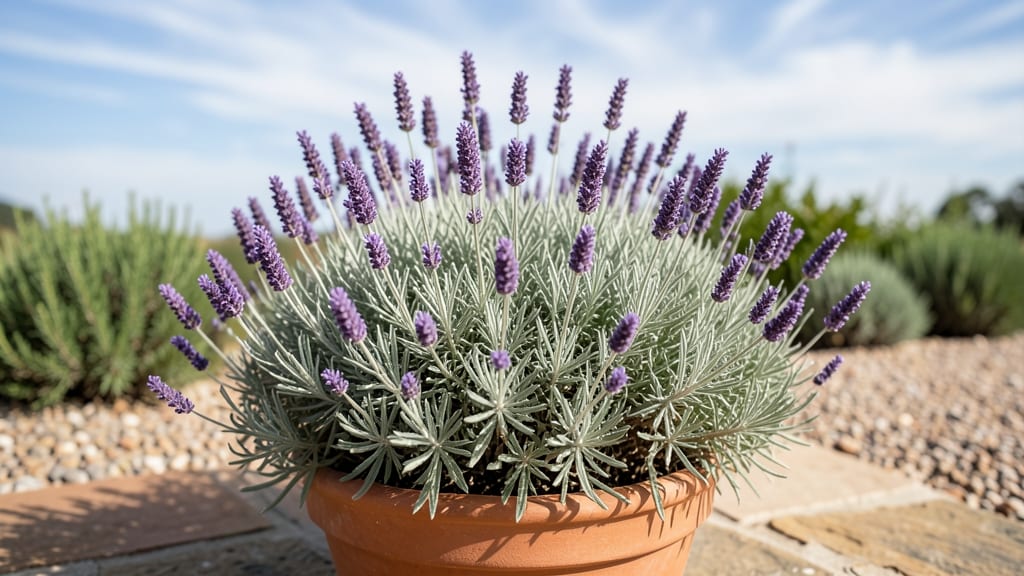
Growing the Spanish Eyes lavender plant transforms any sunny spot into a fragrant purple showstopper. 🌿 Its signature bracts—those striking "rabbit ears"—make it stand out, but the real magic is how well it handles heat and drought once established.
Unlike fussy annuals, this Mediterranean native thrives with minimal fuss, rewarding you with months of blooms and that signature lavender scent.
The secret to its success lies in well-draining soil and full sun—at least 6 hours daily. Sandy or gravelly mixes work best, and containers with drainage holes prevent soggy roots.
Water deeply but infrequently: once established, Spanish Eyes lavender can go weeks without a drink. Overwatering is the fastest way to kill it, so resist the urge to coddle.
By mid-summer, you’ll see those velvety purple blooms appear, followed by the iconic bracts that give this variety its name. Prune lightly after flowering to encourage bushier growth, and watch as it attracts pollinators while repelling pests.
The fragrance alone—stronger than other lavenders—makes it worth growing, even in containers on patios.
Perfect for Mediterranean climates, drought-prone gardens, or even cooler zones where it thrives in pots. With the right care, this lavender becomes a low-maintenance superstar that blooms reliably year after year. Here’s how to get started without the guesswork.
📚 In This Guide
- What you need
- Instructions
- Tips and common mistakes
- Wrapping up and next steps
What you need
- ● Spanish Eyes Lavender Plant: 1 nursery-grown plant (check for healthy, woody stems and vibrant purple blooms).
- ● Well-draining soil: 3–5 gallons of a mix designed for Mediterranean herbs or cacti/succulents (e.g., Espoma Organic Cactus Mix). Pro tip: Amend regular soil with perlite or coarse sand (1 part perlite to 3 parts soil) for optimal drainage! 💡
- ● Container (if not planting in-ground): 1 5–7 gallon pot with drainage holes (terracotta or fabric pots work best).
- ● Gravel or pebbles (1–2 inches) for the bottom layer of the pot.
- ● Sunlight access: A spot with 6+ hours of direct sunlight daily (morning sun is ideal to prevent scorching).
- ● Watering can or hose with a gentle spray nozzle.
- ● Garden trowel or small shovel (for in-ground planting).
- ● Pruning shears (sharp, clean pair for trimming after flowering).
- ● Organic fertilizer: 1–2 tbsp of low-nitrogen fertilizer (e.g., 10-10-10 or 5-10-10) or composted manure (apply sparingly, 2–3 times per year).
- ○ Mulch: Optional but helpful—use gravel or pebbles (not organic mulch) to retain heat and deter weeds.
- ● Drip irrigation system or soaker hose (for automated watering in drought-prone areas).
- ● Gloves (to protect hands from prickly stems).
Step-by-step instructions for growing Spanish Eyes lavender
This sun-loving lavender thrives with minimal fuss—just follow these precise steps for vibrant purple blooms.
🌱 Step 1: Choose the Right Location and Prepare the Soil
Spanish Eyes lavender demands full sun exposure—at least 6-8 hours daily. If your garden gets only partial sun, place it in the brightest spot available, even if it means a south-facing window or raised bed. The plant tolerates drought conditions, so well-draining soil is critical. Amend heavy clay with sand or gravel to prevent root rot, which this lavender variety is particularly susceptible to.
Test your soil’s drainage by digging a hole, filling it with water, and timing how long it takes to drain. If it holds water for more than 30 minutes, mix in 20% coarse sand or perlite to improve aeration. Spanish Eyes lavender thrives in slightly alkaline soil with a pH between 6.5-7.5. If your soil is acidic, add wood ash or crushed limestone to adjust it before planting.
🪴 Step 2: Plant at the Correct Depth and Spacing
Dig a hole twice as wide as the lavender’s root ball but only as deep as the container it came in. Planting too deep suffocates the roots, while planting too shallow exposes them to temperature swings. Gently remove the plant from its container, loosen the roots if they’re circling, and place it in the hole so the top of the root ball sits just below soil level. This ensures the plant doesn’t settle too deep over time.
Space plants 18-24 inches apart to allow airflow and prevent fungal diseases. Crowding leads to weak stems and reduced blooms—Spanish Eyes lavender needs room to grow upright and sturdy. Backfill the hole with soil, pressing lightly around the base to eliminate air pockets. Water deeply to settle the soil, but avoid compacting it further. This is the moment to add a slow-release fertilizer (like 10-10-10) if your soil is particularly poor, but skip it if your soil is already nutrient-rich.
☀️ Step 3: Water and Maintain for Optimal Growth
Water Spanish Eyes lavender deeply once a week during the first growing season, allowing the soil to dry out completely between waterings. Overwatering is the fastest way to kill this drought-tolerant plant—yellowing leaves or wilting stems are signs you’re watering too much. Once established, the plant requires almost no irrigation, making it ideal for low-maintenance gardens. Check soil moisture by sticking your finger 2 inches deep; if it feels dry, water thoroughly until it drains from the bottom of the pot or bed.
Prune spent blooms by cutting back one-third of the stem just above a set of healthy leaves after flowering. This encourages bushier growth and more abundant blooms next season. Avoid heavy pruning in late summer—Spanish Eyes lavender needs time to harden off before winter. In USDA Zones 5-8, mulch lightly around the base with gravel or coarse sand to protect roots from freezing temperatures while allowing excess moisture to evaporate.
✂️ Step 4: Harvest and Overwinter for Next Year’s Blooms
Harvest Spanish Eyes lavender when 70% of the buds are open—this captures the peak fragrance and color. Cut stems with sharp shears, leaving 4-6 inches of growth to ensure the plant regrows. Bundle and hang stems upside down in a dry, dark place for 2-3 weeks to cure. This process preserves the purple hue and intensifies the scent, making it perfect for potpourri or sachets.
In fall, trim back any dead or damaged foliage but avoid cutting into old wood. Spanish Eyes lavender is semi-evergreen in mild climates but may drop leaves in harsh winters. Apply a 2-inch layer of mulch around the base in late autumn to insulate roots, but keep it away from the stem to prevent rot. In colder zones, consider wrapping the plant with burlap or frost cloth if temperatures drop below 10°F. With proper care, your Spanish Eyes lavender will reward you with vibrant purple blooms for years.
Tips & tricks for growing Spanish Eyes lavender
These insider secrets will help you cultivate vibrant, fragrant blooms that thrive even in challenging conditions.
Sunlight Strategy: While Spanish Eyes lavender demands at least 6-8 hours of direct sunlight daily, I've found that morning sun paired with afternoon shade works surprisingly well in hotter climates. The key is to avoid the intense midday sun when temperatures exceed 90°F—this prevents leaf scorch while still providing the light intensity needed for those signature purple blooms. If you're container gardening, rotate pots weekly to ensure even sun exposure all around.
Soil Science: The 30-minute drainage test is your best friend when preparing soil for Spanish Eyes lavender. I've seen gardeners skip this step and end up with root rot within weeks. For heavy clay soils, I recommend mixing in 20% perlite by volume—not just sand, as sand can compact over time. The goal is to create a soil structure that mimics the Mediterranean conditions this lavender evolved in, where water drains quickly but nutrients remain available.
Planting Precision: When planting, resist the urge to bury the root ball too deeply—this is a common mistake that suffocates roots. The top of the root ball should sit just below soil level, no deeper. I've found that using a reference marker (like a popsicle stick) at planting time helps track settlement over the first few weeks. For container growing, ensure pots have drainage holes and use a cactus/succulent mix combined with perlite for optimal results.
Winter Protection: The 10°F threshold for cold protection is crucial for Spanish Eyes lavender in colder zones. I've had success using a combination of burlap wraps and a thick layer of straw mulch (3-4 inches) around the base rather than just frost cloth alone. The straw provides better insulation while allowing air circulation, which prevents moisture buildup that can lead to fungal issues. In particularly harsh winters, consider using a small Christmas tree branch framework to create an air pocket around the plant.
Pro Tips for Spanish Eyes Lavender Plant
- These insider secrets will help you cultivate vibrant, fragrant blooms that thrive even in challenging conditions.
- Sunlight Strategy: While Spanish Eyes lavender demands at least 6-8 hours of direct sunlight daily, I've found that morning sun paired with afternoon shade works surprisingly well in hotter climates.
- Soil Science: The 30-minute drainage test is your best friend when preparing soil for Spanish Eyes lavender.
Frequently asked questions
about growing and caring for Spanish Eyes Lavender—your go-to guide for troubleshooting, timing, and tips!What’s the best time of year to plant Spanish Eyes Lavender?
Plant Spanish Eyes Lavender in early spring or fall when temperatures are mild (50–75°F). Avoid extreme heat or frost, as young plants are sensitive. Spring planting gives roots time to establish before summer drought, while fall planting lets them settle before winter dormancy. Pro tip: If planting in summer, water deeply and mulch to protect roots!
How often should I water Spanish Eyes Lavender?
Once established, Spanish Eyes Lavender is drought-tolerant—water every 2–3 weeks (or less in rainy climates). New plants need weekly watering for the first month. Overwatering is the #1 killer—always let soil dry completely between waterings. Yellowing leaves? You’re likely overdoing it!
Can Spanish Eyes Lavender grow indoors, or is it strictly outdoor?
Spanish Eyes Lavender thrives outdoors but can survive indoors near sunny south-facing windows with 6+ hours of light daily. Use a well-draining pot (like terracotta) and avoid soggy soil. For best blooms, rotate the plant weekly to ensure even sunlight. Warning: Indoor lavender may bloom less vigorously than outdoor plants.
What pests or diseases should I watch for with Spanish Eyes Lavender?
Common issues include:
- Aphids/spider mites: Spray with water or neem oil if you spot sticky residue or tiny webs.
- Root rot: Caused by overwatering—ensure pots have drainage holes and soil dries between waterings.
- Powdery mildew: White dust on leaves? Improve airflow and avoid wetting foliage when watering.
How long does it take for Spanish Eyes Lavender to bloom?
With proper care, you’ll see first blooms in 6–12 months (often by late spring/early summer). Established plants may rebloom lightly in fall. Prune spent flowers to encourage more blooms next season. Patience pays off: Older plants (3+ years) produce the most vibrant purple flowers!
Wrapping up and next steps
Growing a Spanish Eyes lavender plant is a rewarding journey—whether you’re drawn to its striking purple blooms, drought-resistant charm, or soothing fragrance. With the right soil, sunlight, and a little TLC, this beauty thrives effortlessly, adding color and tranquility to your garden or patio.
Ready to elevate your green space? Start small with a single plant or expand your lavender collection—your future fragrant oasis awaits!
💡 Pro tip: Share your progress with fellow plant lovers or tag us in your lavender photos for extra inspiration!