
Planting
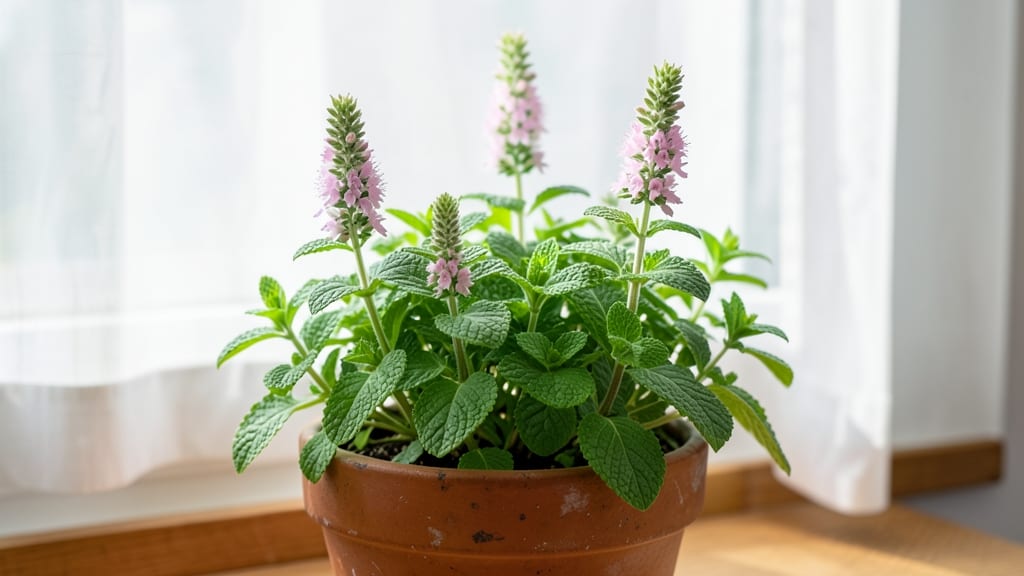
Spearmint plant flowers transform your garden into a fragrant oasis—just give them the right conditions. 🌿 I’ve grown spearmint for years, and the secret to those lacy purple blooms lies in sunlight, soil, and a little pruning know-how.
Most gardeners overlook how much spearmint responds to simple care, yet it’s one of the easiest herbs to coax into flowering. This hardy perennial thrives in partial shade to full sun, making it perfect for gardens where other herbs struggle.
Well-draining soil and consistent moisture are key—drought stress kills flowering faster than anything else. When you see those first delicate spikes in late summer, you’ll know you’ve hit the sweet spot between neglect and overcare.
Those flowers aren’t just pretty—they’re edible and attract bees, turning your patch into a pollinator magnet. Harvest leaves for tea or cooking, but leave some blooms to set seed for next year’s plants. The fragrance alone makes it worth growing, but the dual-purpose harvest is the real game-changer.
Works in containers or garden beds, and even tolerates light frost. Here’s how to keep yours blooming year after year—no green thumb required.
📚 In This Guide
- What you need
- Instructions
- Tips and common mistakes
- Wrapping up and next steps
What you need
- ● Spearmint seeds or seedlings: Seeds: 1 packet (about 50-100 seeds) for a small patch or 2-3 packets for a larger garden.
- ● OR 3-5 healthy spearmint seedlings (available at nurseries or garden centers).
- ● Well-draining potting mix or garden soil: 5-10 gallons for containers (depending on pot size).
- ● Enrich garden soil with compost (1-2 inches mixed into the top 6-12 inches of soil).
- ● Containers (if not planting in-ground): 1-2 containers per plant, at least 12 inches deep and wide (spearmint spreads!).
- ● Drainage holes are a must to prevent root rot.
- ● Watering can or hose with a gentle spray nozzle.
- ○ Fertilizer (optional but helpful): Balanced 10-10-10 fertilizer or organic options like compost tea or worm castings.
- ● Mulch (straw, shredded leaves, or pine needles): 2-3 inches to retain moisture and suppress weeds.
- ● Pruning shears: For trimming leggy stems or encouraging bushier growth.
- ● Support stakes or trellis: If you want to train vines vertically (spearmint can grow 2-3 feet tall!).
- ● Epsom salt (magnesium sulfate): A teaspoon dissolved in water every 4-6 weeks for lush foliage.
- ● Pest control: Neem oil or insecticidal soap (if aphids or spider mites become an issue).
- ● Gloves: To protect your hands while handling soil or pruning.
How to encourage spearmint flowers for fragrant vines
Spearmint’s delicate blooms aren’t just pretty—they boost flavor and attract pollinators. Here’s how to coax those flowers while keeping your plants lush.
☀️ Step 1: Choose the Right Light Conditions
Spearmint thrives in partial shade to full sun, but for the best flowering, aim for at least 4-6 hours of morning sunlight. Too much harsh afternoon sun can stress the plant, while too little shade delays blooms. I’ve found that a spot with dappled sunlight—like under a tree with filtered rays—produces the most abundant flowers.
Watch for signs of stress: if leaves yellow or wilt, your plant may be getting too much sun. Conversely, if it grows leggy with sparse foliage, it needs more light. Adjust placement gradually—spearmint adapts well to changes over a few weeks.
💧 Step 2: Water Consistently Without Overdoing It
Keep the soil evenly moist but never soggy—spearmint roots rot quickly in waterlogged conditions. Water deeply once or twice a week, depending on your climate, until water drains through the bottom of the pot or soil. I like to check moisture by sticking my finger 1 inch into the soil: if it feels dry, it’s time to water.
Overwatering is the biggest mistake here. I’ve seen spearmint plants collapse overnight from root rot, so always ensure pots have drainage holes. If your plant starts wilting despite regular watering, it might be time to repot into a larger container with fresh soil.
✂️ Step 3: Prune Regularly to Promote Flowering
Pinch back the tips of new growth when stems reach 6 inches tall to encourage bushier, more productive plants. This redirects energy from leaf growth to flower production. Use clean pruners or your fingers to snip just above a set of leaves—never cut more than one-third of the plant at a time.
Remove any spent flowers as soon as they fade (a process called deadheading). This prevents the plant from wasting energy on seed production and keeps it focused on new blooms. I deadhead my spearmint every 2-3 days during peak flowering season—it’s a small effort that pays off with continuous, vibrant flowers.
🌿 Step 4: Feed Lightly for Stronger Blooms
Use a balanced, water-soluble fertilizer (like 10-10-10) diluted to half-strength every 4-6 weeks during the growing season. Too much fertilizer can lead to lush foliage but fewer flowers. I mix mine with water and apply it to the soil after watering to avoid burning the roots.
Watch for signs of over-fertilizing: dark green leaves with sparse blooms or yellowing leaf edges. If this happens, flush the soil with plain water and reduce feeding frequency. Spearmint is forgiving but responds best to gentle care—think of it as a light touch rather than a heavy hand.
⏰ Step 5: Time Your Planting for Seasonal Blooms
Plant spearmint in early spring after the last frost date in your area. This gives the roots time to establish before summer’s heat. If you’re growing in containers, you can extend the season by bringing pots indoors before the first frost—spearmint tolerates indoor conditions surprisingly well.
Flowers typically appear 6-8 weeks after planting, but this varies with light and temperature. In cooler climates, you might see blooms later in the season. If your spearmint isn’t flowering by late summer, it may need more sunlight or a light trim to stimulate new growth.
Tips & tricks for encouraging spearmint blooms
Here's what I've learned after watching spearmint plants transform from leafy stalks to fragrant flowering vines.
Light Strategy: If you're working with containers, rotate them quarter-turns every few days to ensure even exposure to those critical 4-6 hours of morning sunlight. This prevents one-sided growth where the plant leans toward the light source. I've seen spearmint plants grow completely lopsided when left in one position—trust me, it's not pretty! The goal is balanced growth that produces flowers all along the stems, not just on one side.
Watering Wisdom: The 1-inch soil moisture check is your best friend, but here's the real secret: water in the morning. This gives the roots time to absorb moisture before the heat of the day. I've noticed my spearmint plants handle the once or twice weekly watering schedule much better when I water early—it reduces the risk of fungal issues that come from damp leaves overnight.
Pruning Precision: When you're pinching back those 6-inch stems, look for the first set of true leaves (not the tiny seed leaves at the very bottom). This is where new growth will emerge most vigorously. I've made the mistake of pinching too high, which creates leggy growth that never flowers well. Also, use sharp scissors or clean pruners—dull tools crush stems and invite disease.
Fertilizer Timing: That 4-6 week feeding schedule is perfect, but here's the key: stop fertilizing completely after mid-summer. I've learned this the hard way—spearmint plants that get fertilizer too late in the season often produce fewer flowers the following year. The plant needs time to harden off and prepare for dormancy. Think of it as giving your spearmint a light dinner rather than a heavy meal before bedtime.
Pro Tips for Spearmint Plant Flowers
- Here's what I've learned after watching spearmint plants transform from leafy stalks to fragrant flowering vines.
- Light Strategy: If you're working with containers, rotate them quarter-turns every few days to ensure even exposure to those critical 4-6 hours of morning sunlight.
- Watering Wisdom: The 1-inch soil moisture check is your best friend, but here's the real secret: water in the morning.
Frequently asked questions
Got questions about growing and enjoying spearmint plant flowers? You’re not alone! Here are some of the most common queries—plus quick, practical answers to help you cultivate a thriving, fragrant garden.
Do spearmint plants actually produce flowers?
Yes! Spearmint plants bloom with delicate, lavender or white flowers in late spring to summer. While the flowers aren’t the main attraction (the leaves are!), they’re a beautiful bonus. If you’re growing spearmint for culinary use, you can snip the flowers to encourage more leafy growth.
How long does it take for spearmint to flower?
Spearmint typically flowers within 60–90 days of planting, depending on your climate and growing conditions. In warmer regions, you might see flowers as early as late spring, while cooler areas may delay blooming until summer. Pinching back the stems can sometimes delay flowering and boost leaf production.
Can I still harvest spearmint leaves after it flowers?
While flowering signals maturity, you can continue harvesting leaves—just avoid over-pruning the flowering stems. For a longer harvest season, deadhead spent blooms to redirect energy back to the leaves. Pro tip: Harvest in the morning for the strongest flavor!
What if my spearmint isn’t flowering?
Several factors could be at play:
- Insufficient sunlight: Spearmint needs 4–6 hours of sun daily. If it’s in deep shade, move it to a brighter spot.
- Over-fertilization: Too much nitrogen promotes leafy growth but stunts flowering. Use a balanced fertilizer instead.
- Young plant: Spearmint may not flower until it’s well-established (3–4 months old).
Can I use spearmint flowers in tea or cooking?
While spearmint flowers are edible and aromatic, they’re milder in flavor than the leaves. You can infuse them in tea for a subtle floral note or use them as a garnish for desserts. However, most chefs and herbalists focus on the leaves for bold spearmint flavor. Harvest flowers early for the best taste!
Wrapping up and next steps
Growing spearmint plant flowers is a rewarding journey that brings fragrant beauty to your garden—whether in sunlit patches or shady corners! 🌿 With the right soil, watering routine, and a little patience, you’ll enjoy lush foliage and delicate blooms that attract pollinators.
Remember, spearmint thrives on adaptability, so don’t hesitate to experiment with placement and care.
Ready to take the next step? Start small—plant a few spearmint cuttings or seeds in a pot or garden bed, and watch your green thumb grow! Share your progress with fellow gardeners or explore other mint varieties to expand your aromatic collection. Happy gardening! 🌱