
Planting
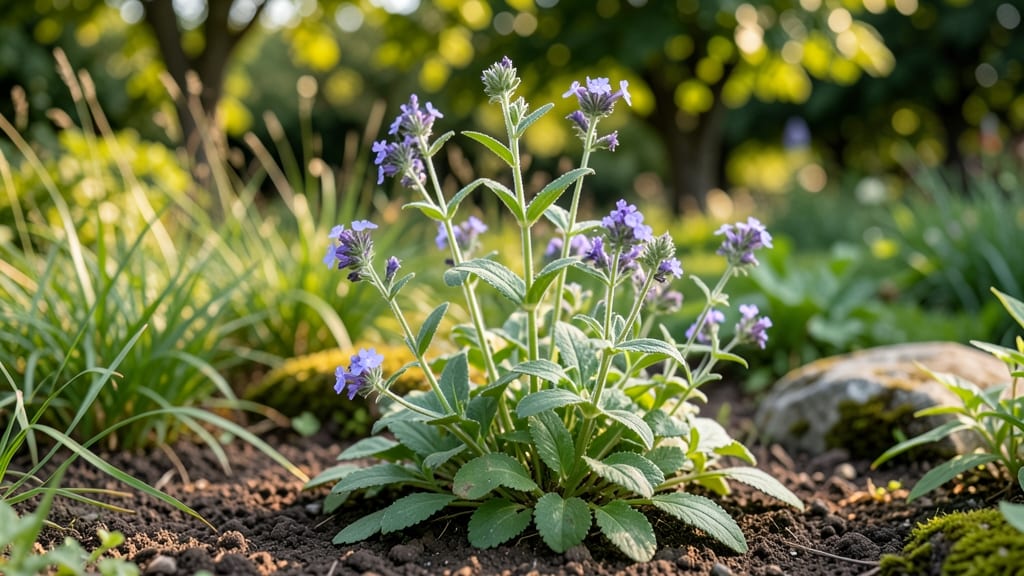
Those glossy speedwell plant leaves turn your shady corners into lush privacy screens in just 2-3 seasons—but those vibrant green leaves can tell you exactly what’s wrong before you even see pests or spots. 🌿 I’ve nursed back more than my fair share of struggling speedwell vines, and the first step is always reading between the leaves: Are they yellowing?
Spotted? Or just wilting like a sad houseplant?
The most common culprits are powdery mildew (that white dusty coating) and spider mites (tiny webs on undersides), but overwatering and nutrient deficiencies show up too. Speedwell’s fast growth means it’s forgiving, but neglect leads to weak stems and sparse foliage.
The good news? Most issues fix with simple adjustments—better airflow, targeted sprays, or a balanced fertilizer.
By the end of this, you’ll spot problems early and keep your speedwell thriving with minimal fuss. We’ll cover organic fixes first (like neem oil for pests) and when to pull out the big guns—because even shade-loving plants need a little TLC sometimes.
Works for Veronica spp. in every shade garden, from fences to trellises. Let’s get those leaves looking their best again!
📚 In This Guide
- What you need
- Instructions
- Tips and common mistakes
- Wrapping up and next steps
What you need
- ● Speedwell plant (Veronica spp.) – Choose Veronica officinalis (common speedwell) or Veronica longifolia (great for vertical growth). Buy 1-3 plants (or seeds) per 3-5 ft of space.
- ● Well-draining potting mix – 5 gallons (for containers) or 1 cubic yard (for in-ground planting). Mix with 20-30% perlite or compost for aeration.
- ● Organic fertilizer – Balanced 10-10-10 (1 tbsp per plant) or compost tea for nutrient-rich soil.
- ● Garden trowel or shovel – For digging holes (6-8 inches deep and 12 inches wide).
- ● Pruning shears – To trim leggy growth or shape vines (sharp, sterilized blades recommended).
- ● Garden gloves – Protect your hands from soil and thorns (if using Veronica longifolia).
- ● Watering can or hose with nozzle – 1-2 gallons per plant for initial watering.
- ○ Mulch (optional but helpful) – 2-3 inches of shredded bark or straw to retain moisture and suppress weeds.
- ● Trellis or obelisk – For vertical growth (speedwell climbs 3-6 feet!). Use galvanized metal or sturdy wood.
- ● Slow-release fertilizer tablets – Place 1-2 tablets per plant at planting time for 3-4 months of nutrients.
- ● Soil pH test kit – Speedwell thrives in slightly acidic to neutral soil (pH 6.0-7.0). Adjust with lime or sulfur if needed.
- ● Shade cloth (if needed) – For seedlings in partial shade (use 30-50% coverage).
Step-by-Step guide to cultivating speedwell for lush privacy
Here's how to grow this shade-loving vine quickly—no sun required.
🌱 Step 1: Select the Right Location and Prepare the Soil
Speedwell thrives in partial to full shade, making it perfect for north-facing walls or dense woodland edges. Choose a spot where it will receive 3-6 hours of dappled sunlight daily—direct afternoon sun can scorch the delicate foliage. The soil should be well-draining yet moisture-retentive, so amend heavy clay with compost or peat moss to improve aeration.
Test the soil pH—speedwell prefers slightly acidic to neutral (6.0-7.0). If your soil is alkaline, mix in sulfur or pine needles a few weeks before planting to adjust the pH gradually. I like to work in a 2-inch layer of organic mulch after planting to suppress weeds and maintain even moisture.
🌿 Step 2: Plant Speedwell Cuttings or Transplants
For fastest results, propagate from softwood cuttings taken in early summer. Select 4-6 inch stems with 3-4 leaf nodes, then strip the lower leaves to expose the nodes. Dip the cut end in rooting hormone to encourage faster root development before planting into moist potting mix or directly into the prepared garden bed.
Space plants 12-18 inches apart—closer spacing encourages faster ground cover but may require more frequent pruning. Water deeply after planting to settle the soil and eliminate air pockets around the roots. You’ll see new growth within 2-3 weeks if conditions are ideal, signaling successful establishment.
☀️ Step 3: Maintain Moisture and Fertility for Rapid Growth
Speedwell’s fast growth depends on consistent moisture—water 1-2 inches per week, more during dry spells. The soil should feel slightly damp 1-2 inches below the surface at all times. Overwatering can lead to root rot, so ensure containers or beds have adequate drainage. A 5-10-5 fertilizer applied every 4-6 weeks during the growing season promotes lush foliage.
Watch for yellowing leaves, which often indicate overwatering or nutrient deficiency. If this happens, reduce watering slightly and apply a balanced liquid fertilizer to revive the plant. Speedwell responds well to regular pruning—trim back leggy growth in early summer to encourage bushier, denser coverage.
✂️ Step 4: Prune and Train for Maximum Privacy
To create a dense privacy screen, prune speedwell twice a year: once in early spring to shape the plant and again in mid-summer to control height. Remove weak or crossing stems to improve airflow and reduce disease risk. You can also weave vines through a trellis or fence to guide growth vertically, creating a faster privacy barrier.
Deadhead spent flowers in late summer to redirect the plant’s energy into leafy growth rather than seed production. If left unchecked, speedwell can self-seed aggressively—remove seed pods promptly if you want to control its spread. With proper care, you’ll see full coverage in 2-3 seasons, making it one of the fastest shade-tolerant options.
Tips & tricks for cultivating speedwell for privacy
These pro strategies will help you accelerate growth and troubleshoot common challenges with your shade-loving vine.
Light Management: The 3-6 hours of dappled sunlight mentioned in Step 1 is ideal, but don't overlook the importance of morning sun exposure. East-facing locations provide perfect gentle light without the risk of afternoon scorching. If your garden only receives less than 3 hours of light, consider supplementing with a grow light for 4-6 hours daily during early growth stages to maintain vigor.
Soil Preparation Secret: When amending heavy clay soils as suggested in Step 1, I recommend adding a handful of perlite to the compost mix. This creates tiny air pockets that improve drainage while retaining moisture—critical for speedwell's delicate roots. The 2-inch mulch layer should be refreshed annually to maintain its weed-suppressing benefits and moisture retention.
Cutting Propagation Hack: For Step 2, take your softwood cuttings in the morning when stems are fully hydrated. After dipping in rooting hormone, place cuttings in a container of water for 24 hours before planting. This pre-soaking period significantly boosts root development time, helping you achieve that 2-3 week growth window faster. Monitor the water level closely—it should never completely cover the nodes.
Watering Wisdom: The 1-2 inches per week guideline in Step 3 works well, but I've found that watering in the early morning allows foliage to dry completely before evening. This simple adjustment prevents fungal issues that can develop in consistently damp conditions. During extreme heat, increase to 2-3 inches per week while maintaining that slightly damp soil check at 1-2 inches depth.
Pro Tips for Speedwell Plant Leaves
- These pro strategies will help you accelerate growth and troubleshoot common challenges with your shade-loving vine.
- Light Management: The 3-6 hours of dappled sunlight mentioned in Step 1 is ideal, but don't overlook the importance of morning sun exposure.
- Soil Preparation Secret: When amending heavy clay soils as suggested in Step 1, I recommend adding a handful of perlite to the compost mix.
Frequently asked questions
Can speedwell plant leaves be used for cooking?
The leaves of Speedwell (Veronica) are generally not edible and may even be toxic if ingested. While some ornamental varieties are non-toxic, it’s best to avoid using them in cooking. Stick to proven edible plants like basil or mint for culinary use!
How fast do speedwell plant leaves grow?
Speedwell is a fast-growing vine, especially in ideal conditions (partial shade, moist soil). You can expect noticeable growth within 4-6 weeks after planting, with full coverage in 1-2 seasons for dense foliage. Prune regularly to encourage bushier growth!
Are speedwell plant leaves safe for pets?
While speedwell is non-toxic to pets, some varieties may cause mild stomach upset if ingested in large amounts. Monitor your pets if they nibble on leaves. For pet-safe alternatives, consider clematis or ivy (non-toxic types) for shade gardens.
Why are my speedwell plant leaves turning yellow?
Yellowing leaves (chlorosis) often signal overwatering, poor drainage, or nutrient deficiency. Check soil moisture—speedwell prefers consistently moist but well-draining soil. Amend with compost or adjust watering to revive the plant.
What’s a good alternative to speedwell for shade privacy?
If speedwell isn’t your style, try:
- Hosta – Lush foliage, shade-tolerant
- English Ivy – Fast-growing, hardy
- Clematis – Climbing vine with vibrant blooms
- Ferns – Texture and low-light adaptability
Wrapping up and next steps
Ready to transform your shady garden into a lush, private retreat? Speedwell plant leaves offer a fast-growing, low-maintenance solution that thrives in low light—perfect for adding greenery and privacy with minimal effort. 🌿 Whether you're a seasoned gardener or just starting, this versatile vine is a game-changer for shade-loving spaces.
Now that you’re armed with the how-tos and FAQs, it’s time to roll up your sleeves and get planting! Start small—try a section of your garden or a container—and watch your Speedwell vine flourish. Soon, you’ll be enjoying the serene, shaded oasis you’ve always dreamed of. Happy gardening! 🌱