
Planting
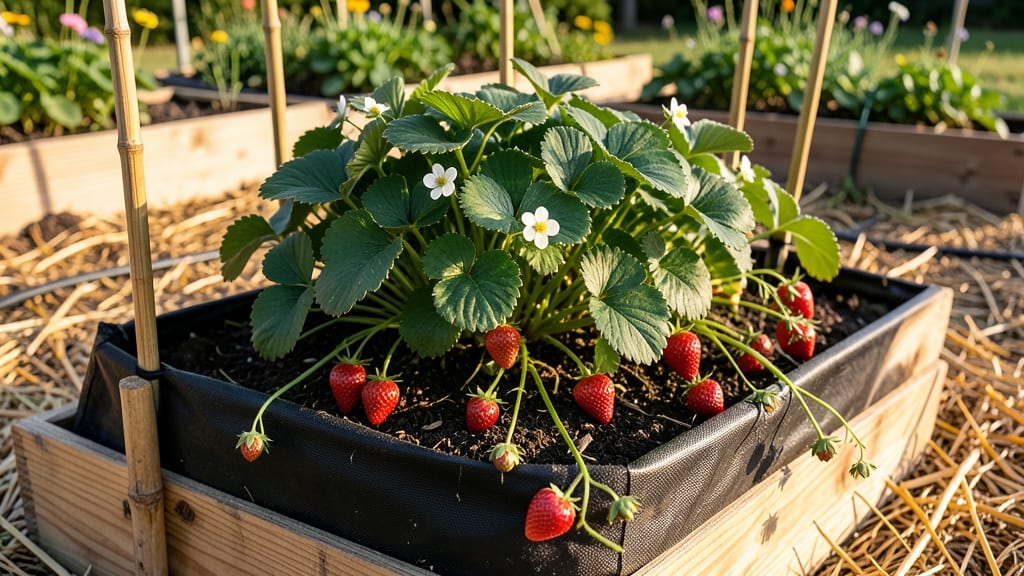
Growing strawberries in Oklahoma means choosing varieties that thrive in 90-degree summers and still deliver sweet berries. 🌱 My first Oklahoma garden failed with traditional June-bearing types, but switching to day-neutral varieties like 'Seascape' or 'Tristar' changed everything—now we harvest from spring through fall.
The key is timing: plant bare-root crowns in early spring (February-March) or fall (September-October) when soil temps are mild. Oklahoma’s clay-heavy soil needs 2-3 inches of compost mixed in, and raised beds help with drainage. Mulch with straw to keep roots cool and berries clean.
You’ll see first berries in 6-8 weeks with day-neutral types, and plants last 3-4 years with proper care. The biggest challenge here is fungal diseases like gray mold—water at the base, avoid overhead sprinklers, and space plants 18-24 inches apart for airflow.
For Oklahoma-specific help, check the Oklahoma Cooperative Extension Service or local nurseries like Oklahoma City’s Planting Fields. Their local advice beats generic guides every time.
📚 In This Guide
- What you need
- Instructions
- Tips and common mistakes
- Wrapping up and next steps
What you need
- ● Heat-tolerant strawberry plants: Choose varieties like Albion, Chandler, or Seascape (6–12 plants, depending on space). Opt for June-bearing or everbearing types for year-round harvests.
- ● Well-draining soil: Mix in compost (1–2 bags per 10 sq ft) or aged manure to improve fertility. Oklahoma’s clay soil? Amend with sand or perlite (5–10 gallons per bed).
- ● Mulch: Straw (2–3 bales) or pine straw (10–15 lbs) to retain moisture and regulate soil temp.
- ● Drip irrigation or soaker hoses: 10–20 ft of tubing (adjust for bed size) to deliver consistent water without wetting foliage.
- ● Fertilizer: Balanced 10-10-10 (1 lb per 100 sq ft) at planting, plus low-nitrogen, high-phosphorus (e.g., 5-10-10) mid-season.
- ○ Shade cloth (optional but recommended): 30–50% shade fabric (10–20 sq ft) for afternoon sun protection during Oklahoma’s peak heat (90°F+).
- ● Garden gloves (1 pair) and knee pads (for comfort).
- ● Trowel or hand shovel (for transplanting).
- ● Pruners (sharp, for trimming runners and dead foliage).
- ● Rake or hoe (to loosen soil and remove weeds).
- ● pH test kit (to ensure soil pH is 5.5–6.5; amend with lime or sulfur if needed).
- ● Row covers or frost blankets (lightweight, for spring/fall protection).
- ● Full sun exposure: At least 6–8 hours of sunlight daily (morning sun + afternoon shade in summer).
- ● Proper spacing: 12–18 inches apart in rows 2–3 feet apart for airflow.
- ● Water access: Strawberries need 1–1.5 inches of water weekly (more in heatwaves).
- ● Pest/disease prevention: Monitor for spider mites and gray mold; keep garden clean and avoid overhead watering.
Step-by-step guide to growing heat-tolerant strawberries in Oklahoma
Oklahoma’s intense summers demand the right strawberry varieties and techniques. Here’s how to grow sweet, productive berries year-round.
🌱 Step 1: Select the Right Varieties for Oklahoma’s Climate
Choose everbearing or day-neutral varieties like ‘Chandler,’ ‘Seascape,’ or ‘Fort Laramie’—they thrive in Oklahoma’s heat and produce fruit in spring and fall. June-bearing types like ‘Jewel’ or ‘Ozark Beauty’ work too, but they need winter dormancy. Avoid traditional June-bearing varieties like ‘Albion’ unless you’re willing to manage summer dormancy.
Buy bare-root plants in early spring or fall from a reputable nursery. I always check for firm crowns and healthy roots—avoid plants with mushy stems or yellowing leaves. Plant them as soon as possible to establish roots before Oklahoma’s summer heat peaks.
☀️ Step 2: Prepare the Planting Site for Heat and Drought
Strawberries need well-draining soil with a pH between 5.5 and 6.5. Oklahoma’s clay-heavy soil can suffocate roots, so I mix in 2-3 inches of compost and 1 inch of coarse sand to improve drainage. Spread a 2-inch layer of mulch (straw or pine needles) to retain moisture and keep berries clean.
Plant in a location with morning sun and afternoon shade—this protects fruit from scorching. If you’re growing in containers, use large pots (at least 12 inches deep) with drainage holes. Oklahoma’s summer heat can bake roots in small containers, so I always place pots on elevated stands to improve airflow.
💧 Step 3: Water Deeply and Consistently to Beat the Heat
Water deeply 1-2 times per week, aiming for 1 inch of moisture per week. Oklahoma’s dry winds evaporate water fast, so I use drip irrigation to deliver water directly to the roots without wetting leaves (which encourages disease). Water in the early morning to reduce evaporation and fungal risks.
Let the top 2 inches of soil dry out between waterings—this prevents root rot while keeping plants hydrated. If you see wilting leaves or small, hard berries, it’s a sign of underwatering. Mulch helps, but don’t skip watering entirely—strawberries need steady moisture, especially during Oklahoma’s brutal summers.
✂️ Step 4: Prune and Maintain for Year-Round Productivity
Remove old leaves and runners in late summer to redirect energy into fruit production. I also trim back foliage after the first harvest to improve airflow and reduce heat stress. For everbearing varieties, pinch off the first set of flowers in early spring to encourage stronger plants before the summer heat arrives.
Fertilize lightly in early spring with a balanced 10-10-10 fertilizer—too much nitrogen leads to leafy growth at the expense of fruit. I also add Epsom salt (1 tablespoon per plant) every 4-6 weeks to boost magnesium, which helps with heat tolerance.
🪴 Step 5: Protect Berries from Oklahoma’s Pests and Heat Stress
Watch for spider mites and aphids—they thrive in Oklahoma’s heat. I spray plants with neem oil every 2 weeks as a preventative. For birds, cover plants with floating row covers when berries ripen. If a plant looks stunted or yellow, it might be struggling with heat stress—move it to a shadier spot temporarily.
Harvest berries when fully red and slightly soft—they won’t ripen further off the plant. I pick in the early morning when they’re coolest to preserve flavor. Store them in the fridge for up to 3 days, but eat them fresh—they’re sweeter straight from the vine.
Tips & tricks for growing heat-tolerant strawberries in Oklahoma
These practical insights will help you navigate Oklahoma's unique climate challenges and maximize your strawberry harvest.
Variety Selection: When choosing between everbearing ('Chandler', 'Seascape') and June-bearing ('Jewel', 'Ozark Beauty') varieties, remember that everbearing types produce fruit in both spring and fall, making them ideal for Oklahoma's extended growing season. For June-bearing varieties, focus on planting in early spring to establish strong roots before summer heat arrives—this gives them the best chance to survive dormancy periods. The key is matching your variety to your specific microclimate within Oklahoma.
Soil Preparation Strategy: Oklahoma's clay-heavy soil requires special attention. The 2-3 inches of compost and 1 inch of coarse sand recommendation isn't just about drainage—it's about creating an air pocket system that mimics the loose, well-draining conditions strawberries thrive in. I've found that adding a handful of perlite to the mix further improves moisture retention during Oklahoma's dry spells. This soil mix should be worked into the top 12 inches of your planting area for maximum benefit.
Watering System: The 1-2 times per week watering schedule can be tricky in Oklahoma's heat. I've had success using soaker hoses placed along the rows, which deliver water directly to the roots without wetting foliage. For container growers, water when the top 2 inches of soil feel dry to the touch—this prevents both underwatering and overwatering. Remember, Oklahoma's dry winds can evaporate moisture quickly, so always water in the early morning to give plants the best chance to absorb moisture before the heat peaks.
Heat Stress Management: When you notice stunted growth or yellowing leaves, it's often a sign of heat stress. Move affected plants to a location with afternoon shade immediately—this can make all the difference during Oklahoma's hottest months. I've also found that misting plants lightly in the early morning can provide temporary relief while you work on long-term solutions like improving soil drainage or adjusting planting locations. This approach helps maintain plant health without creating conditions that promote fungal diseases.
Pro Tips for Strawberries In Oklahoma
- These practical insights will help you navigate Oklahoma's unique climate challenges and maximize your strawberry harvest.
- For June-bearing varieties, focus on planting in early spring to establish strong roots before summer heat arrives—this gives them the best chance to survive dormancy periods.
- Soil Preparation Strategy: Oklahoma's clay-heavy soil requires special attention.
Frequently asked questions
Got questions about growing strawberries in Oklahoma? You’re not alone—this sunny state’s heat and humidity can make strawberry cultivation a unique challenge! Here are some of the most common questions (and answers) to help you get started or troubleshoot along the way.
What’s the best time to plant strawberries in Oklahoma?
For June-bearing varieties, plant in early spring (February–March) or late summer (August–September) to avoid extreme heat. Ever-bearing and day-neutral types thrive when planted in fall (September–October), giving you a longer harvest window. Oklahoma’s mild winters (Zones 6–8) make fall planting ideal for many growers!
Can I grow strawberries in Oklahoma’s heat year-round?
While Oklahoma’s summers are too hot for traditional strawberries (they prefer cooler temps), heat-tolerant varieties like ‘Camarosa,’ ‘Albion,’ or ‘Seascape’ can survive with shade cloth, mulch, and consistent watering. For true year-round harvests, consider container gardening or a high-tunnel greenhouse to regulate temperatures.
What pests or diseases should I watch for in Oklahoma strawberries?
Oklahoma growers often battle spider mites, aphids, and slugs (especially in humid summers). Fungal diseases like gray mold (Botrytis) and leaf spot thrive in wet conditions—prune for airflow and apply copper fungicide preventatively. Birds love ripe strawberries, so use netting or reflective tape to deter them!
Why aren’t my Oklahoma-grown strawberries sweet?
Heat stress, over-fertilizing with nitrogen, or lack of sunlight can dull flavor. For sweeter berries:
- Use a balanced fertilizer (10-10-10) and reduce nitrogen after fruiting.
- Ensure 6+ hours of sunlight daily—Oklahoma’s intense sun is great, but afternoon shade helps in peak summer.
- Harvest when fully red and slightly soft—don’t wait for them to overripe!
Are there Oklahoma-friendly strawberry alternatives if traditional varieties fail?
Yes! Try heat-resistant hybrids like:
- ‘Chandler’ – Disease-resistant and productive in heat.
- ‘Fort Laramie’ – Tolerates drought and high temps.
- ‘Tristar’ – Ever-bearing with great disease resistance.
Wrapping up and next steps
Growing strawberries in Oklahoma is a rewarding journey—especially with heat-tolerant varieties that thrive year-round!
Whether you're a seasoned gardener or just starting, these sweet, juicy berries are well within reach. Now’s the perfect time to roll up your sleeves, pick your favorite variety, and plant the seeds for a bountiful harvest!
Ready to dive in? Start by selecting your plants today and watch your Oklahoma garden transform into a berry paradise. 🌱✨