
Planting
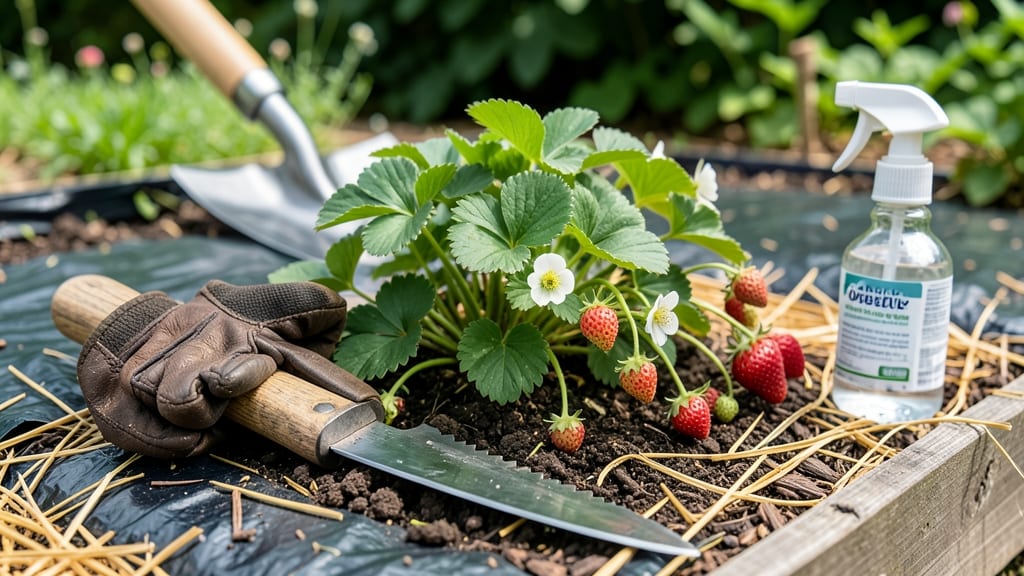
Strawberry plant weed control is the secret to spotless beds—before weeds steal 40% of your plants' nutrients. 🌱 The trick isn’t brute force—it’s timing, tools, and a few sneaky tricks that keep weeds down without smothering your berries. I’ve tried everything from vinegar sprays to black plastic, but this method gives me clean rows with minimal effort.
Start when weeds are young and soil is moist—early spring or right after harvest works best. Grab a hula-hoop weeder (game-changer) and a 5-gallon bucket for roots. The key is to pull weeds before they seed; one session every 10-14 days keeps them from taking over.
Straw mulch around plants blocks light while letting rain through—just avoid piling it against stems.
By midsummer, your beds will look like a professional display. The strawberries thrive with less competition, fruit earlier, and the red berries pop against the clean foliage. No more hiding behind overgrown weeds when guests visit—just rows of lush, productive plants begging to be picked.
Works for both in-ground beds and raised planters. The same principles apply whether you're dealing with crabgrass, chickweed, or creeping Charlie. Let's get those weeds out for good—your strawberries will thank you at harvest time.
📚 In This Guide
- What you need
- Instructions
- Tips and common mistakes
- Wrapping up and next steps
What you need
- ● Hand weeding tools: 1 hand weeder (with a forked or claw design) – for precision pulling
- ● 1 pair of gardening gloves (nitrile or leather, size medium/large)
- ● 1 small hand trowel (4–6 inches long) – for digging around roots
- ● Natural weed suppressors: 2–3 inches of mulch (straw, wood chips, or pine needles – avoid black plastic)
- ● 1 gallon of compost (for replenishing soil after weeding)
- ○ Optional (but helpful) extras: 1 hose with adjustable nozzle (for rinsing off plants post-weeding)
- ● 1 vinegar spray bottle (5% acetic acid, for spot-treating stubborn weeds)
- ● 1 kneeling pad (for comfort during long sessions)
- ● 1 wheelbarrow or bucket (for collecting weeds/debris)
- ● A dry, sunny day (weeds pull easiest when soil is moist but not soggy)
- ● Identified strawberry plants (mark them with flags or labels if needed)
- ● Patience! (Weed control is a weekly commitment, not a one-time task)
Step-by-Step guide to precision weed control in strawberry beds
Here's how I keep my strawberries thriving while keeping weeds at bay—no harsh chemicals, just smart timing and technique.
🌱 Step 1: Time Your Weeding for Maximum Effect
Strawberries compete fiercely with weeds for nutrients, so I always pull weeds when the soil is moist but not soggy—right after a light rain or morning watering. The roots slide out cleanly when the ground is damp, and you'll see fewer broken roots left behind to regrow. I schedule my weeding sessions for early morning or late afternoon when temperatures are cooler, which reduces stress on the plants.
Watch for the first true leaves of your strawberry runners—this is your signal that the plants are actively growing and can handle disturbance. Weeding too early in spring can damage tender new shoots. I like to work in 15-minute bursts every other day during peak weed season to stay ahead without overwhelming myself.
✂️ Step 2: Use the Right Tools for Clean Removal
I never pull weeds by hand alone—it's too slow and often leaves root fragments. Instead, I use a horticultural weeder with a narrow blade to slice through taproots cleanly. For stubborn weeds like bindweed or creeping Charlie, I switch to a hand fork to loosen the entire root system before pulling. The key is to remove at least 2 inches of root to prevent regrowth.
Here's the thing—I keep a small bucket of soapy water nearby. As I pull weeds, I drop them in the bucket to kill any eggs or larvae hiding in their roots. This prevents future infestations while you're working. I also sharpen my tools weekly to ensure clean cuts that don't tear plant tissues.
💧 Step 3: Mulch Strategically to Smother Weeds
After a thorough weeding session, I apply 3-4 inches of organic mulch around the strawberry plants but keep it 2 inches away from the crowns to prevent rot. I use straw or shredded leaves because they break down slowly and improve soil structure over time. The mulch blocks light to emerging weed seeds while allowing water and air to reach the strawberry roots.
I never use plastic mulch—it traps too much heat and can cook strawberry roots. Instead, I refresh the organic mulch every 4-6 weeks during the growing season. You'll notice fewer weeds popping through as the mulch layer thickens, and the strawberries will send out more runners because they're not competing for resources.
☀️ Step 4: Monitor and Maintain Year-Round
Weed control isn't a one-time job—it's an ongoing process. I inspect my beds weekly during active growth and biweekly in winter***. Real talk: Winter weeds like chickweed can take over if you're not vigilant. I pull them when they're small, before they seed, and compost them immediately (no soapy water needed in cold months).
In late summer, I'll do a final "clean sweep" before the first frost. This removes any late-season weeds that could overwinter and sprout in spring. I also take this opportunity to aerate the soil lightly with a hand fork, which helps strawberry roots breathe and makes next season's weeding easier.
Tips & tricks for spotless strawberry beds
These precision techniques will transform your weeding routine from frustrating chore to effective garden maintenance.
Timing Secret: The 15-minute work bursts I mentioned in Step 1 make all the difference. Set a timer and focus exclusively on pulling weeds—no distractions. I've found that even 15 minutes of concentrated effort every other day prevents weeds from establishing themselves. This consistent approach is far more effective than sporadic longer sessions that leave gaps for regrowth. The key is maintaining that rhythm during the critical early growth period when weeds are most vulnerable.
Tool Technique: When using the horticultural weeder in Step 2, I've learned to work at a slight angle rather than straight up. This allows the blade to slice through tough taproots more effectively without tearing the strawberry roots nearby. For particularly stubborn weeds like creeping Charlie, I'll often make two passes—first to loosen the root, then a second to remove it completely. Remember, the goal is to eliminate the entire root system, not just the visible foliage.
Mulch Strategy: The 3-4 inch mulch layer in Step 3 works best when applied immediately after weeding. This creates a clean canvas where new weeds can't establish themselves. I've noticed that maintaining this thickness requires less frequent refreshing—every 4-6 weeks instead of weekly. The mulch also helps regulate soil temperature, which is particularly beneficial during our hot summers when strawberry roots can become stressed.
Year-Round Vigilance: The weekly inspections in Step 4 reveal that most winter weeds appear in late winter when soil temperatures start to rise. I've developed a habit of checking my beds on the same day each week, often while watering. This consistency means I catch weeds before they seed, which is the most critical time for preventing next year's infestations. The late summer clean sweep before frost is equally important—it removes any late-season weeds that could overwinter and return stronger.
Pro Tips for Strawberry Plant Weed Control
- These precision techniques will transform your weeding routine from frustrating chore to effective garden maintenance.
- Timing Secret: The 15-minute work bursts I mentioned in Step 1 make all the difference.
- Tool Technique: When using the horticultural weeder in Step 2, I've learned to work at a slight angle rather than straight up.
Frequently asked questions
When is the best time to pull weeds around strawberry plants?
Pull weeds early in the morning when soil is moist (but not muddy) for easier removal. Aim for weekly maintenance in growing seasons (spring-fall) or bi-weekly during peak summer heat. Mulching with straw or pine needles can cut down on frequent pulling.
Will pulling weeds harm my strawberry plants?
No—if done carefully! Use a hand fork or weeding knife to avoid disturbing roots. Focus on weeds at the base, not the strawberry crown. Pro tip: Wait until soil is dry to minimize accidental damage during harvest season.
Are there natural weed killers safe for strawberry plants?
Yes! Try vinegar-based sprays (1:1 vinegar/water + dish soap) only on weeds, or corn gluten meal (pre-emergent). Avoid salt or commercial herbicides—strawberries are sensitive! For organic growers, boiling water works well on young weeds.
How long does it take for weeds to stop growing after pulling?
Weeds may regrow from roots in 3–7 days if not fully removed. For stubborn weeds, reapply mulch or use a hula hoe to sever roots. Consistent effort (not one-time pulls) is key—think of it like editing a garden, not erasing it overnight.
What’s the best mulch to prevent weeds around strawberries?
Straw or wood chips
(2–3 inches thick) are ideal—they suppress weeds, retain moisture, and break down slowly. Avoid grass clippings (can mat) or cedar mulch (toxic to strawberries). Refresh mulch annually for best results.
Wrapping up and next steps
Mastering strawberry plant weed control isn’t just about keeping your beds tidy—it’s about giving your berries the best shot at thriving! 🌱 With the right tools, timing, and techniques, you can outsmart weeds without harming your precious plants.
Start small, stay consistent, and soon you’ll enjoy spotless rows and bountiful harvests.
Ready to take it further? Next up: Try mulching with straw or pine needles to suppress weeds long-term and boost soil health. Happy gardening—your strawberries are counting on you! 🍓✨