
Planting
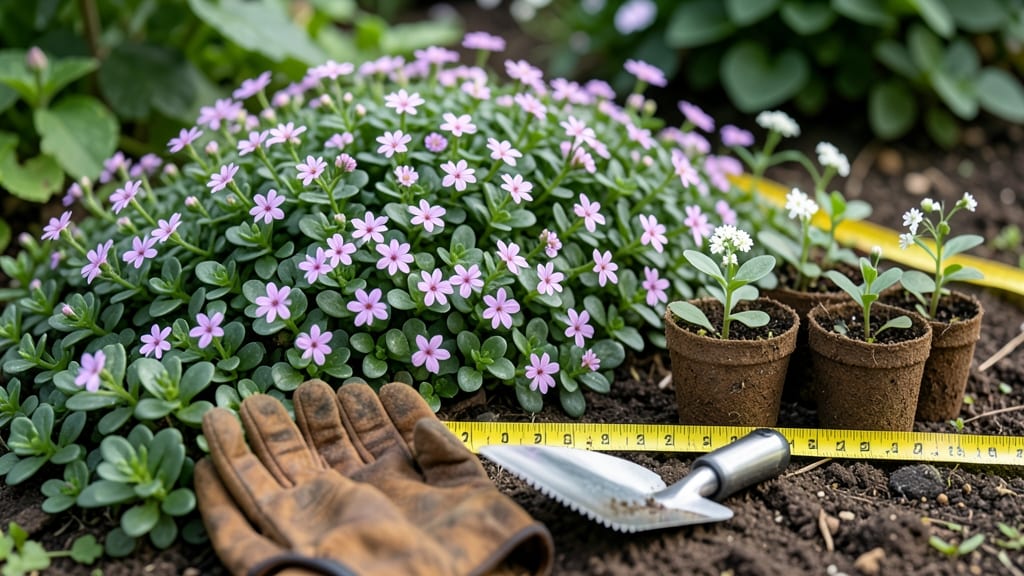
Sweet Alyssum 🌸 thrives with proper spacing to create that dreamy, fragrant carpet—3 inches apart is the golden rule for lush, mat-free borders.
Too close, and you’ll end up with a tangled mess of leggy stems and sparse blooms. Too far, and you’ll miss out on that snow-like sea of flowers that makes this plant so special. The right spacing isn’t just about looks—it’s about airflow, root health, and keeping pests at bay.
Whether you’re planting in garden beds, containers, or hanging baskets, getting the spacing right ensures your Sweet Alyssum stays compact, blooms abundantly, and lasts all season. Below, I’ll break down the best practices, including adjustments for different varieties and planting styles.
Ready to transform your borders into a fragrant paradise? Let’s dive into the 3-inch rule and how to apply it for year-round color and fragrance.
Why 3-Inch spacing creates a perfect sweet alyssum mat
Sweet alyssum thrives when planted in a 3-inch grid because this spacing balances root competition and air circulation. Too close, and plants compete for nutrients, leading to leggy, sparse growth.
Too far, and you lose that dense, carpet-like effect you love. The magic happens when roots spread just enough to fill gaps naturally while still getting sunlight and airflow.
Think of it like a fragrant living blanket. Sweet alyssum’s tiny flowers need room to breathe—literally. Stagnant air between plants traps moisture, inviting fungal diseases like powdery mildew.
That 3-inch gap ensures each plant gets fresh air, preventing mold while keeping stems sturdy. This is especially critical in humid climates or shaded areas where airflow is slower.
Now, let’s talk variety differences. Dwarf varieties like 'Tiny Tuffet' stay compact at 3-4 inches tall, so 3 inches between plants works perfectly. Trailing types like 'Snowdrift' spread wider (up to 12 inches), but they still benefit from 3-inch spacing at planting.
Over time, their vines will fill in, but starting tight prevents gaps from forming.
The soil type also plays a role. In sandy soil, roots spread quickly, so you might stretch spacing to 3.5 inches to avoid overcrowding.
In clay-heavy soil, roots grow slower, so stick to the 3-inch rule—the extra density encourages bushier growth as plants compete for space in the denser medium.
Here’s the science: Sweet alyssum’s fibrous root system spreads outward, not deep. When planted 3 inches apart, roots intertwine just enough to create a self-supporting mat without smothering each other. This spacing also lets you pinch back stems for bushier growth—something you can’t do if plants are too crowded.
Light exposure changes the game too. In full sun, sweet alyssum grows faster, so you might need to thin plants slightly after 6 weeks if they’ve filled in too much. In partial shade, growth slows, and the 3-inch rule becomes even more critical to prevent legginess.
Always plant in the earliest spring or late summer to give roots time to establish before extreme heat or cold sets in.
Another pro tip: Use a string grid or spacer tool when planting to maintain even spacing. Uneven gaps lead to patchy coverage, and that’s when weeds sneak in. A quick trick is to plant in a checkerboard pattern—this maximizes density while keeping airflow optimal.
For container gardens, reduce spacing to 2.5 inches since roots have limited space to spread.
Finally, remember that 3-inch spacing isn’t just about looks—it’s about longevity. Properly spaced sweet alyssum reblooms continuously all season, while crowded plants burn out faster from stress. With the right spacing, you’ll enjoy that snow-white fragrance
How to space sweet alyssum for year-round fragrance and color
Sweet alyssum thrives when planted with intention—its 3-inch spacing rule creates that dreamy, fragrant carpet effect many gardeners crave. Whether you're edging a border, filling a container, or cascading over a window box, proper spacing ensures continuous blooms and healthy foliage year-round.
The key lies in adapting your approach based on where you plant it and when you sow the seeds.
For spring planting (March-April), aim for 3 inches between plants in borders to allow room for spreading. In containers, you can space them slightly closer—2 inches apart—since they’ll be confined.
Fall planting (September) requires a slight adjustment: stretch spacing to 4 inches to account for winter dieback and slower regrowth in cooler months.
- 📏 Borders: 3 inches apart for spring planting; 4 inches for fall planting to prevent winter crowding.
- 🪴 Containers: 2 inches apart (closer spacing works due to confined roots).
- 🪵 Window Boxes: 2.5 inches apart for trailing varieties like 'Tiny Tuffet' to create a lush, spilling effect.
- 🌿 Companion Plants: Pair with violas or pansies—space them 3 inches from alyssum to avoid root competition.
- ⏰ Seasonal Tip: Thin seedlings to 3 inches apart once they reach 2 inches tall for uniform growth.
When planting in window boxes, use 2.5-inch spacing for trailing varieties like 'Tiny Tuffet' to encourage that cascading, fragrant waterfall effect. If you’re mixing sweet alyssum with companion plants like violas or pansies, maintain 3 inches between each plant—this prevents root competition while keeping the visual harmony intact.
Pro tip: Use a small hand trowel to mark planting spots in a grid pattern for even spacing.
For year-round color, stagger your planting. Sow a second batch in late summer (August) to fill gaps as early bloomers fade. In containers, mix dwarf varieties (like 'Snow Crystal') with taller flowers (e.g., snapdragons) to create vertical interest.
Always plant in well-draining soil—soggy roots lead to leggy growth, which ruins that perfect mat effect.
Don’t forget to pinch back spent blooms every 2-3 weeks. This encourages bushier growth and more flowers, keeping your alyssum looking lush. With the right spacing, your sweet alyssum will reward you with fragrance and color from spring through frost—no gaps, no mess, just pure garden magic.