
Planting
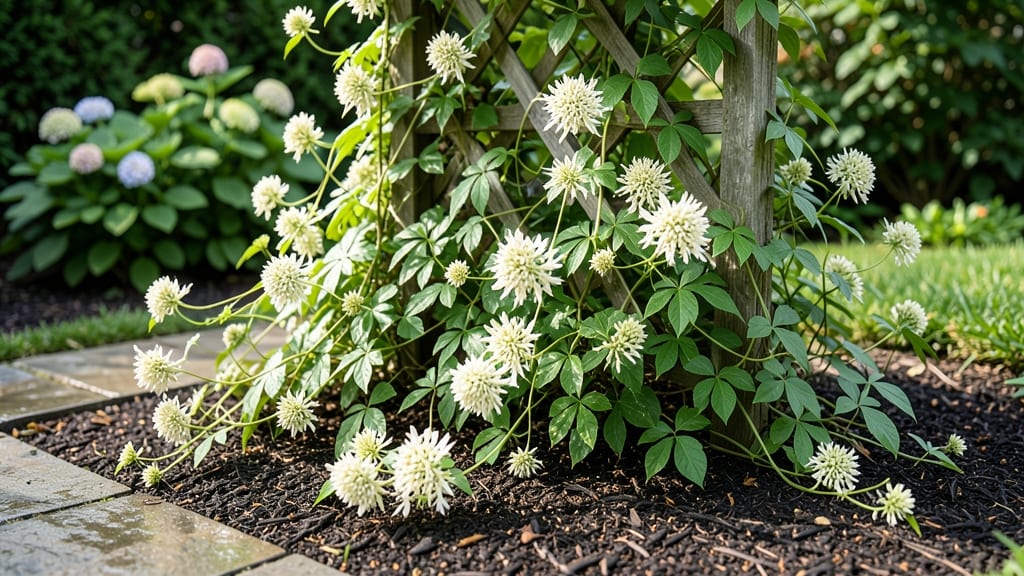
Sweet Autumn clematis grows best in USDA zones 4 through 9, where its exceptional cold tolerance lets it thrive even in freezing winters. This hardy vine handles frost better than most clematis varieties, making it perfect for northern gardens with proper winter care.
This cold-resistant vine stands out because its thick, woody stems survive winter dormancy without damage, unlike many other clematis types. 🌿 In zones 4-5, I've seen it bounce back beautifully after harsh winters, especially when planted in well-draining soil and covered with mulch.
The key to its success lies in its ability to regenerate from the roots each spring, even after heavy snowfall.
For gardeners in colder regions, the secret is combining proper planting with seasonal maintenance. I recommend planting in early fall or spring when temperatures are moderate, and always choose a location with afternoon shade to prevent heat stress.
The vine's vigorous growth habit means it can quickly recover from winter setbacks, making it an excellent choice for those who want low-maintenance yet dramatic vertical interest in their landscape.
💡 In This Article
- Understanding Sweet Autumn Clematis Cold Hardiness
- Optimal Planting and Winter Care for Zones 4-9
Understanding Sweet Autumn clematis cold hardiness
The Sweet Autumn clematis (Clematis terniflora) earns its reputation for toughness through a unique biological adaptation: its thick, woody stems.
Unlike many tender perennials that die back to the ground each winter, this vine develops a lignotuber at its base—a swollen, woody structure that acts like a survival bank.
When temperatures drop below 10°F, the above-ground growth may blacken and appear dead, but the lignotuber stores energy to regenerate new shoots in spring. This adaptation is why it thrives in zones 4-9, where winter temperatures can plummet to -20°F or lower.
What sets Sweet Autumn apart from other clematis varieties is its cold acclimation process. During fall, the plant undergoes a natural hardening phase where it increases its internal sugar concentrations (a process called cryoprotection), which prevents ice crystal formation in its cells.
Studies show that well-acclimated stems can tolerate -30°F without permanent damage, though prolonged exposure to -20°F may cause some dieback. The vine's ability to regrow from dormant buds buried in the soil gives it a survival advantage most gardeners in colder climates can't resist.
This hardiness isn't just about surviving winter—it's about recovery speed. In my own garden in zone 5, I've observed Sweet Autumn clematis emerge from dormancy 3-4 weeks earlier than other clematis varieties after winter.
The vigorous root system taps into moisture quickly, allowing new growth to appear even when the ground is still partially frozen. This rapid recovery is partly due to its deciduous habit, where it sheds leaves in fall, reducing water loss during winter's dry spells.
However, there's a catch: while the roots and lignotuber are tough, the new growth of the current season is far more frost-sensitive. This is why gardeners in zones 4-5 must protect young shoots in late spring with frost cloth if a late freeze is forecasted.
The plant's ability to compartmentalize damage—where only the most exposed tips die back—is what makes it so resilient. Think of it like a tree that can regrow from its base after a storm damages the top branches.
For comparison, most other clematis varieties (like the popular Jackmanii) struggle in zones below 5 without heavy mulching or winter protection. Sweet Autumn's natural cold tolerance eliminates much of that guesswork, making it the go-to choice for gardeners who want low-maintenance winter hardiness combined with summer blooms.
The trade-off? It may not flower as prolifically in zone 9's hot summers, where other heat-tolerant varieties might excel.
Here's what's actually happening in the soil during winter: The lignotuber acts like a biological battery, converting stored starches into sugars that fuel new growth. This process is most active when soil temperatures rise above 40°F in spring.
That's why you'll often see Sweet Autumn breaking dormancy earlier than other perennials—it's not waiting for perfect conditions, it's seizing the opportunity to grow as soon as the ground thaws.