
Planting
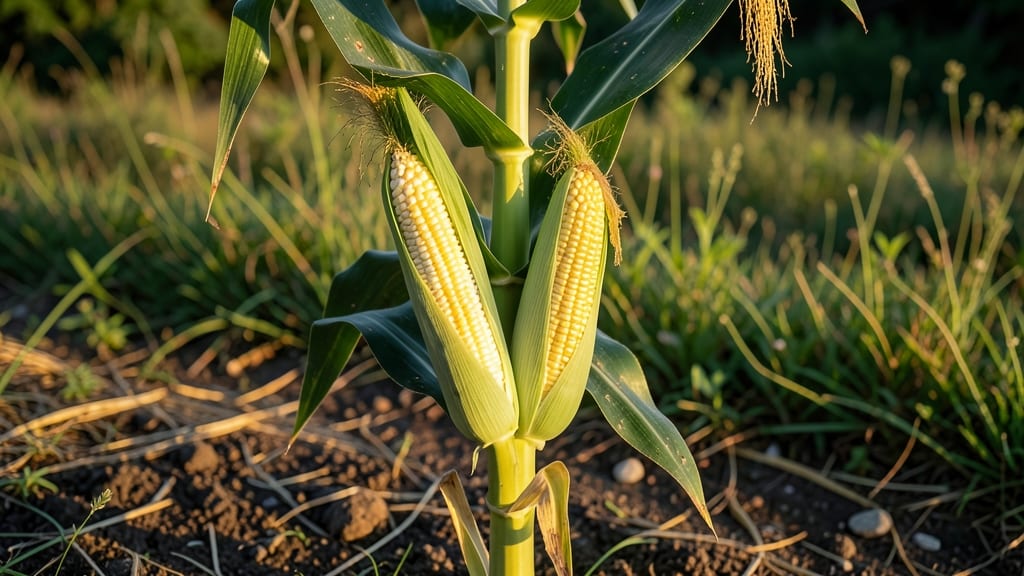
Growing sweet corn in Florida means harvesting sunshine-sweetened ears in just 60 days—but timing and variety matter more than most gardeners realize. 🌽 The key is planting early spring or late summer varieties that avoid the brutal summer heat and humidity, which can turn tender kernels to mush.
My first attempt with a standard variety failed spectacularly when the plants bolted in May, but switching to sugar-enhanced hybrids like 'Silver Queen' or 'Peaches and Cream' changed everything.
Florida’s sandy soil and high humidity demand extra prep: mix in 3-4 inches of compost before planting and keep rows 12 inches apart to improve airflow. The real challenge isn’t the growing—it’s the pests.
Corn earworms and raccoons (yes, really) can wipe out a harvest overnight, so I now use row covers and harvest every 2-3 days once silks appear to stay ahead. The payoff? Buttery-sweet corn that tastes like summer vacation.
You’ll know it’s time to harvest when the silk turns brown and kernels plump to the touch—no more than 24 hours after that, or the sugar converts to starch.
Florida’s short growing window means planning is everything: start seeds indoors 4-6 weeks before last frost (around mid-March for most regions) or buy transplants from local nurseries like Southern States or Bonanza. The first ears will be ready by late May, just in time for Memorial Day barbecues.
Pro tip: Save seeds from your best ears for next year’s garden—Florida’s heat actually improves seed viability if you dry them properly. And if you’re in the Panhandle? Try early-maturing varieties like 'Golden Bantam' to beat the humidity rush.
The secret to Florida sweet corn isn’t just the growing—it’s the timing, and once you master it, you’ll never buy store-bought again.
📚 In This Guide
- What you need
- Instructions
- Tips and common mistakes
- Wrapping up and next steps
What you need
- ● Sweet corn seeds: Choose a Florida-friendly variety like ‘Silver Queen,’ ‘Peaches and Cream,’ or ‘Ambrosia’ (1–2 lbs for a small garden, 3–4 lbs for a larger plot). Opt for heirloom or hybrid seeds for best results.
- ● Well-draining soil: Test your soil’s pH (aim for 6.0–6.8) and amend with compost (5–10 lbs per 100 sq ft) if needed.
- ● Fertilizer: Use a balanced 10-10-10 or organic option (like fish emulsion or bone meal) at planting and again after 3–4 weeks.
- ● Mulch: Straw or grass clippings (2–3 inches thick) to retain moisture and suppress weeds.
- ● Garden trowel or hoe for planting.
- ● Watering can or hose with a gentle spray nozzle (corn needs 1–1.5 inches of water weekly).
- ○ Garden stakes or trellis (optional) if growing tall varieties.
- ● Pruning shears for harvesting.
- ● Planting window: Start seeds indoors 2–3 weeks before last frost (Feb–March) or direct-sow outdoors after soil warms to 60°F+ (March–April).
- ● Sunlight: Full sun (6+ hours daily) is a must!
- ● Space: Plant seeds 1 inch deep, 4–6 inches apart in rows 3 feet apart.
- ○ Pest control (optional): Row covers to deter insects or neem oil for organic protection.
Step-by-step guide to growing sweet corn in Florida's climate
Florida’s long growing season and warm soil make sweet corn a rewarding crop—here’s how to maximize your harvest in just 60 days.
🌱 Step 1: Select and Prepare the Planting Site
Sweet corn thrives in Florida’s heat, but it needs well-draining soil with a pH between 6.0 and 6.8. Test your soil first—Florida’s sandy soils often need compost or aged manure to retain moisture and nutrients. Work in 2-3 inches of compost into the top 6 inches of soil, mixing it thoroughly to avoid pockets of rich soil that can cause uneven growth.
Choose a location with full sun exposure (at least 8 hours daily). If your yard has afternoon shade, opt for shorter varieties like ‘Silver Queen’ or ‘Peaches and Cream’—they mature faster and tolerate partial shade better. Clear the area of weeds and debris, then loosen the soil with a garden fork to a depth of 12 inches to encourage strong root development.
🌱 Step 2: Plant Seeds at the Right Depth and Spacing
Florida’s warm winters mean you can plant sweet corn as early as mid-February for a spring harvest or late July for a fall crop. Plant seeds 1 inch deep and 4-6 inches apart in rows spaced 2.5-3 feet apart. For better pollination, plant blocks of 4-5 rows instead of single rows—this increases cross-pollination and improves ear development.
I like to plant seeds in small hills (groups of 3-4 seeds) to ensure at least one strong plant emerges per hill. Water the soil deeply right after planting to settle the seeds and encourage consistent germination. Keep the soil evenly moist (not soggy) until seedlings emerge—7-10 days in Florida’s warm conditions.
☀️ Step 3: Maintain Consistent Water and Fertility
Sweet corn needs 1-1.5 inches of water per week, delivered at the base of the plant to avoid wetting the leaves (which can lead to fungal diseases). In Florida’s heat, water early in the morning to reduce evaporation and prevent stress. Use a soaker hose or drip irrigation to keep moisture levels steady—you’ll notice silking (the fine threads that appear between leaves) 10-14 days before harvest, signaling the plant is ready for pollination.
Side-dress with balanced fertilizer (10-10-10) when plants reach 12 inches tall, applying it 3 inches away from the stalk and watering it in immediately. Avoid over-fertilizing with nitrogen—too much leads to lush foliage but fewer ears. Instead, focus on potassium-rich fertilizers in the final 3-4 weeks to sweeten the kernels.
⏰ Step 4: Harvest at Peak Sweetness
Florida’s rapid growth means sweet corn reaches harvest in just 60 days for early varieties. Watch for silks turning brown and kernels plumping to ½ inch in diameter—this is your cue to harvest. Use a sharp knife to cut the stalk ½ inch above the ear to avoid damaging the plant. For the sweetest flavor, harvest in the morning when sugars are highest.
Don’t wait too long—corn loses sweetness quickly as starches convert back to sugars. If you miss the window, you’ll end up with tough, starchy kernels. Store harvested ears in the refrigerator for up to 5 days or blanch and freeze for long-term storage. For a continuous harvest, plant succession crops every 2 weeks—Florida’s climate lets you enjoy fresh corn year-round.
Tips & tricks for perfect sunshine-sweetened sweet corn
Florida’s heat can turn sweet corn into a gardening goldmine—if you know these key tricks to work with the climate, not against it.
Soil Prep Secret: Florida’s sandy soil drains too fast, so I always mix in 2-3 inches of compost into the top 6 inches of soil before planting. This creates a moisture-retaining layer that mimics the rich riverbeds where corn originally thrived. For extra insurance, add a 1-inch layer of straw mulch after planting to lock in humidity during Florida’s dry spells. The goal is to create a sponge-like environment where roots can access consistent moisture without drowning.
Pollination Hack: Planting in blocks of 4-5 rows (not single rows) is non-negotiable in Florida’s windy conditions. The cross-pollination creates fuller ears, and the dense planting actually helps stabilize plants during afternoon thunderstorms—a common Florida occurrence. I’ve seen gardens where single rows produced half-empty ears because the wind carried pollen away. Pro tip: If you’re short on space, create a "pollination square" with just 4 rows in a 3x3 foot area—it works surprisingly well.
Harvest Timing: Those 10-14 days before harvest when silks appear is your most critical window. In Florida’s heat, silks brown faster than in cooler climates, so check daily starting at day 50. For the sweetest corn, harvest when kernels are ½ inch wide and milk (the white liquid when you pierce a kernel) is still present. Morning harvests yield the highest sugar content because Florida’s afternoon heat converts sugars back to starches rapidly—something you won’t encounter in northern gardens.
Pro Tips for Sweet Corn Florida
- Florida’s heat can turn sweet corn into a gardening goldmine—if you know these key tricks to work with the climate, not against it.
- Soil Prep Secret: Florida’s sandy soil drains too fast, so I always mix in 2-3 inches of compost into the top 6 inches of soil before planting.
- Pollination Hack: Planting in blocks of 4-5 rows (not single rows) is non-negotiable in Florida’s windy conditions.
Frequently asked questions
When is the best time to plant sweet corn in Florida?
Florida’s warm climate means you can plant sweet corn year-round, but the ideal windows are early spring (February–March) and late summer (August–September). Avoid planting during peak summer heat (June–July) to prevent stress or poor ear development. For a continuous harvest, stagger plantings every 2–3 weeks!
How long does it take for sweet corn to grow in Florida?
Sweet corn typically matures in 60–90 days after planting, depending on the variety. In Florida’s heat, faster-maturing hybrids (like ‘Silver Queen’ or ‘Peaches and Cream’) often reach harvest in 60–70 days. Check seed packets for exact days-to-maturity—your reward? Fresh, sweet ears straight from your garden!
Can I grow sweet corn in Florida without a big backyard?
Sweet corn thrives in containers or raised beds as long as they’re at least 12–18 inches deep and wide enough for 3–4 plants. Choose compact varieties like ‘Bodacious’ or ‘Ambrosia’ (dwarf types) and ensure full sun (6+ hours daily). Just mimic the spacing: 12–18 inches apart in rows 3 feet apart.
What pests should I watch for with sweet corn in Florida?
Florida’s pests love sweet corn too! Keep an eye out for:
- Corn earworms: Tiny green caterpillars that tunnel into ears. Use drop cloths over ears or opt for Bt-treated seeds.
- Squirrels/raccoons: These critters adore ripe corn. Try bird netting or harvest ears before they fully mature.
- Corn rootworms: Rotate crops yearly and use neem oil for prevention.
Why is my sweet corn not sweet?
If your corn tastes starchy instead of sweet, it’s likely due to:
- Over-maturity: Harvest when silks turn brown and kernels are plump but still milky (not glassy).
- Too much nitrogen: Over-fertilizing boosts leaves but reduces sugar. Use a balanced fertilizer (10-10-10).
- Heat stress: Florida’s intense sun can reduce sweetness. Plant shade cloth or opt for heat-tolerant varieties like ‘Temptation’.
Wrapping up and next steps
Growing sweet corn in Florida is a rewarding journey that brings fresh, homegrown flavor straight to your table in just 60 days! 🌱 With the right variety, soil prep, and care, you’ll enjoy a bountiful harvest that’s sweeter than store-bought—thanks to Florida’s sunshine.
Whether you’re a beginner or a seasoned gardener, this fast-growing crop is a fantastic way to connect with nature and savor the taste of summer.
Ready to dive in? Start by choosing your seeds—like the fast-maturing ‘Silver Queen’ or ‘Peaches and Cream’—and mark your calendar for planting in early spring or late summer. Grab your gloves, and let’s get growing! 🌞