
Planting
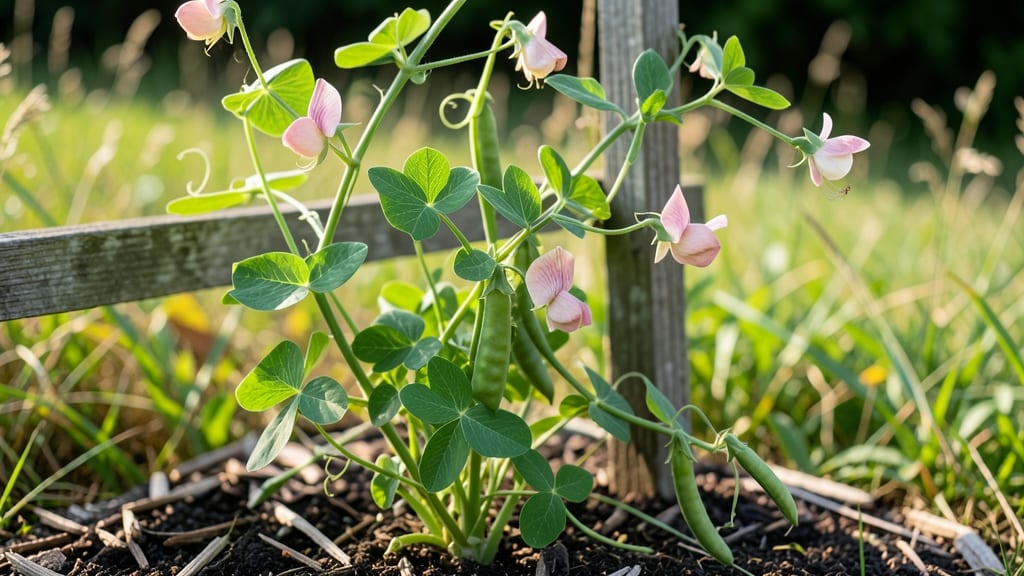
The sweet pea plant height varies dramatically between varieties, ranging from 2 to 10 feet, so choosing the right type can transform your garden into a fragrant vertical masterpiece with the proper support.
Imagine a 6-foot vine covered in delicate 🌸 blooms, or a dwarf variety staying compact at just 2 feet—both are possible with the right choices. The key lies in picking the perfect variety for your space and providing the proper structure to guide their growth.
Taller varieties like 'Spencer' can reach 10 feet, while dwarf types like 'Tom Thumb' stay under 4 feet. The difference isn’t just about aesthetics—it affects how you plant, prune, and support them for maximum blooms all season.
In this guide, I’ll break down the best support methods, how to train your sweet peas for healthier growth, and the easiest ways to keep them thriving from spring planting through summer harvest.

Sweet pea plant height variations: from dwarf to towering climbers
Sweet peas are famous for their fragrant blooms and rapid vertical growth, but their height varies dramatically depending on the variety. Some stay compact enough for container gardens, while others become towering climbers that need sturdy trellises.
Understanding these differences helps you choose the perfect variety for your space and support system.
The height of a sweet pea plant is primarily determined by its genetics, but environmental factors like sunlight, soil quality, and pruning also play a role.
Most varieties fall into three broad categories: dwarf (under 4 feet), mid-size (4-6 feet), and tall climbers (over 6 feet). Let’s explore the most popular types and their typical growth ranges.
| Variety | Height Range (ft) | Growth Habit | Best For |
|---|---|---|---|
| 'Cupani' | 6-8 ft | Tall climber | Pergolas, trellises |
| 'Spencer' | 8-10 ft | Towering climber | Arbors, fences |
| 'Alaska' | 5-7 ft | Mid-size climber | Trellises, small pergolas |
| 'Tom Thumb' | 2-3 ft | Dwarf | Containers, window boxes |
| 'Blue Moon' | 4-6 ft | Semi-dwarf | Balconies, small trellises |
Dwarf varieties like 'Tom Thumb' are perfect for small gardens or containers, reaching only 2-3 feet tall. These compact plants produce abundant blooms without needing much vertical space, making them ideal for window boxes or balcony gardens.
Their smaller stature also means they require less robust support, like small stakes or lightweight trellises.
Mid-size varieties, such as 'Blue Moon', strike a balance with heights of 4-6 feet. These are great for gardeners with limited space but still want a vertical display.
They thrive on small trellises or even sturdy stakes, and their manageable height makes them easier to maintain than their taller counterparts.
Tall climbers like 'Cupani' and 'Spencer' can reach 8-10 feet, making them ideal for large gardens, pergolas, or fences. These varieties need heavy-duty support to handle their weight and ensure they grow upright. Without proper support, their vines can sprawl, leading to weaker stems and fewer blooms.
Genetics play the biggest role in determining height, but environmental factors can influence growth too. For example, sweet peas grown in full sun with well-draining soil tend to reach their maximum height potential. In contrast, shaded or nutrient-poor conditions can stunt growth, especially in taller varieties.
If you’re growing sweet peas in containers, opt for dwarf or semi-dwarf varieties to avoid overcrowding. These plants also benefit from regular pruning to encourage bushier growth and more blooms. For taller varieties, prune selectively to direct energy upward and maintain structural integrity.
One common misconception is that all sweet peas need the same type of support. In reality, 'Spencer' or 'Cupani' varieties require sturdy trellises or arbors, while dwarf types can thrive with minimal support. Always match the support structure to the plant’s expected height and weight.
For best results, plant taller varieties along fences or pergolas where they can climb naturally. Mid-size and dwarf types can be placed in smaller trellises or cages to keep them contained. This not only maximizes your garden’s vertical space but also makes maintenance easier.
Whether you’re a beginner or a seasoned gardener, choosing the right sweet pea variety for your space ensures a fragrant, flourishing display all season long. With the right support and care, even the tallest climbers can become a stunning focal point in your garden. 🌸🌿
Best support methods for sweet peas by height: trellises, cages & more
Sweet peas need strong support to thrive, but the right structure depends entirely on their mature height. Dwarf varieties like 'Tom Thumb' (2-4 ft) only need lightweight trellises, while towering climbers like 'Spencer' (8-10 ft) demand heavy-duty obelisks or pergolas.
Choosing the wrong support can lead to floppy vines or broken stems—so let’s match your sweet peas to their perfect scaffold.
Your garden space and budget also play a role. DIY options like bamboo stakes or wire cages work well for small patches, while pre-made A-frame trellises or metal obelisks offer durability for larger plantings.
Below, I’ve broken down the best support methods by height range, including spacing tips to keep your vines healthy and blooming.
Comparison of Support Methods by Sweet Pea Height
| Height Range | Best Support | Spacing | DIY vs. Pre-Made | Pro Tip |
|---|---|---|---|---|
| 2–4 ft (Dwarf) | Lightweight trellis or wire hoops | 12–18" apart | DIY (bamboo stakes) | Use 3–4 ft stakes for stability |
| 4–6 ft (Semi-Dwarf) | A-frame trellis or teepee | 18–24" apart | Pre-made or DIY wire | Add cross-bracing for wind |
| 6–10 ft (Standard/Tall) | Obelisk or pergola | 24–36" apart | Pre-made metal/wood | Sink supports 6" deep for stability |
For dwarf varieties, a simple bamboo trellis or wire hoop works perfectly. Space these 12–18 inches apart to allow airflow and prevent disease. I’ve used plastic-coated wire in the past—it’s rust-proof and easy to bend into custom shapes.
Just ensure the trellis is at least 3 feet tall to accommodate even the shortest sweet peas.
Mid-size climbers (4–6 ft) thrive on A-frame trellises or teepee structures. These supports distribute weight better than single stakes and reduce the risk of vine breakage.
If you’re DIYing, use galvanized wire (12–14 gauge) wrapped around wooden posts. For pre-made options, look for powder-coated metal frames—they’re weather-resistant and last for years.
Towering sweet peas (6–10 ft) need heavy-duty supports like obelisk structures or pergolas. These distribute weight evenly and can handle the 30+ pounds some mature vines produce. I recommend sinking supports 6 inches deep into the soil and securing them with concrete footings if your garden gets windy.
For large plantings, consider a freestanding pergola—it creates a stunning vertical display while providing shade for other plants below.
Pro tip: Train young vines gently by tying them to supports with soft twine or velcro plant ties. Avoid wire or zip ties—they can damage tender stems as the plant grows. And remember, prune regularly to encourage upward growth and prevent overcrowding on supports.