
Planting
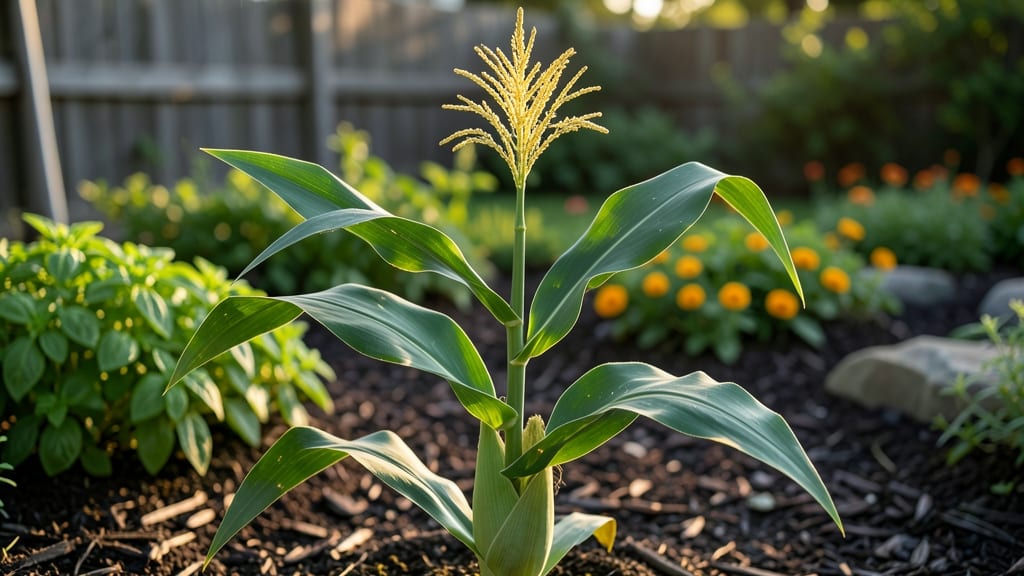
A healthy corn plant starts with the right conditions—think full sun, rich soil, and patience. 🌽 I’ve grown corn for years, and the difference between a thriving stand and a flop comes down to these basics: proper spacing, consistent moisture, and a few key tricks to outsmart pests.
Skip the shortcuts, and you’ll end up with weak stalks or stunted ears.
You’ll need well-draining soil amended with compost, at least 6 hours of direct sunlight daily, and a 3-foot spacing between plants to prevent disease and competition. Water deeply 1-2 inches per week, keeping the soil moist but not soggy—corn roots need room to breathe.
A balanced fertilizer at planting and again at tasseling will give you those sweet, plump kernels you’re after.
Watch for corn earworm moths and fungal diseases like blight by monitoring leaves and silk. A simple row cover or neem oil spray can save your harvest before it even forms.
When the tassels appear dry and brown and the silk turns brown from the top down, you’re looking at a harvest window of 10-14 days—pull them before birds and raccoons do.
This method works for sweet corn, popcorn, or field corn—just adjust planting dates to your frost zone. Start early, stay consistent, and you’ll go from seed to table with ears so sweet they’ll make your neighbors jealous. Let’s get those stalks standing tall.
📚 In This Guide
- What you need
- Instructions
- Tips and common mistakes
- Wrapping up and next steps
What you need
- ● Corn seeds: Choose heirloom or hybrid varieties (e.g., 'Golden Bantam,' 'Silver Queen,' or 'Peaches and Cream'). Buy 1–2 lbs for a small garden (enough for ~50 plants). Opt for certified organic seeds if preferred.
- ● Well-draining potting soil or garden soil: 1 cubic yard for in-ground planting or 5–10 gallons per large container (12"+ depth). Mix in compost (2–3 cups per plant) for nutrients.
- ● Fertilizer: Balanced organic fertilizer (10-10-10 or 5-5-5): 1–2 lbs per 100 sq ft.
- ○ Slow-release granular fertilizer (optional): 1 cup per 25 plants at planting time.
- ● Water: Access to a hose or watering can with a fine spray nozzle for gentle hydration.
- ● Garden trowel or transplanting tool (for digging holes or containers).
- ● Measuring tape or ruler (to space seeds 12–18" apart in rows 2–3 ft apart).
- ○ Garden stakes or trellis (optional): 4–6 ft tall to support tall varieties like 'Country Gentleman.'
- ● Mulch (straw or grass clippings): 2–3 inches to retain moisture and suppress weeds.
- ○ Gloves (optional): Protect your hands while handling soil or seeds.
- ● Sunlight: A full-sun location (6–8+ hours daily). Corn is a sun-loving plant—no shade allowed!
- ● Warm soil: Wait until soil temps reach 60°F+ (use a soil thermometer if unsure).
- ● Space: Minimum 100 sq ft for a small harvest (or 1 large container per plant if growing indoors).
- ● Patience: Corn takes 60–120 days to mature—plan ahead!
Step-by-step guide to growing a thriving corn plant
Here's how to cultivate a robust, sun-loving corn plant that yields sweet harvests.
🌱 Step 1: Choose the Right Variety and Planting Site
Pick a sweet corn variety suited to your climate—like 'Silver Queen' for short seasons or 'Peaches and Cream' for sweetness. Corn thrives in full sun (6-8 hours daily) and needs space, so plant 4 rows at least 24 inches apart for proper pollination. I always check my last frost date and wait until soil reaches 60°F before planting.
Test your soil's pH—corn prefers 6.0-6.8. If yours is off, add lime to raise pH or sulfur to lower it. Work in 2-3 inches of compost to enrich the soil with nutrients. I like to plant corn in blocks rather than single rows to improve pollination and reduce edge effects where plants get less sunlight.
🌿 Step 2: Plant Seeds Properly for Strong Starts
Plant seeds 1 inch deep and 6-8 inches apart in rows 30 inches apart. If planting in blocks, space rows 24 inches apart to allow for better air circulation and easier harvesting. I use my fingers to make small holes, then drop 2-3 seeds per hole—corn has a low germination rate, so extra seeds ensure good stands.
Cover seeds with soil and water gently to settle it around the seeds. Keep the soil moist but not soggy until germination, which typically takes 7-14 days depending on temperature. You'll know it's time to thin when seedlings have 2-3 leaves—leave the strongest one in each spot, snipping the others at soil level with scissors.
☀️ Step 3: Maintain Consistent Watering and Fertilization
Corn needs 1-1.5 inches of water per week, especially during tasseling and ear development. I water deeply in the morning to reduce disease risk and let the soil dry slightly between waterings. Too much moisture can lead to fungal issues like leaf blight, so avoid overhead watering when possible.
Side-dress with high-nitrogen fertilizer when plants reach 12 inches tall to encourage strong stalk growth. I use a balanced 10-10-10 fertilizer, applying it about 6 inches away from the base and watering it in well. Watch for silking (when tassels appear at the top and silks emerge from the ear) as a sign to switch to a low-nitrogen, high-phosphorus fertilizer to support ear development.
✂️ Step 4: Monitor for Pests and Diseases
Corn earworms and corn borers are common pests. I inspect plants weekly for signs like chewed leaves or frass (insect droppings). If you spot them, handpick larvae or use Bt (Bacillus thuringiensis) spray as a natural control. Remove any plants showing signs of disease, like rust-colored spots or wilted leaves, to prevent spread.
Watch for drought stress, which causes leaves to roll or turn yellow. If this happens, water immediately and mulch around the base to retain moisture. I also keep an eye out for nitrogen deficiency, which shows as pale yellow leaves—this means it's time for another side-dressing of fertilizer.
🌽 Step 5: Harvest at Peak Ripeness for Sweetest Flavor
Corn is ready to harvest when the silks turn brown and the tassel at the top dries out. I press a kernel with my thumbnail—if it's milky white, it's at its sweetest. Harvest in the morning when sugars are highest, and cut stalks with a sharp knife about 6 inches above the ear.
For storage, keep ears in the refrigerator for up to 3-5 days or blanch and freeze for long-term use. I like to husk and boil ears for 4-5 minutes before freezing them in airtight bags. This preserves sweetness and texture for months. If you miss the harvest window, don't worry—corn can stay on the stalk for a few extra days, though flavor may decline.
Tips & tricks for perfect corn plant cultivation
Growing sweet corn doesn't have to be a gamble—these practical tips will help you avoid common pitfalls and maximize your harvest.
Sunlight Strategy: While corn needs that full 6-8 hours of sun daily, I've found that morning sunlight is especially important. Position your corn block to catch the morning rays first—this helps prevent afternoon wilting during hot summer days. If you're in a shady area, consider using reflective mulch or planting in a raised bed to boost light exposure.
Soil Temperature Secret: That 60°F soil temperature is non-negotiable for germination. I always test soil temperature with a simple thermometer before planting—cold soil will delay sprouting for weeks. If your soil runs cool, try planting in black plastic mulch a few days before seeding to warm it up naturally. This little trick can shave days off your germination timeline.
Watering Wisdom: The 1-1.5 inches per week guideline is perfect, but timing matters just as much. I water my corn beds deeply in the morning, then let the soil dry slightly between waterings. This prevents fungal diseases that thrive in damp conditions. A soaker hose works wonders for even distribution without wetting the leaves—just run it for 20-30 minutes daily during tasseling.
Harvesting Hack: That milky white kernel test is foolproof, but I've learned to harvest a few ears a day instead of waiting for perfection. Corn sugars convert to starch quickly after peak ripeness, so harvesting at 75% perfect gives you more consistent flavor. Plus, it prevents overcrowding that can lead to ear rot. Remember to cut stalks cleanly—leave a 6-inch stump for regrowth if you plan to save seeds.
Pro Tips for Healthy Corn Plant
- Growing sweet corn doesn't have to be a gamble—these practical tips will help you avoid common pitfalls and maximize your harvest.
- Sunlight Strategy: While corn needs that full 6-8 hours of sun daily, I've found that morning sunlight is especially important.
- Soil Temperature Secret: That 60°F soil temperature is non-negotiable for germination.
Frequently asked questions
How do I know if my corn plant is truly healthy?
A healthy corn plant has vibrant green leaves, sturdy stalks, and tassels that emerge before or with the silk. Check for pests (like aphids or corn earworms) or signs of disease (yellowing, spots, or wilting). Pro tip: Gently tug on leaves—if they snap easily, your plant’s hydrated and strong!
When is the best time to plant corn for a sweet harvest?
Corn thrives in warm soil (60°F+) and needs at least 60–90 frost-free days to mature. Plant after the last frost in spring or opt for short-season varieties (like 'Silver Queen') in cooler climates. Pro tip: Use a soil thermometer—corn won’t germinate well in cold soil!
Can I grow corn in containers or small spaces?
Yes! Dwarf varieties (like 'Bodacious' or 'Golden Bantam') grow well in 5-gallon pots or raised beds. Just ensure 6–12 inches of depth and full sun. For small spaces, try interplanting with beans or lettuce to maximize yield.
Why are my corn leaves turning yellow or brown?
Yellowing leaves often signal nutrient deficiency (nitrogen, magnesium, or zinc) or overwatering. Brown edges? Check for underwatering or herbicide drift. Fix it: Test soil pH (aim for 6.0–6.8), fertilize with compost, and adjust watering—corn needs 1–1.5 inches per week.
How do I prevent corn from getting wormy or diseased?
Rotate crops yearly and remove debris after harvest to deter pests. For earworms, use drop cloths or handpick silks daily. Disease prevention: Space plants 12–18 inches apart for airflow, and avoid overhead watering. Pro tip: Plant resistant varieties like 'Peaches and Cream' for fewer issues!
Wrapping up and next steps
Growing a healthy corn plant is all about patience, the right conditions, and a little love—just like nurturing any thriving garden gem! 🌱 With the perfect balance of sunlight, well-draining soil, and consistent care, you’ll soon be rewarded with sweet, juicy ears of corn that taste like summer in every bite.
Remember, even the best gardeners started with a single seed—so don’t hesitate to roll up your sleeves and try it out!
Ready to take the next step? Start small—plant a few seeds, experiment with varieties, or even share your newfound knowledge with fellow gardening enthusiasts. Your green thumb is closer than you think!