
Planting
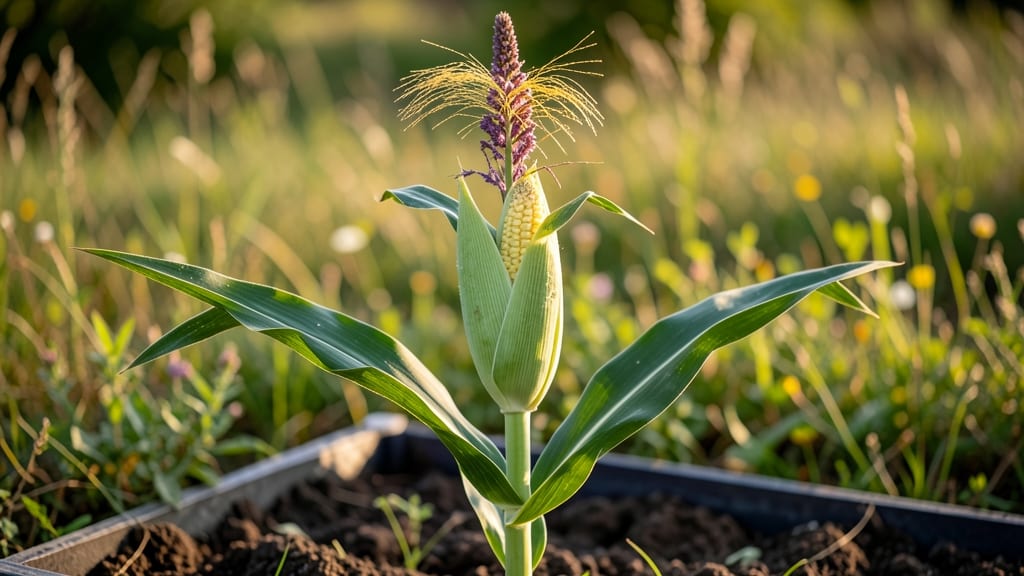
Planting 60-day corn varieties means fresh ears in just two months—no waiting until fall to enjoy homegrown sweetness. 🌽 The secret lies in timing, soil prep, and consistent care that keeps these fast growers on track for that 60-day window without sacrificing flavor or yield.
I learned the hard way that rushing planting or skimping on moisture can turn quick harvests into disappointing flops, but with the right approach, you'll pull silky kernels straight from your garden by summer's end.
Start with well-draining soil rich in organic matter, and plant seeds 1 inch deep, 4–6 inches apart in rows spaced 2–3 feet apart. These varieties thrive in warm soil (at least 60°F), so wait until after your last frost date—typically late April to early May in most regions.
A 3–4 inch layer of mulch keeps moisture steady and suppresses weeds, which is critical since these plants bolt fast if stressed. Choose varieties like 'Early Sunglow' or 'Silver Queen' for reliable 60-day maturity in most climates.
Watering is where most gardeners stumble—1–1.5 inches per week is non-negotiable, especially during tasseling and ear development. Let the top inch of soil dry between waterings to prevent fungal diseases, but never let plants wilt.
You'll know you're on track when tassels appear (the male flowers) followed by silks (the female flowers) within 10–14 days. That's your cue to start checking for ears—peel back husks on a few plants to spot 1-inch ears, then count backward 18–20 days for peak harvest.
Regional tweaks matter: In cooler zones (like Zones 3–5), opt for early varieties and use black plastic mulch to warm the soil faster. In hot climates (Zones 7–10), plant in late summer for fall harvests and provide afternoon shade to prevent drought stress.
Watch for corn earworms—cover plants with lightweight row covers at pollination to keep pests at bay. With these adjustments, you'll turn a 60-day window into a reliable, flavorful harvest every season.
📚 In This Guide
- What you need
- Instructions
- Tips and common mistakes
- Wrapping up and next steps
What you need
- ● 60-Day Corn Seeds: Choose fast-maturing varieties like 'Early Sunglow', 'Silver Queen', or 'Ambrosia'. Buy 1–2 lbs (450–900g) for a small garden (25–50 plants) or 3–5 lbs (1.4–2.3 kg) for a larger plot (50+ plants).
- ● Well-Draining Soil: Test your soil’s pH (aim for 6.0–6.8) and amend with compost (5–10 lbs per 100 sq ft) or aged manure for nutrients.
- ● Fertilizer: Starter Fertilizer (10-10-10 or 5-10-10): 1–2 lbs per 100 sq ft at planting.
- ● Side-Dress Fertilizer (high-nitrogen, like 34-0-0): 1 lb per 100 sq ft 6–8 weeks after germination.
- ● Watering Supplies: Hose with adjustable nozzle OR drip irrigation system.
- ● Watering can (for seedlings).
- ● Garden Space: Full sun (6–8 hours daily).
- ● Minimum 100 sq ft for a small patch (plant in blocks, not rows, for better pollination).
- ○ Trellis or Support (Optional but Helpful): Bamboo stakes or a 6–8 ft tall trellis for varieties like 'Sugar Snap' or 'Peaches & Cream'.
- ● Mulch: Straw or grass clippings to retain moisture and suppress weeds.
- ● Corn Glue or Pollination Aid: A small brush or corn silk from another plant to hand-pollinate if weather is windy.
- ● Row Cover: Lightweight fabric to protect seedlings from pests or frost.
- ● Corn Planter or Transplanter: For precision planting (especially useful for larger gardens).
- ● Harvest Knife or Pruners: Sharp tools to cut stalks cleanly at harvest time.
Step-by-step guide to growing fast-harvest sweet corn
Here's how to grow sweet corn that reaches harvest in just 60 days—using proven techniques for quick, reliable results.
🌱 Step 1: Select and Prepare the Right Variety
Choose a 60-day variety like 'Early Sunglow' or 'Silver Queen'—these are bred for speed and sweetness. I always buy certified organic seeds to avoid genetically modified traits that can affect flavor and growth speed. Plant seeds when soil reaches 60°F or warmer, which usually means waiting until after your last frost date.
Test soil pH first—sweet corn thrives in 6.0-6.8 pH. If your soil is too acidic, add dolomitic lime a few weeks before planting. I like to work in 2-3 inches of compost at the same time to boost fertility. This ensures your corn has the nutrients it needs to grow quickly and resist disease.
🪴 Step 2: Plant Seeds in Blocks for Pollination
Corn is wind-pollinated, so plant seeds in 4x4 foot blocks—not rows. For 4 plants, that means a 4x4 foot square with seeds spaced 12 inches apart in all directions. Plant 2 seeds per hole, 1 inch deep, and thin to the strongest seedling once they're 6 inches tall.
Here's the thing—planting in blocks ensures every plant has neighbors for cross-pollination. If you plant single rows, the outer plants often produce poor ears because they lack pollination partners. I mark my planting spots with wooden stakes so I don't accidentally disturb the soil when working nearby.
☀️ Step 3: Maintain Consistent Moisture and Fertility
Water 1-2 inches per week—keep soil consistently moist but never soggy. Corn roots need steady hydration to grow quickly, but waterlogged soil invites rot. I water at the base in the early morning so leaves dry quickly, reducing fungal risks. Mulch with 2-3 inches of straw after germination to retain moisture and suppress weeds.
Side-dress with ½ cup of 10-10-10 fertilizer when plants reach 12 inches tall. This mid-season boost ensures your corn has enough nitrogen for rapid growth. Watch for yellowing lower leaves—that's your cue to fertilize again. I also sprinkle a handful of Epsom salt around each plant at this stage for magnesium, which prevents poor ear development.
🌿 Step 4: Monitor for Pests and Disease
Check plants weekly for corn earworm and corn borers. You'll spot earworm damage as small holes in silks or chewed kernels. I wrap ears in paper bags when silks first appear to block egg-laying moths. For borers, look for sawdust-like frass at the base of stalks—treat with neem oil if you see signs.
Fungal diseases like gray leaf spot show as grayish spots with purple borders. Remove infected leaves immediately and improve airflow by thinning plants slightly if they're crowded. I rotate my planting location yearly to prevent soil-borne diseases from building up—corn is heavy-feeder that depletes nutrients quickly.
⏰ Step 5: Harvest at Peak Sweetness
Harvest when silks turn brown and dry and kernels are plump and milky-white when pierced with a fingernail. For 60-day varieties, this usually falls 18-22 days after tasseling (when the pollen-producing stalks appear). I test kernels by cutting one ear open—if they're still slightly translucent, they're perfect for eating fresh.
Cut ears with 2-3 inches of stalk attached and store in the fridge for up to 5 days. For longer storage, blanch and freeze. Here's a pro tip: Harvest early in the morning when sugars are highest. If you miss the window, kernels turn starchy and lose sweetness—so stay vigilant during those final days!
Tips & tricks for fast-growing sweet corn success
Real talk: Growing sweet corn in just 60 days requires precision—not magic. Here's how to optimize every step for that speedy harvest without sacrificing quality.
Variety Selection Matters: Stick to certified organic 60-day varieties like 'Early Sunglow' or 'Silver Queen'—these are specifically bred for rapid growth and won't disappoint. I've tried faster-maturing varieties that promised 50 days, but they always sacrificed sweetness or yield. The 60-day window gives you the perfect balance of speed and quality, so don't cut corners here. Also, save seeds from your best ears for next year—they'll adapt perfectly to your microclimate.
Timing is Everything: That 60°F soil temperature threshold is non-negotiable for germination. I use a soil thermometer to confirm—cold soil delays growth and can push your harvest past the 60-day window. If you're in a cooler climate, consider using black plastic mulch to warm the soil faster. Planting too early is the #1 reason home gardeners miss their target harvest date. And remember: The 18-22 days after tasseling is your tightest window—mark your calendar when those pollen stalks appear!
Pollination Strategy: The 4x4 foot block planting method is your secret weapon for reliable pollination. I've seen gardeners plant single rows and get poor ear development on the outer plants—don't make that mistake! For even better results, plant at least two blocks with different varieties (like 'Early Sunglow' and 'Silver Queen') to ensure cross-pollination. This creates stronger, more productive plants that won't waste energy competing for pollen partners.
Nutrient Timing: That ½ cup of 10-10-10 fertilizer at the 12-inch mark isn't just arbitrary—it's when your plants need that nitrogen boost most. I've learned this the hard way: Skipping this step leads to yellowing leaves and poor ear development. The Epsom salt addition is equally critical for magnesium, which prevents those telltale brown streaks on developing ears. Think of it as your corn's growth steroid—timed perfectly for maximum impact.
Pro Tips for 60 Day Corn
- Real talk: Growing sweet corn in just 60 days requires precision—not magic.
- Variety Selection Matters: Stick to certified organic 60-day varieties like 'Early Sunglow' or 'Silver Queen'—these are specifically bred for rapid growth and won't disappoint.
- Timing is Everything: That 60°F soil temperature threshold is non-negotiable for germination.
Frequently asked questions
Got questions about 60-day corn? You’re not alone—this fast-growing variety is exciting, but it’s smart to clarify a few key details before planting. Here are answers to the most common queries to help you grow a bountiful harvest in just two months!
What does “60-day corn” mean, and how is it different from regular corn?
60-day corn
refers to fast-maturing sweet corn varieties that go from seed to harvest in about 60 days (or less!) under ideal conditions. Unlike standard corn (which can take 80–120 days), these varieties are bred for speed, making them perfect for short growing seasons, small gardens, or impatient gardeners. They’re also often bush-type (shorter stalks) or succulent (sweeter, less starchy), so they won’t tower over your plot or require extensive support.
Can I really harvest corn in just 60 days?
Yes—but it depends on your climate, soil, and care. Most 60-day varieties thrive in warm weather (70–85°F) and need full sun (6+ hours/day). If your growing season is shorter, opt for early-maturing hybrids like ‘Early Sunglow’ or ‘Silver Queen’ and start seeds indoors 2–3 weeks before the last frost. Pro tip: Use black plastic mulch or row covers to warm the soil faster!
What are the best 60-day corn varieties for beginners?
Here’s a quick table of top picks for speed, flavor, and ease of growing:
| Variety | Days to Harvest | Key Traits |
|---|---|---|
| ‘Early Sunglow’ | 60–65 days | Sweet, yellow kernels; great for small gardens (5–6 ft tall). |
| ‘Silver Queen’ | 60–68 days | Classic white corn; reliable and disease-resistant. |
| ‘Ambrosia’ | 58–65 days | Super-sweet, bi-color (yellow/white); loves heat. |
| ‘Peaches and Cream’ | 60–65 days | Buttery texture; perfect for canning or freezing. |
Tip:
If you’re in a cool climate, pair these with row covers to extend the season!
Do I need to plant multiple rows of 60-day corn for pollination?
Yes! Even fast corn needs cross-pollination to produce ears. Plant at least two rows 10–20 feet apart (or a small block) to ensure good kernel development. If you only have space for one row, consider hand-pollinating with a paintbrush or planting a few extra seeds nearby. Fun fact: Corn is wind-pollinated, so rustling the leaves gently can help!
Why did my 60-day corn plants look healthy but produced no ears?
No ears? Don’t panic—this usually happens due to poor pollination, overcrowding, or nutrient issues. Check these fixes:
- Spacing: Thin plants to 8–12 inches apart (too close = competition).
- Pollination: If ears form but stay small, shake the plants on a warm, still day to spread pollen.
- Nitrogen: Side-dress with compost or blood meal if leaves are pale.
- Pests: Corn earworms or raccoons can munch ears—use row covers or diatomaceous earth.
If the issue persists, try a different variety next season (some are more resilient!).
Wrapping up and next steps
Growing 60-day corn is an exciting way to enjoy fresh, homegrown ears in just two months—perfect for small spaces, impatient gardeners, or those craving quick rewards! 🌽 With the right variety, soil prep, and care, you’ll harvest sweet, tender corn faster than you think.
Whether you’re a beginner or a seasoned gardener, this fast-growing method proves that good things really do come to those who wait (only 60 days!).
Ready to take the next step? Start with your chosen seeds, mark your calendar, and watch your garden transform into a cornucopia of fresh, homegrown goodness. Happy planting—and get ready to savor the fruits (or should we say, kernels?) of your labor! 🌱✨