
Planting
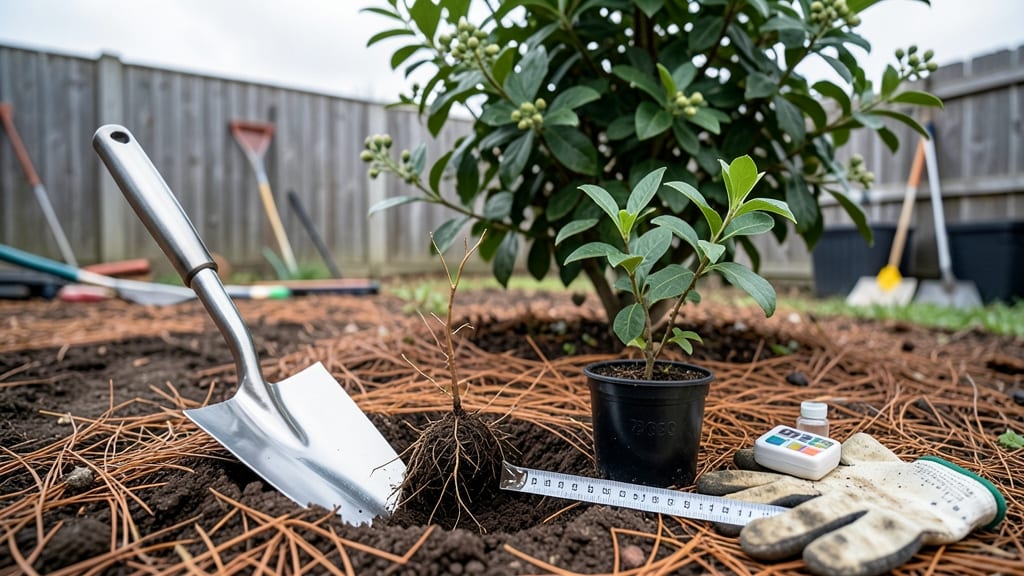
Optimal blueberry planting depth by root type: a science-backed guide
Blueberries thrive when planted at the right depth—too shallow or too deep can stunt growth and reduce fruit production. The root flare, where roots meet the stem, must be exposed to prevent rot while ensuring roots have access to moisture.
For bare-root and container-grown plants, the depth varies slightly, but the goal is always the same: healthy root development and nutrient uptake.
Getting the depth right isn’t just about measurements—it’s about understanding how soil composition and root type interact. Sandy soils dry faster, requiring slightly deeper planting to retain moisture, while clay soils may need adjustments to prevent waterlogging.
Let’s break down the science so you can plant with confidence and watch your blueberries flourish.
| Root Type | Planting Depth | Root Flare Exposure | Soil Prep Requirement | Water Absorption Impact |
|---|---|---|---|---|
| Bare-Root | 2–3 inches deep | Exposed (1–2 inches above soil) | Loosen soil 12–18 inches deep | Faster absorption, less rot risk |
| Container-Grown | Same as pot depth (no deeper) | Exposed (top of root ball flush with soil) | Amend soil with peat moss | Slower absorption, needs mulch |
For bare-root blueberries, dig a hole twice as wide as the root spread but only 2–3 inches deeper than the roots. The root flare—the swollen area where roots meet the stem—should sit 1–2 inches above soil level.
This exposure prevents rot while allowing roots to access moisture without drowning. Bare-root plants benefit from loosened soil 12–18 inches deep, improving water and nutrient uptake.
Container-grown blueberries require a different approach. Since they’re already potted, you’ll plant them at the same depth as their container, ensuring the top of the root ball sits flush with the soil surface. The root flare must remain visible to avoid suffocation.
Container plants often have compacted roots, so gently tease them apart before planting to encourage outward growth. Amending the soil with peat moss or compost helps mimic their acidic growing conditions.
Soil composition plays a critical role in determining the ideal depth. In sandy soils, which drain quickly, planting 1 inch deeper than recommended helps retain moisture near the roots.
Conversely, clay soils may require raising the planting depth slightly to prevent waterlogging. Always test your soil’s pH (4.5–5.5 ideal) and adjust with sulfur or lime if needed before planting.
Depth also affects how blueberries absorb water and nutrients. Roots need oxygen, and burying them too deep can suffocate them, leading to root rot or stunted growth. Shallow planting, however, exposes roots to drying winds and insufficient moisture.
The key is striking a balance: 2–3 inches deep for bare-root and flush with soil for container-grown ensures roots have access to both water and air.
After planting, water deeply to settle the soil and eliminate air pockets. Mulch with 2–3 inches of pine needles or wood chips to retain moisture and acidity. Avoid piling mulch against the stem, as this can trap moisture and cause rot.
Monitor the root flare over time—if it sinks below soil level, add more mulch around the base to lift it back into position.
Regional climate also influences depth adjustments. In hot, dry climates, planting slightly deeper (up to 3 inches) helps roots access moisture. In cooler, wetter regions, keep the depth shallower (closer to 2 inches) to prevent waterlogging.
Always adapt to your local conditions while adhering to the general guidelines for your blueberry type.
Proper depth isn’t just about immediate growth—it sets the stage for years of abundant harvests. By following these science-backed techniques, you’ll ensure your blueberries establish strong roots, thrive in their environment, and reward you with juicy, plump berries for seasons to come. Happy planting!
Common blueberry planting mistakes that stunt growth (and how to fix them)
Even experienced gardeners make critical mistakes when planting blueberries, and burying the root crown too deep is the most common. This simple error suffocates roots by cutting off oxygen and trapping moisture, leading to root rot and stunted growth.
I’ve seen blueberry bushes planted 2-3 inches too deep fail to thrive while identical plants in proper depth flourished.
The second biggest mistake? Over-compacting soil around the roots during planting. When soil is packed too tightly, it restricts root expansion and water absorption. I once planted a highbush variety in heavy clay soil without amending it first—within weeks, the roots showed signs of stress from poor aeration.
Ignoring drainage requirements is another silent killer. Blueberries hate soggy feet, yet many gardeners plant them in low spots where water pools. In my zone 6a garden, I’ve had to raise beds by 6 inches for blueberries planted in naturally wet areas to prevent root suffocation.
To fix drainage issues, create a raised mound or amend heavy soil with coarse sand or perlite (20% mix). For container planting, ensure pots have drainage holes and use a well-draining potting mix designed for acid-loving plants.
I’ve seen rabbiteye varieties thrive in containers with proper drainage that would otherwise fail in-ground.
One final mistake? Skipping soil pH testing before planting. Blueberries need acidic soil (pH 4.5–5.5), but many gardeners assume their soil is ready. I tested my garden soil last year and found it at pH 6.8—adding sulfur and peat moss brought it to the ideal range within months.
For a quick fix, mix sphagnum peat moss or pine needles into the planting hole. Re-test soil annually and re-amend if pH drifts above 5.5. With these corrections, even struggling blueberry bushes can recover and produce abundant harvests within a season.