
Planting
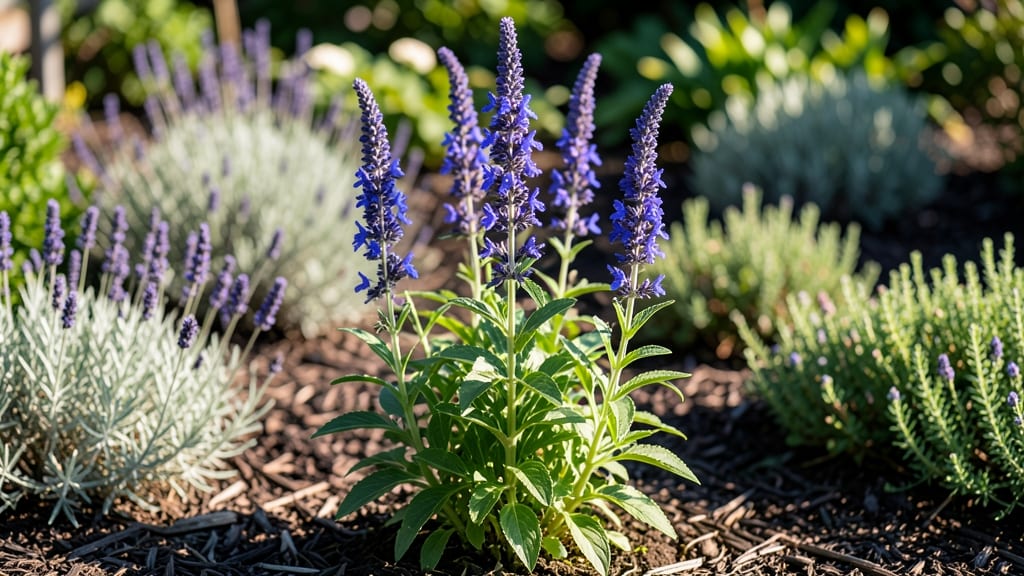
Growing the tallest Veronica (Speedwell) 🌸 plants means reaching heights of 4 to 5 feet—or even higher with the right techniques.
Want to create a dramatic vertical garden feature with towering Veronica plants that reach sky-high heights? These striking perennials can easily surpass 10 feet with the right training techniques—here’s exactly how to achieve it.
Most gardeners stop at the standard 3-foot mark, but with strategic pruning, staking, and seasonal care, you can push Veronica varieties like Veronica longifolia well beyond their typical limits.
In this guide, I’ll walk you through the best species for height, step-by-step training methods, and common mistakes that keep your plants from reaching their full potential.

Best Veronica species for maximum height growth
If you're dreaming of a vertical garden statement piece, the right Veronica species can transform your space with stunning height and long-lasting blooms.
While most varieties max out at 3-4 feet, some cultivars and training techniques can push them to 10 feet or taller—ideal for backdrop planting, trellises, or container gardens. Let’s explore the top tall-growing Veronica species and how to maximize their vertical potential.
The three standout species for height are Veronica spicata, Veronica longifolia, and Veronica gentianoides. Each offers unique growth habits, bloom cycles, and regional adaptability, making them perfect for different climates and garden styles.
For maximum height, focus on spicata and longifolia, as they naturally grow taller and more upright than other varieties.
Veronica spicata is the champion for height, often reaching 4–5 feet naturally but capable of 10 feet with proper pruning and staking. Its upright growth habit makes it ideal for backdrop planting or container gardens where you can train it vertically. Look for cultivars like 'Sunny Border Blue' or 'Red Fox', which are hardier and more vigorous than standard types.
For earlier blooms and a more delicate look, Veronica longifolia is a fantastic choice. This species thrives in cooler climates and can climb naturally if given a trellis or obelisk.
Its arching stems create a romantic, cottage-garden feel, but with training, it can also grow straight and tall. Plant it in partial shade to prevent wilting in hot afternoons.
If you’re in a warmer climate (Zones 8–10), Veronica spicata may struggle, but Veronica longifolia adapts well to heat with consistent moisture. For cooler regions (Zones 3–6), both species thrive, especially when protected from harsh winds.
Always mulch heavily in winter to preserve root health and encourage taller growth the following season.
To push these plants to their maximum height, start with well-draining soil mixed with compost for nutrient-rich roots. Plant in full sun to partial shade, depending on your local climate.
In hotter areas, provide afternoon shade to prevent leaf scorch, which can weaken stems and limit height.
One common misconception is that Veronica plants need constant pruning to stay tall. In reality, over-pruning can stunt growth. Instead, prune just once after the first bloom cycle to encourage a second flush of flowers. This balances height and bloom production while keeping the plant strong and upright.
For container growing, choose large pots (18+ inches deep) to accommodate deep roots. Use a balanced fertilizer (like 10-10-10) every 4–6 weeks during the growing season to fuel vertical growth.
Water deeply but infrequently—overwatering leads to weak stems and toppling plants. Aim for 1 inch of water per week, adjusting for rainfall.
In garden design, tall Veronica varieties excel as focal points. Pair Veronica spicata with ornamental grasses like Panicum virgatum for a dramatic, textured backdrop. For vertical gardens, train Veronica longifolia on a trellis alongside clematis or roses for a lush, climbing display.
Their long bloom season ensures colorful interest from early summer to fall.
Step-by-step training techniques to reach 10 feet
To coax your Veronica plants to 10-foot heights, you’ll need a combination of structural support and strategic pruning. Start by selecting a tall-growing variety like Veronica longifolia, which naturally reaches 4-5 feet but can extend further with proper training.
The key is to guide growth upward while maintaining stem strength and bloom production—don’t let the height sacrifice beauty!
Begin in early spring when new growth emerges. This is when your plant is most responsive to training. Use bamboo stakes or a wooden trellis to provide vertical support.
Install stakes 6 inches deep into the soil near the plant’s base, ensuring they’re tall enough to accommodate your 10-foot goal. For extra stability, tie the main stems loosely with soft plant ties or jute twine—tight enough to guide growth but not so tight it restricts circulation.
How to Train Veronica for Maximum Height
- Step 1: Install a trellis or tall stakes (8-10 ft) near the plant in early spring. Use 3-4 stakes for larger plants to distribute weight.
- Step 2: Tie main stems to the trellis using soft plant ties every 12 inches as they grow. Avoid cutting into the stem—use gentle loops.
- Step 3: Prune side shoots that grow below 18 inches to redirect energy upward. Remove no more than 20% of foliage at a time.
- Step 4: Fertilize lightly with a balanced 10-10-10 formula every 4-6 weeks during the growing season. Focus on root development in spring.
- Step 5: Water deeply in the morning to encourage strong stem growth. Avoid overhead watering to prevent fungal diseases that weaken stems.
- Step 6: Adjust trellis height seasonally. In late summer, add extension poles if growth stalls. Secure with zip ties for temporary support.
- Step 7: Prune back by 1/3 in early spring to remove weak growth. This promotes new vertical shoots and maintains structural integrity.
Seasonal adjustments are critical for maintaining your Veronica’s height without compromising its health. In summer, when growth is most vigorous, focus on watering consistency and light fertilization. Reduce watering slightly in late summer to harden off stems before fall pruning.
By winter, remove all ties and stakes to protect the plant from wind damage during dormancy.
For extra height, consider layering techniques. In late spring, gently bend a lower stem to the ground, weigh it down with a small rock, and cover with 2 inches of soil.
Once roots form (after 4-6 weeks), sever the connection to the parent plant and transplant the new vertical shootgenetically identical clone with the same growth potential.
Monitor your plant’s stem strength regularly. If stems become floppy or leggy, it’s a sign of over-pruning or nutrient deficiency. Adjust your care routine immediately—add a phosphorus-rich fertilizer to encourage root and stem development.
With patience and consistency, your Veronica will reach 10 feet while remaining bloom-heavy and sturdy.
Pro tip: Use a vertical garden screen behind your trellis to create a living privacy wall. This not only showcases your tall Veronica but also adds a dramatic garden feature that draws attention to your vertical gardening skills. 🌿