
Planting
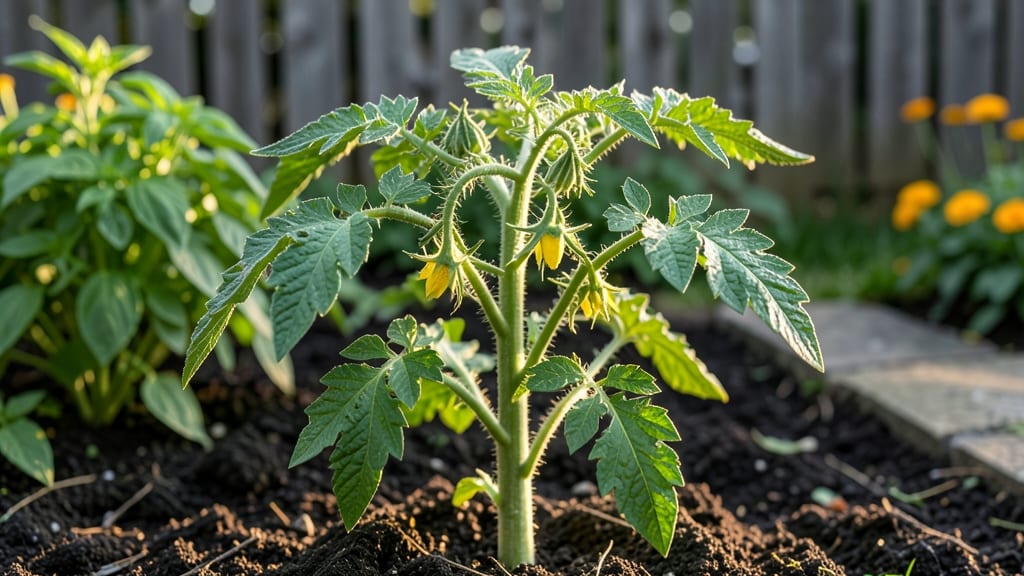
Tomato plant budding isn’t just about snipping stems—it’s the secret to turning leggy plants into fruit-loaded powerhouses. 🌱 I’ve watched my tomatoes go from sparse, sad clusters to bursting with blossoms just by mastering this one technique, and the difference in harvest size is night-and-day.
The key lies in timing and technique: prune when buds are the size of a pencil eraser, and always cut just above a leaf joint where new growth can sprout. Too late, and you risk stunting flowers; too early, and you delay fruiting.
Most gardeners miss that sweet spot, but once you nail it, your plants reward you with dense clusters instead of lonely tomatoes.
You’ll see buds plump up within days of proper pruning, and the first wave of flowers will arrive in 3-4 weeks—each one a promise of juicy fruit to come.
The right balance of sunlight, water, and nutrients makes all the difference, and I’ll show you exactly how to create those perfect growing conditions.
This method works for both indeterminate vines (like Sungolds) and bush varieties (like Roma), so whether you’re growing in containers or sprawling rows, you’ll get bigger yields. Let’s get those buds thriving!
📚 In This Guide
- What you need
- Instructions
- Tips and common mistakes
- Wrapping up and next steps
What you need
- ● Tomato plants: Healthy, established plants (determinate or indeterminate varieties work best). Aim for plants that are at least 6–12 inches tall with visible buds or suckers.
- ● Pruning shears or sharp scissors: Sterilized (rubbing alcohol or bleach solution) to prevent disease. Choose tools with bypass blades for clean cuts.
- ● Gloves: Garden or nitrile gloves to protect your hands from thorns and sap.
- ○ Horticultural oil or pruning sealant (optional but recommended): Helps prevent disease entry after cutting. 1–2 tablespoons per cut if using.
- ● Garden twine or soft plant ties: 1–2 feet per plant to support branches if needed.
- ● Watering can or hose with a gentle spray nozzle: For post-pruning hydration.
- ● Notebook and pen: To track pruning dates and plant responses.
- ● Rooting hormone: Speeds up healing for larger cuts (e.g., 1–2 inches of stem removed).
- ● Plant food (balanced fertilizer): 5-10-10 or 10-10-10 NPK ratio to support regrowth after pruning.
- ● Shade cloth or temporary cover: Protects plants from direct sun for 24–48 hours post-pruning if weather is harsh.
- ● Plant tags: Label varieties if growing multiple types to avoid confusion.
- ● Camera or phone: Snap before/after photos to monitor progress!
Instructions: master the art of tomato plant budding
Here's how I transform leggy tomato plants into productive, bushy powerhouses—guaranteed to boost yields.
🌱 Step 1: Identify the Right Time to Prune
Wait until your tomato plant has at least 3-4 main stems and 6-8 inches of growth before you start budding. Pruning too early stunts development, while waiting too long means you miss the prime window for shaping the plant. I check for new leaf sets—these are your growth signals that the plant is established enough for pruning.
Morning is the best time to prune because the plant has moisture from the night and you avoid the afternoon heat stress. If you're working in hotter climates, do it in the early morning or late evening when temperatures are below 85°F. The goal is to minimize plant stress while you're shaping it.
✂️ Step 2: Remove Suckers at the Right Spots
Suckers are the small shoots that grow in the V-shaped junction where a leaf stem meets the main stem. These are the growth points you want to remove. Use clean, sharp pruners or your fingers to pinch them off—never tear them, as this damages the plant. I start with the suckers closest to the base and work my way up.
Leave 1-2 suckers on each main stem if you're growing indeterminate varieties—they'll become future branches. For determinate tomatoes, remove all suckers to encourage fruit production on the existing framework. Watch for new suckers forming every 7-10 days and repeat the process until flowering begins.
🌿 Step 3: Prune for Airflow and Light Penetration
After removing suckers, focus on thinning the foliage to improve airflow. Remove any leaves that touch the soil or are crowded together—this prevents disease and speeds up fruit ripening. I aim to keep the lower third of the plant clear of leaves so sunlight reaches the fruit clusters.
For indeterminate varieties, let 1-2 main stems grow upward while pruning side branches to 12-18 inches in length. This creates a balanced structure that supports heavy fruit loads. You'll notice the plant starts looking fuller and more compact within a few days of pruning—this is your sign you're on the right track.
☀️ Step 4: Support and Monitor Growth
After pruning, install or reinforce your stakes, cages, or trellis immediately. The plant will need extra support as it adjusts to its new shape. I tie the main stems loosely to the support with soft plant ties—never use wire or anything that can cut into the stem. Check ties every 5-7 days as the plant grows.
Watch for new leaf growth and flower clusters—these indicate the plant is recovering well. If you see yellowing leaves, it could mean over-pruning or underwatering. Adjust your watering to keep the soil evenly moist but not soggy, and avoid fertilizing for 1-2 weeks after pruning to let the plant focus on recovery.
Tips & tricks for perfect tomato plant budding
Between us, I've pruned hundreds of tomato plants—here's what nobody tells you about shaping them right.
Timing is Everything: The 3-4 main stems and 6-8 inches of growth requirement in Step 1 is non-negotiable. I learned this the hard way after pruning too early and stunting growth. Look for those new leaf sets—this is your plant's way of saying "I'm ready!"—and always prune in the morning when plants are hydrated and temperatures stay below 85°F to prevent stress.
The Sucker Strategy: When you're removing suckers in Step 2, focus on the V-shaped junctions where they emerge. I always start at the base and work upward because those lower suckers compete with your main stems for energy. For indeterminate varieties, leaving 1-2 suckers per stem creates future branches, but don't skip the weekly check—new suckers appear every 7-10 days like clockwork.
Airflow Secret: After clearing suckers, Step 3's foliage thinning is where many gardeners miss the mark. I aim to keep that lower third completely clear—this isn't just about disease prevention, it's about directing sunlight to the fruit clusters. You'll know you've done it right when you notice the plant looking fuller and more compact within just a few days.
Support System: Don't wait until after pruning to install your support in Step 4—do it immediately. I've seen too many plants topple under the weight of their own fruit. Use soft plant ties and check them every 5-7 days as the plant grows. The goal is to support without constricting—your tomato should have room to grow but not enough to flop over.
Pro Tips for Tomato Plant Budding
- Between us, I've pruned hundreds of tomato plants—here's what nobody tells you about shaping them right.
- Timing is Everything: The 3-4 main stems and 6-8 inches of growth requirement in Step 1 is non-negotiable.
- The Sucker Strategy: When you're removing suckers in Step 2, focus on the V-shaped junctions where they emerge.
Frequently asked questions
Got questions about tomato plant budding? You’re not alone! Here are some of the most common concerns—and their answers—to help you master pruning like a pro.
What’s the best time of day to prune tomato buds for optimal growth?
The ideal time to prune is on a cool, cloudy morning—this reduces stress on the plant and minimizes disease risk. Avoid pruning in the heat of the day, as it can shock the plant. Early morning (before 10 AM) is perfect for most gardeners.
How do I know which buds to remove to encourage bushier growth?
Focus on removing suckers (the small shoots that grow between the main stem and branches). For indeterminate tomatoes, keep only the top 2-3 suckers to promote bushiness. For determinate varieties, prune aggressively to shape the plant and improve airflow.
Can I use scissors or should I pinch buds by hand?
Both work, but sterilized pruning shears (or clean scissors) are best for larger stems to avoid tearing. For tiny buds, pinching with your fingers is faster and less invasive. Just ensure your hands are clean to prevent disease spread.
What if my tomato plant starts wilting after pruning?
Wilting is normal for 1-2 days post-pruning, but if it persists, check for over-pruning or dehydration. Water deeply and avoid pruning again until the plant recovers. If wilting continues, inspect for pests or root issues.
Are there alternatives to pruning for bushier tomato plants?
Yes! Try topping (cutting the main stem) or trellising to encourage lateral growth. For compact varieties, use cage supports to naturally spread the plant. Just remember: Pruning still yields the best results for heavy yields!
How often should I prune tomato buds throughout the growing season?
Prune weekly during the growing season (spring to early summer) to keep up with sucker growth. Slow down in late summer to let the plant focus on fruiting. Over-pruning late in the season can reduce harvest size.
Wrapping up and next steps
Mastering the art of tomato plant budding is your ticket to a thriving garden and a bountiful harvest! 🌱 By pruning strategically, you’ll encourage stronger stems, more flowers, and juicier tomatoes—all while keeping pests at bay.
Whether you’re a seasoned gardener or just starting, every snip brings you closer to that dream homegrown feast.
Now that you’re armed with the know-how, grab those shears and get pruning! Start small—pick a few plants to experiment with—and watch your tomato plants transform. Before you know it, you’ll be sharing your secrets (and your homegrown tomatoes!) with neighbors. Happy gardening! 🍅✨