
Planting
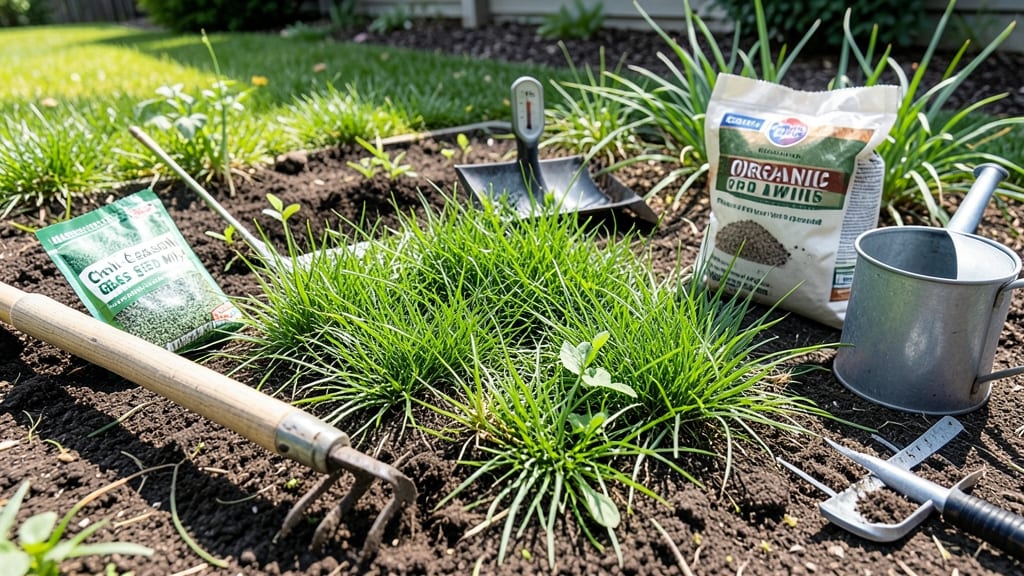
You can plant grass seed in Massachusetts between early spring (March) and early fall (September), but timing is everything—get it wrong, and your lawn will struggle before it even starts.
Picture this: you’ve spent hours spreading seed, only to watch frost nip the tender sprouts or weeds choke out your new grass. The secret? Planting when soil temperatures hit 50°F–65°F for cool-season grasses like Kentucky bluegrass, which thrive in Massachusetts’ 5b-6b climate.
Too early, and frost will kill seedlings; too late, and weeds will steal the show.
In this guide, I’ll break down the exact frost-free windows for your region—whether you’re in Boston, the Berkshires, or Cape Cod—and how to prep soil for success. No more guesswork, just a lawn that takes root fast and stays green.
You’ll also learn how to adjust for shade, drought, or heavy clay soil, plus a checklist to keep your grass seed from becoming a costly experiment. Let’s get that lawn growing right.
Massachusetts frost-free dates and ideal grass seed planting windows
Massachusetts’ diverse climate—from Boston’s coastal breezes to the Berkshires’ inland valleys—means frost-free dates vary dramatically across regions. For cool-season grasses (like Kentucky bluegrass and fescue), timing is everything: plant too early, and frost will kill tender sprouts; too late, and weeds will outcompete your lawn.
The 6-8 week window before first frost is your sweet spot, but soil temperature (not just air temp) dictates success.
Western Massachusetts (e.g., Springfield, Pittsfield) typically sees its last frost around April 15, while Cape Cod and the South Shore delay until May 10–15. Boston sits in between, with April 20–May 1 as the average.
These dates shift yearly, so always check the USDA Plant Hardiness Zone Map (5b–6b) for updates. For warm-season grasses (like Bermuda or zoysia), wait until soil hits 65°F+—usually late May to June.
Here’s the critical rule: Cool-season grasses thrive when soil temps are 50°F–65°F. Use a soil thermometer (or the back of your hand—if it feels cool but not freezing, it’s ready).
Warm-season grasses need consistent 65°F+ for 2+ weeks before planting. Fall planting (late August–September) is ideal for cool-season grasses, giving roots time to establish before winter.
Regional microclimates add complexity. Cape Cod’s coastal influence delays frost until October 20–30, while inland valleys (like the Connecticut River) may frost by October 10. High elevations (e.g., Mount Greylock) can frost 2–3 weeks earlier than lowland areas.
Always adjust your planting window by 1–2 weeks based on elevation and proximity to water bodies.
Now, let’s break down the exact planting windows for Massachusetts’ three key regions, including soil temp thresholds and frost risks:
For cool-season grasses, aim to plant 6–8 weeks before first frost. In Boston, that’s early September for fall planting or late April for spring. Western MA’s earlier frost means you’ll need to plant by mid-September or risk winter damage.
Cape Cod’s delayed frost gives you a longer fall window, but watch for hurricane season (Sept–Oct), which can delay germination.
Warm-season grasses like Bermuda or zoysia are rare in MA but gaining popularity in southern coastal areas. Plant these only after soil hits 65°F+, usually late May–June.
These grasses go dormant in winter, so they’re not ideal for northern MA’s harsh winters. If you’re in Zone 6b (e.g., Worcester), stick to cool-season types for year-round coverage.
Pro tip: Use a soil thermometer to confirm readiness. If temps dip below 50°F at night (common in
Soil temperature and grass seed germination: what to watch in MA
Planting grass seed in Massachusetts isn’t just about picking a month—it’s about understanding your soil temperature. Cool-season grasses like Kentucky bluegrass and tall fescue thrive when soil hits that sweet spot between 50°F–65°F.
Too cold, and your seeds won’t germinate; too warm, and they’ll dry out before sprouting. I’ve learned the hard way that rushing this step can leave you with patchy lawns or wasted seed.
Most gardeners in MA focus on late spring or early fall for planting, but without checking soil temps, you might be off by weeks. For example, Boston’s soil might still be chilly in early May, while Western MA could be ready by late April.
The key is consistent warmth—not just air temperature. I’ll show you how to test it accurately, whether you’re using a fancy thermometer or a DIY trick with a jar of water.
⚠️ callout warning ⚠️
⚠️ Warning Signs You’re Planting Too Early or Too Late
- Too Early: Frost damage—tiny seedlings popping up only to be killed by overnight freezes. You’ll see yellowed, crispy patches where your grass should be.
- Too Late: Weed competition—your grass struggles to outcompete crabgrass or clover, leaving you with a mixed, unsightly lawn.
- Perfect Timing: Even germination—seeds sprouting uniformly within 7–14 days, with no frost warnings for 2 weeks.
Pro Tip: Use a soil thermometer for 3–5 days to confirm temps stay in the 50°F–65°F range before planting.
To test soil temperature without a thermometer, grab a mason jar and fill it halfway with water. Bury it in your garden bed for 24 hours, then check the water’s temperature with a meat thermometer.
If it’s below 50°F, wait another week. I’ve used this trick for years—it’s foolproof and costs pennies. For cool-season grasses, aim to plant when soil temps are consistently above 50°F but below 65°F.
Once your seeds hit the ground, monitor for even moisture and sunlight. Grass seed needs to stay damp but not soggy—think of a damp sponge, not a swamp. I set up a lightweight sprinkler on a timer for the first 2 weeks to keep things consistent.
If you see dry, crusty soil, water again immediately. Germination should start in 7–14 days if conditions are right.
Don’t forget to watch for weed pressure after planting. If you delay too long into summer, weeds will steal nutrients and sunlight from your young grass. I’ve seen lawns planted in July or August end up looking more like a weed patch than a lawn.
For MA’s climate, late August to early September is your last chance for a fall planting—just make sure soil temps stay above 50°F for at least 6 weeks after seeding.
Here’s my quick checklist before you plant: ☑️ Soil temp between 50°F–65°F (test for 3 days) ☑️ No frost predicted for 2 weeks ☑️ Soil is loose and level (no clumps or rocks) ☑️ Weeds are minimal or pre-treated ☑️ You’ve got a watering plan for the first 30 days Once you’ve checked these boxes, you’re ready to sow with confidence.
Your lawn will thank you! 🌱