
Planting
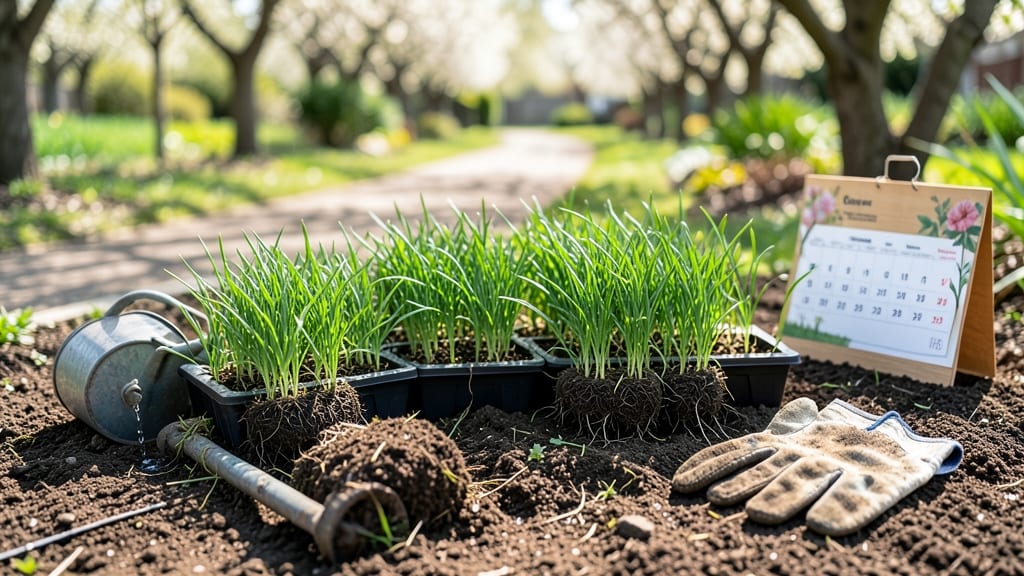
You should plant grass in the spring when soil temperatures hit 50°F–65°F—the perfect window for germination and root growth, whether you're seeding a new lawn or overseeding an existing one 🌱.
Timing your spring grass planting wrong can mean wasted seed, slow growth, or even failure—so knowing the exact soil temperature window is critical for lush, healthy lawns.
In USDA Zone 6, that typically means waiting until mid-April, after your last frost (around April 15 in most areas), but the real key is soil warmth, not just calendar dates.
Below, I’ll walk you through how to test your soil, adjust for your grass type (cool-season vs. warm-season), and avoid the three biggest mistakes that derail even the best-laid plans.
Ideal soil temperature ranges for planting grass seed in spring
Timing your spring grass planting is one of the most critical decisions for a lush, healthy lawn. Soil temperature determines whether your grass seed germinates quickly or sits dormant, wasting your time and money.
Most gardeners assume "spring" means "go ahead," but the truth is far more precise—your soil thermometer should be your guide, not just the calendar.
Cool-season grasses like Kentucky bluegrass and fescue thrive when soil temperatures hover between 50°F and 65°F, while warm-season varieties such as Bermuda and Zoysia prefer 65°F to 75°F. Planting too early in cold soil slows germination, while waiting too long risks heat stress or weed competition.
Regional differences matter too—northern climates may see ideal conditions in early April, while southern zones might wait until late March.
Here’s the key: Soil temperature is more reliable than air temperature. A sunny day might trick you into thinking it’s warm enough, but the ground could still be too cold for seed to sprout.
Testing your soil’s temperature before planting ensures your grass seed gets the perfect start. Let’s break down the science and how to check it accurately.
If you’re in the northern US, aim for planting when soil temperatures consistently reach 55°F—typically late March to early April. For the southern US, wait until late April or May when the ground warms to 65°F or higher.
These ranges ensure your grass seed germinates within 7–14 days instead of sitting idle or struggling.
Testing your soil’s temperature is simple: use a soil thermometer (available at garden centers for under $10) and check it 2–3 inches deep in the morning.
If the reading is below your grass type’s ideal range, wait a few days and retest. Pro tip: Earthworms are a natural indicator—if they’re active, your soil is likely in the 55°F–65°F sweet spot for cool-season grasses.
One common mistake is planting based on air temperature alone. A sunny 70°F day might feel perfect, but if the soil is still 45°F, your seed will barely sprout.
Conversely, planting too late in hot soil can cause dormancy or even kill young seedlings. Always prioritize soil temperature over guesswork.
For cool-season grasses, the window is narrow—plant too early, and frost may damage tender shoots; too late, and weeds will outcompete your lawn. Warm-season grasses are more forgiving but still need consistent warmth.
If you’re unsure, err on the side of waiting—your lawn will thank you with faster, more uniform growth.
Once you’ve nailed the soil temperature, prepare your lawn by loosening the soil, removing debris, and leveling low spots. A light layer of compost can help retain moisture and warmth, giving your grass seed the best possible start.
After planting, keep the soil moist (not soggy) until germination—consistent moisture is just as critical as temperature.
Remember: Grass seed won’t wait forever. If you miss the ideal window, consider overseeding in early fall (another prime time for cool-season grasses). But with the right soil temperature and timing, you’ll be rewarded with a thick, vibrant lawn by summer.
Now that you know the science behind soil temperature, your next step is testing your lawn’s readiness. Grab that thermometer, check the forecast, and get planting—your future lawn will be the envy of the neighborhood! 🌱
How to check soil temperature before planting grass (DIY methods)
Planting grass seed when the soil temperature is too cold or too warm can stall germination or even kill your seedlings. For cool-season grasses like Kentucky bluegrass or fescue, aim for 50°F–65°F—warm-season types like Bermuda need 65°F–75°F.
Without testing, you might plant too early and face frost damage or too late and miss the ideal window.
Don’t rely on air temperature alone—soil warms up slower, especially in shaded or clay-heavy areas. A soil thermometer (only $10–$15) gives precise readings, but you can also use moisture testing and visual cues like earthworm activity to confirm readiness.
Skipping this step often leads to patchy, slow-growing lawns that struggle to establish.
Here’s my step-by-step guide to checking soil temperature accurately, plus common mistakes that delay germination:
- Testing after rain—soil cools down temporarily.
- Planting based on air temp (soil lags behind by 1–2 weeks).
- Ignoring microclimates (e.g., north-facing slopes stay cooler).
Once your soil hits the ideal range, plant within 24–48 hours to prevent temperature fluctuations. If temps drop below 50°F after planting, cover seeds with straw mulch to insulate them. For warm-season grasses, wait until soil stays above 65°F for 5+ days—rushing leads to seed rot.
Pro tip: Mark your thermometer’s 55°F–65°F range with tape so you can spot the sweet spot at a glance. Consistency is key—grass seed needs stable conditions to germinate uniformly. With these methods, you’ll know exactly when to plant for a thick, vibrant lawn without guesswork. 🌱