
Planting
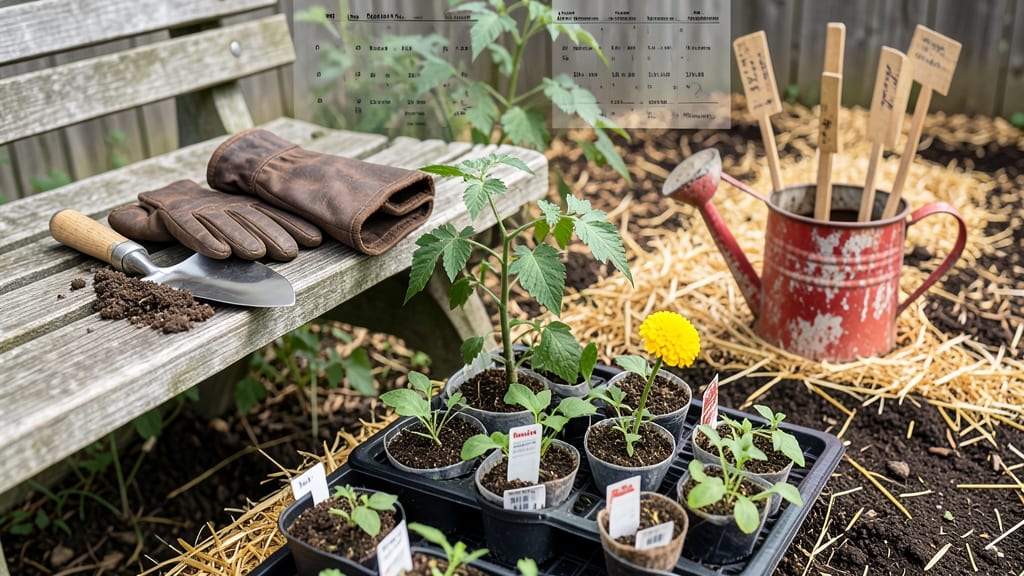
You can plant your garden in Michigan once the soil warms to 50°F and the last frost has passed — typically mid-April to early May, depending on your region.
Michigan’s unpredictable spring weather can turn even the most eager gardener into a nervous wreck — will your plants survive the late frosts or thrive in the early warmth? Timing your garden correctly means the difference between a bumper crop and a sad, wilted disappointment.
In USDA zones 5b-6b, the planting window varies from the Upper Peninsula to Southern Michigan, with frost-free dates shifting by weeks. Cool-season crops like lettuce and peas can go in as early as March indoors, while tomatoes and peppers need to wait until late May or early June.
Below, I’ll break down the exact frost-free dates by region, share strategies for adjusting to Michigan’s weather quirks, and highlight the best crops for early, mid, and late planting seasons.
Michigan’s frost-free dates by region: when to plant vegetables safely
Michigan’s frost-free dates vary dramatically from north to south, making it critical to know your exact region before planting. The Upper Peninsula often waits until late May, while Southern Michigan can start as early as mid-April.
These dates dictate when to plant cool-season crops like spinach and warm-season crops like tomatoes—getting it wrong can mean lost harvests or stunted growth.
I’ve gardened across Michigan’s diverse regions, and I’ve learned the hard way that last frost dates aren’t just suggestions—they’re survival guides for your plants.
Whether you’re in Metro Detroit or the Northern Lower Peninsula, understanding these timelines helps you maximize your growing season and avoid frost damage to tender seedlings.
Below is a region-by-region breakdown of Michigan’s average frost-free dates, along with actionable advice for planning your planting windows. Use this as your roadmap to avoid the heartbreak of a frost-killed garden and instead enjoy a thriving, productive plot.
🌱
For cool-season crops like lettuce, spinach, and peas, you can often plant them 4–6 weeks before your region’s last frost date. These hardy plants tolerate light frosts and even thrive in cooler temperatures.
In Southern Michigan, that means you might start planting outdoors as early as late March, while in the Upper Peninsula, wait until late May to avoid frost damage.
Warm-season crops such as tomatoes, peppers, and cucumbers demand patience—they can’t handle frost at all. Plant these only after your region’s last frost date has passed, and the soil temperature reaches at least 50°F.
In Metro Detroit, that’s typically mid-May, but in the Northern Lower Peninsula, you may need to wait until early June.
Pro tip: Use row covers or frost cloth to extend your planting window for both cool- and warm-season crops. I’ve successfully planted tomato seedlings in early May in Metro Detroit by covering them until the threat of frost passes.
This can add 2–3 weeks to your growing season without risking damage.
🌿
If you’re planning a fall garden, remember that Michigan’s first frost typically arrives between mid-October and early November, depending on the region.
For late-season crops like kale, Brussels sprouts, and carrots, you can start seeds in late July or early August to ensure they mature before winter sets in.
To stay on top of Michigan’s ever-changing weather, I recommend checking the Michigan State University Extension’s frost date maps annually, as dates can shift slightly each year.
Pair this with a local weather app to monitor overnight temperatures—sudden drops can still catch gardeners off guard even after the official frost date.
Finally, don’t forget that microclimates play a role. South-facing slopes warm up faster than shaded areas, and urban heat islands in cities like Detroit can create pockets where you can plant 1–2 weeks earlier than rural areas. Observe your own garden’s patterns over time to fine-tune these dates.
With this regional guide, you’ll never again guess whether your basil seedlings or zucchini plants are safe. Happy planting—and may your harvests be bountiful! 🌱
How to adjust planting times for Michigan’s unpredictable weather
Michigan’s late frosts and early heat waves can throw off even the most experienced gardener. I’ve learned the hard way that planting too early means frost-damaged seedlings, while waiting too long cuts the growing season short.
The key is flexibility—using tools and techniques to extend your season and adapt to Mother Nature’s whims.
First, check your local frost-free dates (usually mid-April to early May in most of Michigan), but don’t rely on averages. I always cross-reference with the National Weather Service and my local cooperative extension office for real-time updates.
Microclimates—like south-facing slopes or urban heat islands—can also shift planting windows by 1-2 weeks.
- 1. Use frost cloth to protect tender seedlings (like tomatoes or peppers) when nighttime temps dip below 50°F. I’ve saved entire plantings this way!
- 2. Cold frames or mini greenhouses can push your spring planting by 3-4 weeks. Place them on southern exposures for maximum warmth.
- 3. Swap heat-loving crops (like okra or sweet potatoes) for cool-season alternatives (such as kale or radishes) if summer arrives late. My fall garden always includes these hardy picks.
- 4. Start warm-season veggies indoors (like peppers or eggplants) 8-10 weeks before your last frost date. This gives them a head start before transplanting outdoors.
- 5. Monitor soil temperatures with a soil thermometer. Most vegetables need 50-60°F soil to germinate—cold soil can delay sprouting for weeks.
Another trick I swear by is succession planting. Instead of planting everything at once, stagger your cool-season crops (like lettuce or spinach) every 2 weeks to ensure a steady harvest.
For warm-season crops, I’ll plant fast growers (like radishes) first, followed by slower ones (like tomatoes) once the soil warms up.
Don’t forget about fall planting! Michigan’s first frost often arrives in mid-October, but you can still grow cold-hardy crops like kale, carrots, and garlic by planting them in late July or August. I’ve even had success with overwintered onions in protected beds.
Finally, keep a gardening journal to track what works (and what doesn’t) in your specific microclimate. Note when you planted, any weather anomalies, and how your plants responded. Over time, you’ll build a personalized planting schedule that beats Michigan’s unpredictable weather every time. 🌱