
Planting
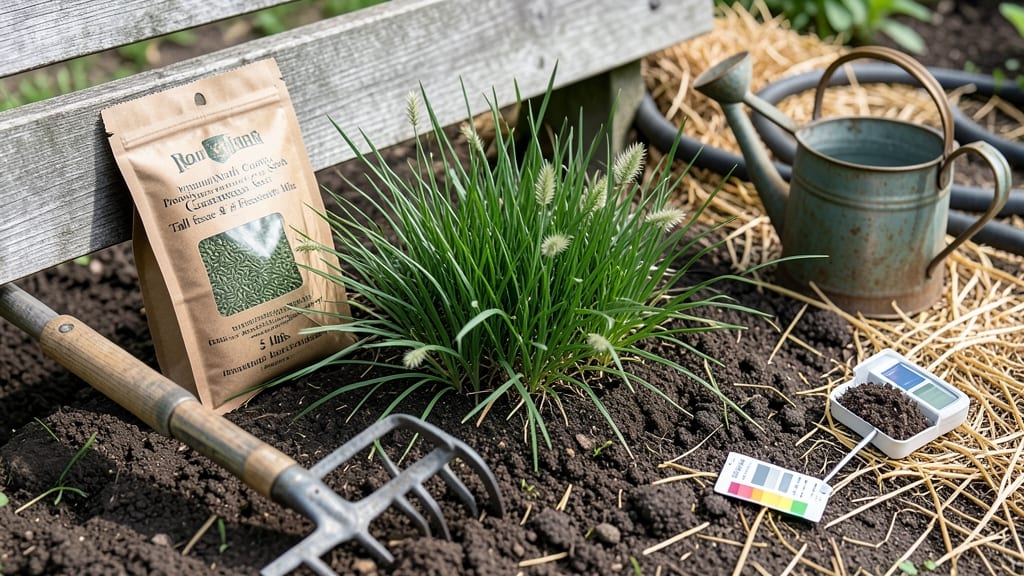
Planting grass seed in North Carolina at the right time ensures thick, vibrant 🌱 coverage instead of patchy, slow growth.
Picture this: you’ve spent hours prepping your soil, only to watch your grass struggle in the heat or freeze before it takes hold. That’s why timing matters more than you might think—especially in NC’s shifting seasons.
In this guide, I’ll walk you through the perfect planting windows for your region, soil temperature checks, and even the best grass types for your microclimate—whether you’re in the Piedmont, coastal areas, or the mountains.
Skip the guesswork and learn how to set your lawn up for success, from seed to strong roots.
North Carolina grass seed planting timeline by soil temperature and season
North Carolina's diverse climate—from the humid coastal plains to the cooler mountain regions—means grass seed planting timing varies dramatically. Cool-season grasses like tall fescue thrive in spring and fall, while warm-season varieties like Bermuda grass need late spring to early summer planting.
Even a 5°F soil temperature difference can mean the difference between robust germination and wasted seed.
Most gardeners in NC focus on two key windows: early spring (March-April) and early fall (August-September). These periods offer moderate soil temperatures (50-65°F), reduced competition from weeds, and consistent moisture.
However, mountain regions like Asheville may need to adjust by 2-3 weeks earlier, while coastal areas like Wilmington can plant slightly later due to milder winters.
| Region | Best Planting Window | Optimal Soil Temp | Grass Type | Key Consideration |
|---|---|---|---|---|
| Coastal (e.g., Wilmington) | Late March–April August–early Sept |
55–65°F | Tall Fescue, Bermuda | Humidity increases fungal risk |
| Piedmont (e.g., Raleigh) | Mid-March–April Late Aug–Sept |
50–60°F (spring) 60–70°F (fall) |
Raleigh Fescue, Zoysia | Moderate temps ideal for germination |
| Mountains (e.g., Asheville) | Late April–May July–early Aug |
55–65°F (spring) 65–75°F (summer) |
Fine Fescue, Kentucky Bluegrass | Cooler nights extend growing season |
Spring planting in NC should begin 4-6 weeks before the last frost date, typically mid-March in the mountains to late March in the Piedmont. For cool-season grasses, aim for soil temperatures between 50-65°F—any warmer, and seeds may dry out before sprouting.
Use a soil thermometer to verify; morning readings (6-8 AM) are most accurate due to cooler overnight temps.
Fall is actually the preferred window for cool-season grasses because summer heat stress is avoided, and fall rains provide consistent moisture.
Plant 6-8 weeks before the first frost, which in NC ranges from mid-October in the mountains to early November along the coast. Warm-season grasses like Bermuda should be sown when soil temps hit 65-75°F, usually late May to June.
Regional microclimates play a huge role. Coastal NC experiences milder winters, allowing late fall plantings into October, while mountain areas may need to start seeds indoors in early March to avoid late frosts.
Even within the Piedmont, elevations above 2,000 feet can push planting dates back by 2-3 weeks. Always check local frost forecasts from the NC State Climate Office for precise timing.
One common mistake is planting too early in spring when soils are still cold and wet, leading to fungal diseases like Pythium. Conversely, delaying until June risks summer drought stress and poor establishment. For warm-season grasses, wait until after Memorial Day to ensure consistent soil warmth.
Pro tip: If your soil thermometer reads below 55°F in spring, delay planting by 1-2 weeks or use a lightweight row cover to retain heat.
Watering is just as critical as timing. After planting, keep soil consistently moist (not soggy) for the first 3-4 weeks, which means daily watering in spring/fall and twice-daily in summer.
Use a rain gauge to track 1/2 inch of water per week—most sprinklers deliver too much, causing runoff. Morning watering (6-9 AM) minimizes evaporation and fungal risks. In drought-prone areas like the Sandhills, consider drip irrigation for new seedings.
For shade-tolerant varieties like fine fescue, timing is slightly more flexible—late spring to early summer works well—but still avoid peak summer heat (July-August). If you're overseeding an existing lawn, late August to early September is ideal, as fall rains naturally water new seeds while weed competition is minimal.
Always mow higher (3-4 inches) before overseeding to protect new shoots from scalping.
Remember: Soil temperature > air temperature when determining planting readiness. A 70°F day can still have 55°F soil in early spring. Use these NC-specific guidelines to align your planting with nature's rhythm—and watch your lawn transform from bare soil to thick, green carpet in just 6-8 weeks. 🌱
How to check soil temperature and prepare your lawn for planting
Getting your soil temperature just right is the secret to successful grass seed germination in North Carolina. If the soil is too cold, seeds won’t sprout; if it’s too hot, they’ll dry out before taking root.
For cool-season grasses like fescue, aim for 50-65°F soil temps, while warm-season grasses like Bermuda thrive at 65-75°F. Without testing, you might plant too early or late, wasting seed and effort.
Before you even buy seed, grab a soil thermometer (they’re cheap and reusable). Check temperatures at 8 AM in the shade—this mimics the conditions when seeds will be planted.
If your soil is below 55°F, wait a few more weeks; if it’s above 75°F, delay planting until temperatures drop. North Carolina’s spring frost dates vary by region, so always double-check local forecasts.
✅ Use a soil thermometer inserted 2-4 inches deep (where seeds will be).
✅ Check at 8 AM in shaded areas for accurate readings.
✅ Ideal range: 50-65°F (cool-season) or 65-75°F (warm-season).
✅ Spring planting: Wait until after last frost (usually mid-April in Piedmont).
✅ Fall planting: Aim for 4-6 weeks before first frost (typically August-September).
✅ Check forecasts for sudden temperature drops or heatwaves.
✅ Test pH (ideal: 6.0-7.0 for most grasses). Use a soil test kit or send a sample to your local Cooperative Extension.
✅ Aerate compacted soil with a core aerator to improve seed-to-soil contact.
✅ Remove weeds by hand or with a pre-emergent herbicide (apply 2 weeks before planting).
✅ Coastal NC: Plant earlier in spring (warmer soils) or later in fall (milder winters).
✅ Mountain NC: Wait until late April for spring or early September for fall.
✅ Piedmont NC: Follow mid-April (spring) or August (fall) as general guides.
Once you’ve confirmed the right soil temperature and adjusted your planting date, it’s time to prep your lawn. Start by raking the soil to create a fine, level seedbed—this ensures seeds make good contact with the earth.
If your lawn has thatch buildup (more than ½ inch thick), dethatch first to prevent seed smothering. For bare spots, lightly scratch the soil with a rake to create grooves where seeds can nestle.
Don’t forget to test your soil’s pH—most North Carolina grasses prefer a slightly acidic to neutral range (6.0-7.0). If your soil is off, amend it with lime (to raise pH) or sulfur (to lower pH) 4-6 weeks before planting.
Overworking the soil can compact it further, so only till or aerate what’s necessary. After prepping, lightly water the area to settle the soil—this helps seeds stay in place when you scatter them.
With your soil temperature perfect, planting date locked in, and lawn prepped, you’re ready for the next step: choosing the right grass seed variety for your North Carolina climate.
But first, give your seeds the best possible start by keeping the soil consistently moist (not soggy) for the first 2 weeks—this is when roots establish and germination happens. A light layer of straw mulch can help retain moisture and protect seeds from birds.