
Planting
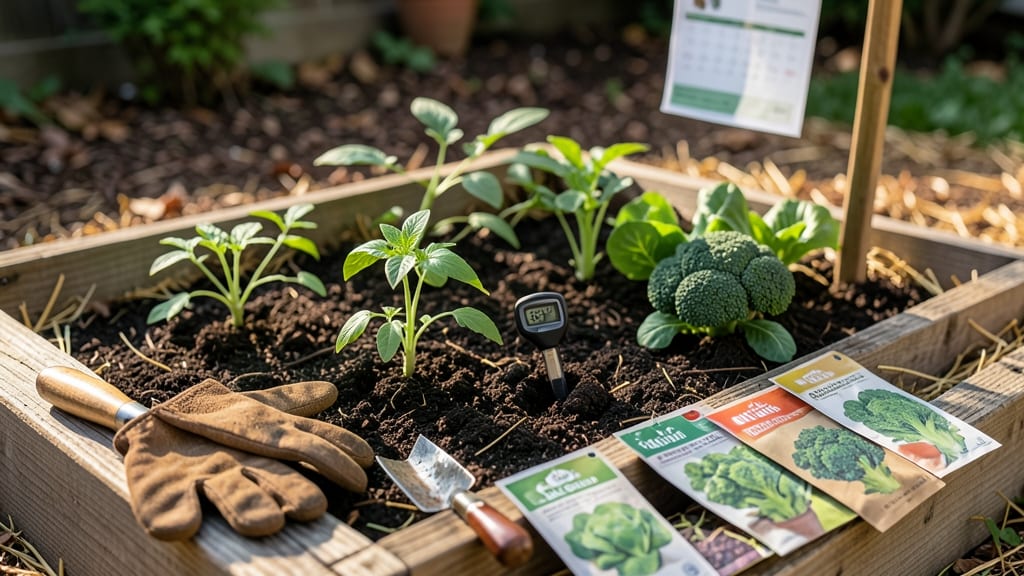
Planting your Maryland garden at the right time means the difference between a bumper crop and a wasted season—and with frost dates ranging from mid-April to November, timing is everything.
Maryland’s unpredictable climate—from icy winters to sweltering summers—can make planning your garden feel like a guessing game. But whether you’re sowing cool-season greens or heat-loving tomatoes, missing the window by even a few weeks can leave you with stunted plants or no harvest at all.
Most of Maryland falls in USDA Zones 6b-7a, where the last spring frost typically hits between March 20 and April 15.
That means your cool-season crops (like spinach, peas, and lettuce) should go in by early April, while warm-season favorites (tomatoes, peppers, and beans) need to wait until two weeks after the last frost.
In this guide, I’ll break down the exact planting windows for your region, how to extend your growing season, and which crops thrive in Maryland’s summer heat—so you can finally stop guessing and start growing with confidence.
Maryland’s frost dates and last spring/first fall planting windows by region
Maryland’s USDA zones 6b-7b create a delicate balance between early springs and late frosts, making timing your garden critical. The average last frost dates shift from mid-April in Baltimore to early May on the Eastern Shore, while Frederick County typically sees frost linger until April 20th.
These variations mean your cool-season crops like lettuce and peas need to hit the ground running, while warm-season plants like tomatoes and peppers must wait for soil to warm.
Understanding these regional differences helps you avoid frost damage to tender seedlings and ensures your herbs and greens thrive before summer heat sets in. For example, spinach and kale planted too late may bolt, while cucumbers and squash sown too early will wilt in cold soil.
Let’s break down the planting deadlines for Maryland’s three key regions to maximize your harvest.
Here’s your region-specific planting timeline, including last frost dates, ideal planting windows, and heat-sensitive crops that demand precision:
For Baltimore’s USDA 7a zone, the spring planting window opens wide after April 15th, giving you just 3 weeks to sow cool-season crops like broccoli and peas before summer heat arrives. Warm-season plants like tomatoes and peppers should wait until May 10th to avoid soil-borne diseases that thrive in cold, wet conditions.
In Frederick’s cooler USDA 6b, you’ve got a slightly longer window for spring planting, but late frosts can still sneak in, so use row covers for extra protection.
The Eastern Shore’s milder climate (USDA 7b) shifts your fall planting window later—up to October 1st—allowing for a second harvest of leafy greens and root vegetables.
This region’s longer growing season also lets you experiment with Southern peas and peanuts, which thrive in the humid summers but need well-draining soil to avoid rot. If you’re growing heat-sensitive herbs like basil, start seeds indoors in late March and transplant after the last frost.
Pro tip: Use frost-sensitive plants like cucumbers and melons as a heat indicator. If they’re thriving by June 1st, your soil has warmed enough for tomatoes and peppers to flourish.
For fall crops, aim to plant 6-8 weeks before your first frost—typically late August for most of Maryland—to ensure a harvest before winter sets in.
Remember, microclimates matter. A south-facing slope may warm up 2-3 weeks earlier than a shady valley, so adjust your planting schedule accordingly.
And if you’re new to Maryland gardening, start small with fast-growing crops like radishes or lettuce to test your timing before committing to longer-season plants like brussels sprouts or cabbage.
By mastering these
Heat-tolerant vegetables that thrive in Maryland’s summer (and when to Plant them)
Maryland’s summer heat—often hitting 90°F+—can wilt many gardeners’ dreams, but some heat-loving vegetables actually thrive in these conditions. The key is planting them at the right time: 2-3 weeks after your last frost date (typically mid-April to early May in most of Maryland).
These crops not only survive the heat but produce bountiful harvests when given proper care.
For maximum yields, focus on tomatoes, peppers, okra, and sweet potatoes—all of which handle Maryland’s humid, sweltering summers with ease. Pair them with companion plants like basil or marigolds to deter pests and boost growth.
The secret? Well-draining soil, mulch, and deep watering to keep roots cool. Let’s break down the best heat-tolerant crops and their ideal planting windows.
-
1 Tomatoes (Plant late April to mid-May)
Choose heat-resistant varieties like 'Solar Fire' or 'Celebrity'. Plant after soil reaches 60°F+ and stake or cage for support. Mulch heavily to retain moisture.
-
2 Peppers (Bell, Jalapeño, Cayenne) (Plant mid-May to early June)
Start seeds indoors 6-8 weeks before last frost or buy transplants. Peppers need full sun and consistent water. Avoid wetting leaves to prevent disease.
-
3 Okra (Plant late May to June)
Okra is a drought-tolerant powerhouse that loves heat. Plant seeds ½ inch deep in well-draining soil and space 18-24 inches apart. Harvest pods when 3-4 inches long for best flavor.
-
4 Sweet Potatoes (Plant late May to early June)
Use slips (young plants) or whole potatoes cut into sections. Plant in sandy, well-draining soil and hill soil around vines as they grow. Harvest 100-120 days later when vines yellow.
To extend your harvest, try succession planting—sow okra or bush beans every 2-3 weeks after the initial planting.
This ensures a continuous supply of fresh produce all summer long. Companion planting is another game-changer: pair tomatoes with basil to improve flavor and deter pests, or plant marigolds near peppers to repel nematodes.
Don’t forget to water deeply in the morning to avoid fungal issues from evening moisture. A 2-3 inch layer of mulch (straw or shredded leaves) keeps roots cool and retains moisture.
With these strategies, your Maryland summer garden will be a heat-resistant powerhouse—yielding juicy tomatoes, spicy peppers, crisp okra, and sweet potatoes until the first frost.
Pro tip: If summer heat becomes too intense (above 95°F), provide light shade cloth for delicate plants like tomato seedlings until they establish roots. Your garden will thank you with vibrant growth and abundant harvests all season long! 🌱☀️