
Planting
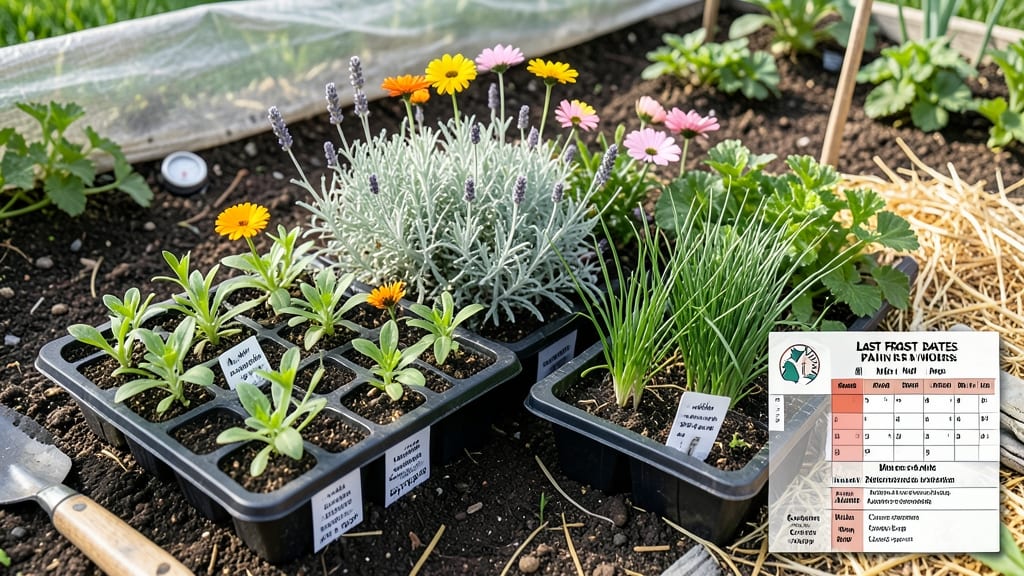
Planting a garden in Colorado means timing everything just right—after the last frost but before the summer heat hits, with frost dates that shift wildly from Denver to Grand Junction.
Colorado’s unpredictable frost dates and high-altitude climate can leave even experienced gardeners guessing when to plant. Get your timing right—or risk losing your hard work to late frosts or scorching summer heat.
This guide breaks down the exact frost dates by region, plus the best heat-resistant veggies for Colorado’s short season. Whether you’re on the Front Range or Western Slope, you’ll find the perfect planting windows for your zone.
From cool-season crops like peas and spinach to sun-loving tomatoes and peppers, we’ll show you how to stretch your harvest with succession planting and row covers—so you can enjoy fresh produce from spring to fall.
Colorado frost dates by region: when to plant cool-season crops safely
Colorado’s cool-season crops like peas, spinach, and broccoli thrive when planted at the right time—just after the last frost but before summer heat sets in. The challenge? Colorado’s three distinct regions (Front Range, Western Slope, and Eastern Plains) have wildly different frost dates.
Get this wrong, and you’ll either lose your plants to frost or watch them bolt in the heat.
To avoid these pitfalls, I’ve broken down the average last and first frost dates for each region, plus the best cool-season planting windows for your favorite frost-tolerant veggies. Use this as your guide to schedule your spring and fall plantings like a pro.
Pro Tip: Always check the Colorado State University Extension’s frost date maps for your exact location—microclimates can shift frost dates by 1-2 weeks even within the same city.
| Region | Last Frost (Avg.) | First Frost (Avg.) | Spring Planting Window | Fall Planting Window |
|---|---|---|---|---|
| Front Range (Denver, Boulder, Fort Collins) | April 20–May 10 | October 10–20 | May 15–June 15 | August 1–September 15 |
| Western Slope (Grand Junction, Aspen) | April 10–May 1 | October 1–15 | May 1–June 10 | July 15–August 30 |
| Eastern Plains (Pueblo, Colorado Springs) | April 25–May 5 | October 5–15 | May 20–June 20 | August 10–September 10 |
For the Front Range, where Denver sits in USDA Zone 5b-6a, aim to plant cool-season crops like peas and spinach by May 15. This gives them time to mature before summer heat hits.
In the Western Slope, like Grand Junction (Zone 7a-8a), you can push your spring planting earlier—May 1—thanks to warmer temperatures.
The Eastern Plains, including Colorado Springs (Zone 6a-7a), have a slightly later last frost, so wait until May 20 to plant. If you’re growing broccoli or cabbage, these dates are critical—they need 60-80 days to mature, and summer heat will cause them to bolt.
Don’t forget about fall planting! Cool-season crops like kale and radishes can handle light frosts, so plant them 6-8 weeks before your first frost. For example, in Denver, that means August 1 for a mid-October harvest before winter sets in.
Actionable Tip: Use row covers to extend your planting window by 2-3 weeks in spring or fall. They protect tender plants from late frosts while still allowing sunlight and airflow.
If you’re unsure about your exact frost dates, sign up for local weather alerts or use the CSU Extension’s PlantTalk Colorado app for real-time updates. Timing is everything in Colorado gardening—get it right, and you’ll enjoy a bounty of fresh, homegrown veggies all season long.
🌱
Best heat-resistant vegetables for Colorado’s short growing season
Colorado’s hot, dry summers can be tough on gardens, but the right heat-resistant vegetables will thrive even when temperatures soar. With 120-180 frost-free days in most regions, choosing varieties that tolerate heat is key to maximizing your harvest.
These top picks handle Colorado’s high-altitude sun and dry air while delivering flavorful yields.
For tomatoes, opt for heat-tolerant varieties like ‘Heatmaster’ or ‘Solar Fire’, which produce even when temps hit 90°F+. These varieties resist cracking and sunscald, common issues in Colorado’s intense summer sun.
Pair them with black plastic mulch to retain soil moisture and boost temperatures slightly for faster ripening.
Peppers—both bell and hot varieties—love Colorado’s heat once established. Try ‘NuMex Heritage’ or ‘Jalapeño M’, which handle 85-100°F temperatures better than standard types. Plant them in well-draining soil with 1-2 inches of mulch to prevent moisture loss and root stress.
| Vegetable | Best Varieties | Planting Window | Heat Tolerance |
|---|---|---|---|
| Tomatoes | Heatmaster, Solar Fire, Cherokee Purple | After last frost (May-June) | 90°F+ |
| Peppers | NuMex Heritage, Jalapeño M, Carolina Wonder | After last frost (May-June) | 85-100°F |
| Beans | Provider, Kentucky Wonder, Romano | Soil 60°F+ (May-July) | 95°F+ |
| Okra | Clemson Spineless, Emerald, Burpee Stringless | After last frost (June) | 100°F+ |
| Sweet Potatoes | Beauregard, Georgia Jet, Bush Early Red | Soil 70°F+ (June-July) | 95°F+ |
| Eggplant | Black Beauty, Ichiban, Rosa Bianca | After last frost (May-June) | 85°F+ |
| Cucumbers | Straight Eight, Marketmore, Lemon | Soil 65°F+ (May-July) | 90°F+ |
| Zucchini | Black Beauty, Gold Rush, Eight Ball | After last frost (May-June) | 85°F+ |
| Southern Peas | Purple Hull, Crowder, Black-Eyed Pea | Soil 65°F+ (June) | 95°F+ |
| Melons | Charentais, Honeydew, Cantaloupe | Soil 75°F+ (June-July) | 90°F+ |
Don’t overlook okra and sweet potatoes, two powerhouses for Colorado’s heat. Okra thrives in 100°F+ temperatures and even improves flavor when stressed by dry conditions. Plant slips in June for a late-summer harvest, and space them 18-