
Planting
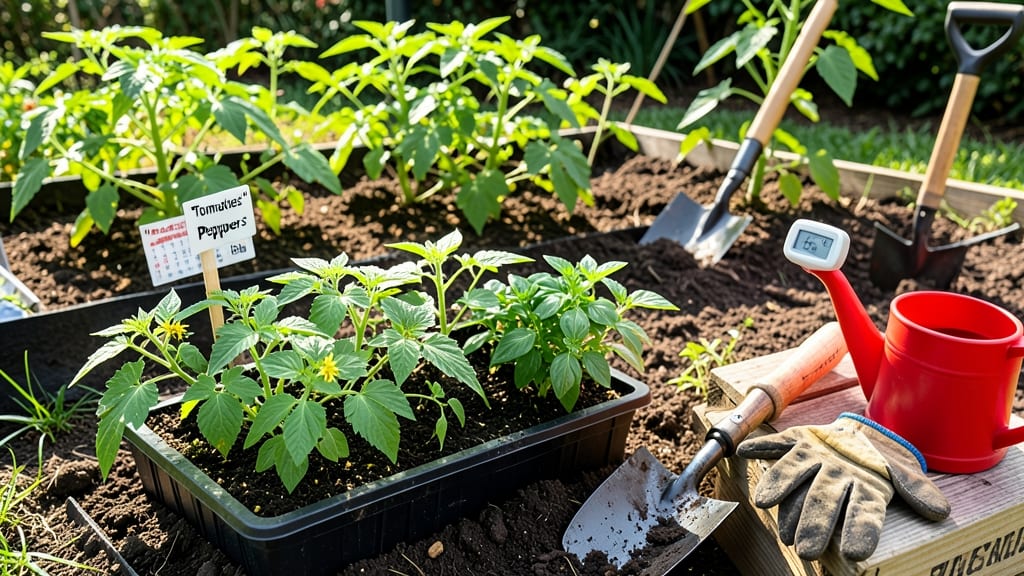
Planting a garden in Virginia at the right time ensures your 🌱 thrives all season long, whether you're growing tomatoes, peppers, or flowers.
Virginia gardeners know timing is everything—plant too early and risk frost damage, too late and miss peak harvests. Mastering the perfect planting schedule based on soil temperatures can mean the difference between a thriving garden and a struggling one.
With three distinct climate zones—Coastal Plain, Piedmont, and Mountains—your local frost dates and soil warmth vary wildly. I’ll break down the exact windows for cool-season crops like lettuce and warm-season favorites like squash, plus how to adjust when Mother Nature throws a curveball.
By the end, you’ll know not just when to plant, but how to time it perfectly for your corner of Virginia—no guesswork, just a garden that delivers.
Virginia planting zones: when to start seeds vs transplanting based on soil temperature
Virginia’s diverse planting zones (5a-8a) create unique challenges for gardeners. Whether you're in the Piedmont region or the Coastal Plain, understanding soil temperature triggers determines success for both warm-season crops like tomatoes and cool-season crops like lettuce.
These triggers help you decide when to start seeds indoors versus transplanting outdoors.
Last frost dates vary dramatically across Virginia—from March 15 in zone 7b to April 15 in zone 6a. But frost isn’t the only factor: soil temperature is equally critical.
For example, peppers need soil at 65°F+ to thrive, while spinach grows best in 45-65°F soil. Let’s break down the timing for each zone and crop type.
Key takeaway: Start warm-season seeds indoors 6-8 weeks before your last frost date, then transplant when soil reaches 60°F+. Cool-season crops can often be direct-sown as soon as soil is workable (40°F+).
| Zone & Region | Last Frost Date | Warm-Season Start Indoors | Transplant Outdoors (Soil Temp) | Cool-Season Direct Sow |
|---|---|---|---|---|
| 5a (Mountains: Roanoke) | May 1 | March 15 (6-8 wks before last frost) | After May 15 (60°F+) | March 1 (40°F+) |
| 6a (Piedmont: Lynchburg) | April 15 | February 28 (6-8 wks before last frost) | After April 30 (60°F+) | February 15 (40°F+) |
| 7a (Coastal Plain: Norfolk) | March 15 | January 20 (6-8 wks before last frost) | After March 31 (60°F+) | January 1 (40°F+) |
| 7b (Northern Neck) | March 1 | January 5 (6-8 wks before last frost) | After March 15 (60°F+) | December 15 (40°F+) |
| 8a (Tidewater) | February 15 | December 1 (6-8 wks before last frost) | After February 28 (60°F+) | November 15 (40°F+) |
For warm-season crops like tomatoes and peppers, begin seeds indoors when you can still fit 6-8 weeks of growth before your last frost.
In zone 5a, this means starting in mid-March, while in zone 8a, you can start as early as early December for an early spring transplant.
Transplant outdoors only when soil temperature consistently stays above 60°F for warm-season crops. Use a soil thermometer to check—dig 2 inches deep in full sun.
If your soil is cooler, wait or use black plastic mulch to warm it faster. Cool-season crops like broccoli and kale can handle cooler soils (40-50°F) and often do best when direct-sown as soon as soil is workable.
Pro tip: In zone 7a and warmer, you can extend your growing season by planting a second crop of warm-season vegetables in mid-summer (July-August). Choose fast-maturing varieties like bush beans or zucchini to harvest before frost. These late plantings benefit from warmer soil temperatures in late summer.
Don’t forget about fall planting! In zone 6a and warmer, you can direct-sow cool-season crops like spinach and radishes as early as mid-August. These crops thrive in cooler fall soil and may even survive light frosts, giving you a second harvest
Soil temperature guide: exact degrees for Virginia’s most popular vegetables and flowers
Getting your soil temperature right is the secret weapon for Virginia gardeners. Unlike air temperature, soil warmth determines when seeds germinate and plants thrive. In our state’s varied climate—from the Coastal Plain to the Blue Ridge Mountains—soil can stay 10°F cooler than the air, throwing off planting schedules.
Let’s dive into the exact degrees your favorite crops need to succeed.
Most Virginia gardeners focus on last frost dates, but soil temperature is the real game-changer. For example, peas can handle 40°F soil while tomatoes won’t germinate until it reaches 70°F.
Below, I’ve organized the ideal planting temperatures for 15+ common crops, plus regional adjustments for Piedmont, Coastal, and Mountain areas. Pro tip: Use a soil thermometer (just $10) to check temps 2-3 inches deep in the morning.
Why soil temperature matters: Seeds need warmth to activate enzymes that break down stored food for germination. Too cold? They rot. Too hot? They dry out. Virginia’s USDA zones 5b-8a mean your Mountain region soils warm up 2-3 weeks later than the Coastal Plain. Plan accordingly!
| Crop | Ideal Soil Temp (°F) | Piedmont Adjustment | Coastal Adjustment | Mountain Adjustment |
|---|---|---|---|---|
| Peas | 40-50°F | Plant 1 week earlier | Plant 1 week later | Wait 2 weeks longer |
| Lettuce | 45-55°F | Direct sow March | Direct sow Feb | Wait until April |
| Broccoli | 50-60°F | Transplant Feb | Transplant Jan | Transplant March |
| Tomatoes | 70-80°F | Wait until May | Plant April | June planting |
| Peppers | 75-85°F | Start indoors March | Start indoors Feb | Start indoors April |
| Cucumbers | 60-70°F | Plant after May 15 | Plant April 20 | Plant June 1 |
| Squash | 70-80°F | Wait until soil is 75°F | Plant when soil is 70°F | Wait until July |
| Zinnias | 60-70°F | Direct sow April | Direct sow March | Direct sow May |
| Marigolds | 65-75°F | Plant after frost | Plant early April | Plant late May |
| Carrots | 55-65°F | Sow March-April | Sow Feb-March | Sow April-May |
| Beans | 60-70°F | Plant May 1 | Plant April 15 | Plant June 15 |
| Onions | 45-55°F | Plant Feb-March | Plant Jan-Feb | Plant March-April |