
Planting
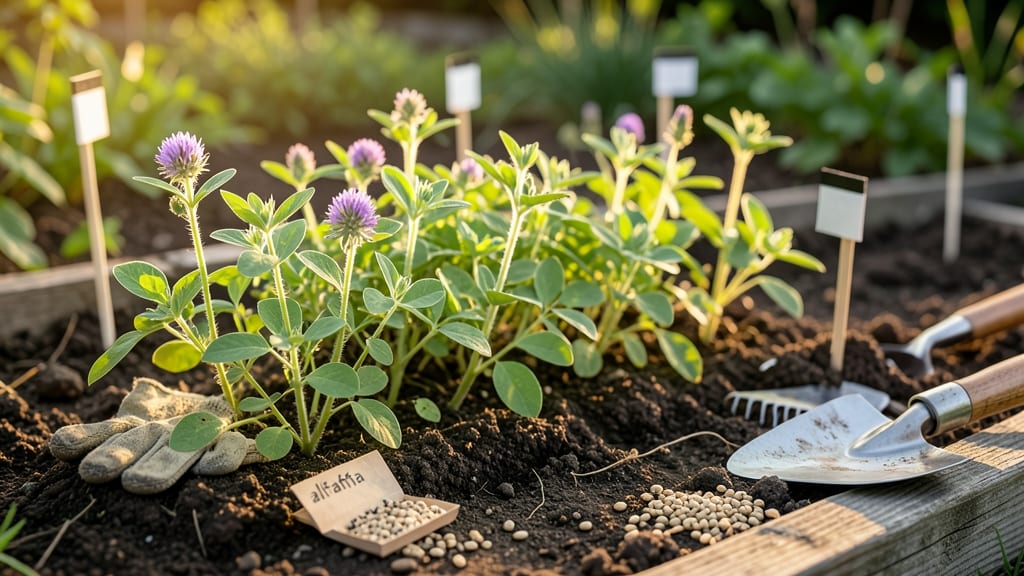
Planting alfalfa in the fall ensures strong root growth before winter, but the exact timing depends on your climate and frost dates.
If you’ve ever watched your alfalfa seeds sit dormant through a cold snap, only to emerge weak in spring, you know how critical the window is. The key? Planting 4-6 weeks before your first frost—when soil temps drop below 80°F but haven’t yet locked up for winter.
For most of the U.S., that means late August to early September in cooler zones (like 6a) and October in milder areas. But warmer climates? You’ll need to adjust to avoid heat stress or early dormancy.
Below, I’ll break down the perfect planting dates by zone, soil prep secrets, and how to protect your crop through winter—so you can harvest lush, established plants next spring.
Optimal fall planting dates for alfalfa by USDA hardiness zones
Fall planting of alfalfa gives your crop a head start on root development before winter dormancy—but the timing varies dramatically by USDA zone. Plant too early, and seedlings may germinate only to be killed by frost.
Too late, and roots won’t establish before cold sets in. The ideal window is when soil temperatures drop to 50-60°F, typically 4-6 weeks before your first frost date.
In cooler zones (3-5), aim for late August to early September to ensure germination before hard freezes. Warmer zones (7-10) can extend planting into early October, but monitor soil temps closely—alfalfa seeds won’t sprout below 45°F.
Adjust for early frosts by planting earlier, or use row covers to protect young seedlings.
Here’s your zone-specific planting timeline to maximize survival and spring regrowth:
For Zones 3-5, prioritize soil preparation in late summer. Work in compost to improve drainage, as alfalfa hates soggy roots. In warmer zones (7-10), focus on shade cloth if daytime temps exceed 85°F—alfalfa seeds struggle to germinate in heat.
Test your soil’s pH (6.5-7.0) before planting, as acidic soils stunt root growth.
Pro tip: Use a soil thermometer to confirm temps. Alfalfa seeds need consistent moisture but won’t tolerate waterlogged soil. Aim for 1 inch of water per week until germination (7-14 days). In dry climates, consider drip irrigation to maintain even moisture without overwatering.
If your first frost arrives unexpectedly early, switch to spring planting instead. Alfalfa’s root system needs 60-90 days of warm soil to establish before winter. Planting too close to frost risks seedling death before roots develop.
For Zone 6 gardeners, this means mid-August is your last chance for fall success.
Remember: Fall-planted alfalfa won’t produce forage until the following spring, but the root biomass you build now determines next year’s yield. Think of it as investing in next season’s harvest—get the timing right, and you’ll reap rewards in late spring when other crops are still struggling.
For organic growers, add a cover crop like clover before planting to enrich soil with nitrogen. This mimics alfalfa’s natural nitrogen-fixing abilities and gives your seeds a nutrient boost. Just avoid planting alfalfa where it’s grown before—it’s prone to root rot in reused beds.
🌱
Signs your fall alfalfa planting timing is perfect (or too late)
Planting alfalfa in fall gives your crop a head start, but getting the timing right is everything. The ideal window is 4-6 weeks before your first frost, when soil temps hover between 50-60°F.
This balance ensures seeds germinate before winter dormancy sets in. Watch for these key indicators to know you’ve nailed it—or need to adjust.
First, check your soil moisture. Perfectly timed fall planting means the ground stays evenly moist but not soggy. Stick your finger 2-3 inches deep—if it feels damp like a wrung-out sponge, you’re in the sweet spot.
Too dry? Your seeds will struggle to sprout before cold sets in. Too wet? Risk rot and fungal diseases that weaken seedlings before winter.
⚠️ CALLOUT WARNING ⚠️
❄️ Winter Kill Warning: Don’t Plant Too Late!
Planting alfalfa after soil temps drop below 45°F risks seedling death before roots establish. In USDA Zones 3-5, aim for mid-September at the latest. Zones 6-10 can stretch to early October, but monitor frost forecasts—seeds need 4-6 weeks to germinate before dormancy.
Pro Tip: Use a soil thermometer to confirm temps. If they’re below 50°F at planting, delay until conditions warm slightly.
Next, observe seedling emergence speed. Healthy alfalfa seeds should sprout within 7-14 days of planting. If you see green shoots within 10 days, your timing is spot-on.
But if weeks pass with no sign of life, you’ve likely planted too late—cold soil slows germination, and seedlings may not survive winter. In warmer climates (Zones 8-10), slow sprouting could also signal overly dry soil.
Don’t overlook soil prep—it’s your secret weapon against winter kill. Before planting, test your soil pH (aim for 6.5-7.0) and amend with compost or aged manure to boost organic matter. Poor drainage?
Alfalfa roots hate soggy soil—raise beds or mix in sand or perlite to improve airflow. A quick percolation test (pour water on soil; it should drain in 4-6 hours) confirms you’re ready.
Finally, watch for early frost warnings in your area. If a hard freeze (28°F or below) is forecast within 2 weeks of planting, delay until conditions stabilize. Young alfalfa seedlings can’t handle freezing temps, even if they’ve sprouted.
Use a frost blanket or row cover for extra protection if you’re cutting it close—but remember, these are short-term fixes, not substitutes for proper timing.
When in doubt, plant early. Alfalfa’s deep roots thrive with a long fall growing season, so err on the side of too soon rather than too late.
With the right timing, your fall-planted alfalfa will reward you with lush spring regrowth and high yields—no weak, stunted plants in sight! 🌱