
Planting
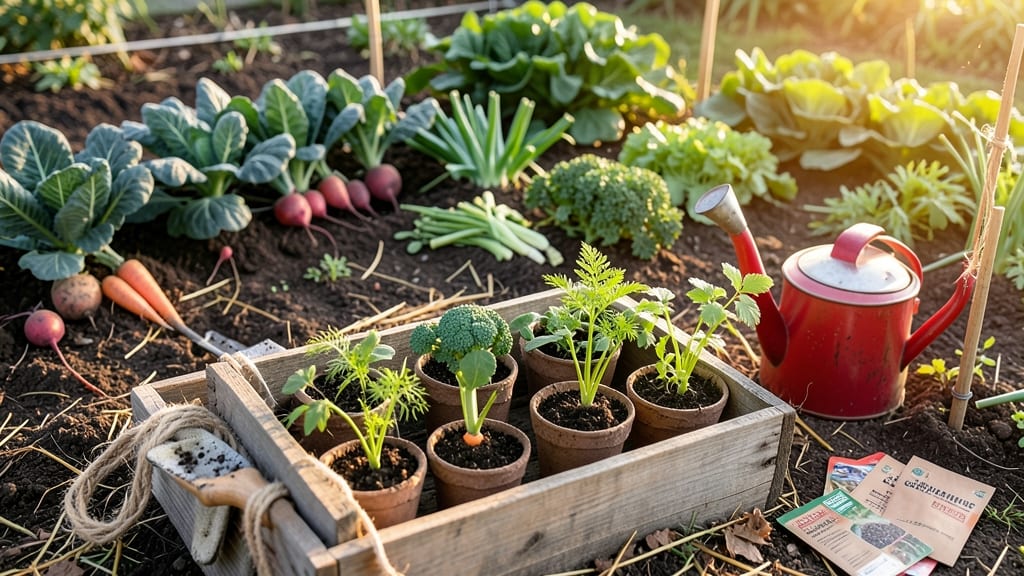
Planting a fall garden in Central Texas means timing your crops for cool-season success—and missing the window can leave you with stunted greens or wasted seeds.
Central Texas gardeners know the fall season offers the perfect opportunity to grow thriving vegetables—if you plant at the right time. Get the exact dates for your fall garden to avoid common mistakes that waste time and money.
With USDA Zone 8a-8b frost dates running from mid-December to January, your window to plant 🥬 broccoli, kale, and carrots is tight. Start too early, and the heat zaps your seedlings; wait too long, and the cold stunts growth.
Below, I break down the ideal planting schedule by crop, how to adjust for microclimates like Austin’s urban heat, and the 5 mistakes that ruin fall harvests—so you can plan with confidence.
Central Texas fall planting calendar: exact dates by crop type
Fall gardening in Central Texas rewards patience with crisp, flavorful harvests—but timing is everything. The first frost typically arrives around December 1 in Austin, San Antonio, and Waco, giving us a 10-12 week window to grow cool-season crops.
Start planning now to avoid common mistakes like planting too early or choosing heat-sensitive varieties that bolt before harvest.
Your optimal planting window spans from mid-August to mid-October, with peak success occurring between September 15 and October 15. This schedule accounts for soil temperatures cooling to ideal ranges (60-70°F) and avoids the late-summer heat that stresses young seedlings.
Let’s break down the exact dates for your favorite cool-season crops.
🌱 Key Dates for All Central Texas Regions:
- First frost date: December 1 (varies ±5 days by microclimate)
- Last planting date: October 15 (for fast growers like radishes)
- Ideal transplant window: September 1–October 1
- Soil prep time: August 15–September 1 (amend soil 2–3 weeks before planting)
For Austin gardeners, aim to plant leafy greens by September 15 to ensure harvests before the first frost. The Hill Country microclimate near Austin may experience frost 1–2 weeks earlier, so err on the side of earlier planting for heat-sensitive crops like broccoli.
Use row covers to extend harvests by 2–3 weeks in exposed areas.
In San Antonio, where temperatures stay slightly warmer longer, you can push planting dates to October 1 for fast-growing crops like radishes and turnips. The Edinburg area (Zone 8b) may even support late October plantings with protection. Monitor soil temperatures—they should stay above 55°F for seed germination.
Waco’s higher elevation means cooler nights, which benefits cool-season crops but shortens the growing window. Prioritize quick-maturing varieties (e.g., ‘Black Seeded Simpson’ lettuce) and plant by September 10 for reliable harvests. Mulch heavily with straw to insulate roots from temperature swings.
Pro tip: Direct-sow heat-tolerant crops like Swiss chard and collard greens in late August for early fall harvests. These varieties handle 90°F soil temps better than lettuce or spinach. Pair them with radishes (25-day harvest) to mark rows and save space.
Don’t forget herbs! Cilantro and dill thrive in fall’s cooler weather but bolt quickly as temperatures drop. Plant them in partial shade and harvest leaves <
How to adjust planting times for Central Texas microclimates
Central Texas isn't just one climate—it's a patchwork of microclimates that can shift your planting windows by weeks. From the urban heat islands of Austin to the cooler highlands near Fredericksburg, understanding these variations helps you avoid failed crops or wasted seeds.
I've learned the hard way that planting broccoli in late August in downtown San Antonio can mean bolting plants before frost, while the same crop thrives in the Hill Country if seeded just a few weeks later.
Elevation plays a huge role—areas like Lake Travis (1,000+ feet) often experience earlier frosts than downtown Austin, while low-lying areas near the Gulf Coast can stay warmer for weeks longer.
Even within your own yard, soil temperature variations of 10°F or more can occur just feet apart, especially after a hot summer. These factors mean your neighbor's perfect harvest schedule might not work for your specific spot.
🚨
⚠️ Warning: Urban Heat Islands Delay Frost
Downtown Austin can experience 5-7°F warmer nights than suburban areas, pushing back first frost dates by 10-14 days. If you follow general Central Texas frost charts, you might plant spinach too early in urban zones, causing it to bolt before harvest. Use local weather station data (like CoCoRaHS) rather than zip code averages for accurate timing.
To work with these variations, I recommend starting with your last average frost date (typically December 1 for most of Central Texas) and then adjusting based on three key factors: elevation, urban heat, and soil heat retention.
For example, if you're at 1,200 feet elevation, subtract 7-10 days from your planting window compared to sea level. Meanwhile, urban gardeners should add 7-14 days to their frost-free estimates.
One of my favorite tools for adjusting timing is row covers. A simple floating row cover can extend your harvest window by 3-4 weeks in fall by trapping heat during the day and protecting against light frosts.
I've used them to grow lettuce through November 15 in Waco when uncovered plants would have frozen by October 20. Pair this with black plastic mulch, which warms soil by 5-10°F, and you can push planting dates even earlier.
Don't overlook microclimates within your property. The north side of your house might get frost 1-2 weeks earlier than your south-facing garden beds. I test soil temperatures with a soil thermometer ($10 at garden centers) before planting cool-season crops.
Aim for 60-65°F for most leafy greens and 70-75°F for root vegetables like carrots and beets. If your soil runs cooler, wait 1-2 weeks longer than the general planting chart suggests.
For gardeners in USDA Zone 8a (like much of Central Texas), the sweet spot for fall planting is typically mid-August to early October.
But within that window, broccoli planted in late August in the Hill Country might thrive while the same seeds in downtown Austin need to wait until September 1 to avoid bolting. Use these adjustments to match your specific conditions, and you'll enjoy harvests through December instead of disappointed seedlings.