
Planting
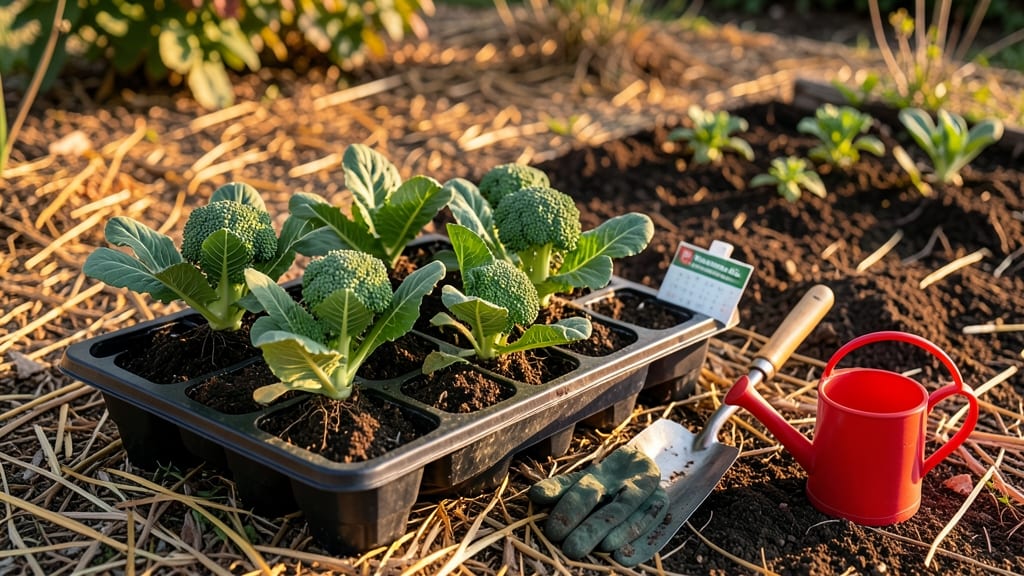
To plant a fall garden in North Texas, aim for mid-August to early October—when soil cools and daylight shortens just enough for 🍂 fall vegetables to thrive.
North Texas gardeners know timing is everything—plant too early, and your fall crops will wilt in the heat; too late, and frost will ruin them. But with precise heat zone data, you can pinpoint the exact windows for planting tomatoes, greens, and more—without guessing.
The key is understanding your USDA Zone (8a or 8b) and adjusting for local microclimates. In Zone 8a, where frosts arrive earlier, you’ll want to start 60-90 days before November 15, while Zone 8b gardeners have a little more flexibility until mid-December.
Below, I break down the best planting dates by crop, soil prep tips for North Texas clay, and how to extend your harvest through the first frost—so you can enjoy homegrown greens and root vegetables long after summer’s heat fades.
North Texas fall planting calendar by heat Zone (8a vs 8b)
North Texas spans two critical USDA heat zones: 8a (average 10°F minimum) and 8b (average 15°F minimum). The difference of just 5°F can shift your planting window by 2-3 weeks.
In Zone 8a (e.g., Wichita Falls), fall crops must go in by mid-August to avoid wilting, while Zone 8b (e.g., Dallas) gardeners have until early September for heat-tolerant varieties.
Your first frost date is the anchor: November 15 for most of North Texas. But soil temperature matters more than air temp. Most fall crops thrive when soil stays above 50°F—so test it with a soil thermometer before planting.
If it’s cooler, wait or use black plastic mulch to warm the ground.
Here’s the non-negotiable rule: Plant 60-90 days before frost for cool-season crops like kale and carrots, but 30-45 days for fast growers like radishes or spinach. Heat-loving tomatoes and peppers need to go in by mid-August to mature before cooler temps set in.
For Zone 8a, I recommend starting with direct-sown seeds in late August for cool-season crops. Use row covers to extend the season by 2-3 weeks if temps dip unexpectedly.
In Zone 8b, you’ve got more flexibility—try transplanting seedlings in early September for a head start on broccoli or cabbage, which need 60+ days to mature.
Watch for soil moisture—fall in North Texas can bring unpredictable rains. Overwatering in September leads to rot-prone soils, while October droughts stress young plants.
Aim for 1-2 inches of water per week, delivered in the morning to reduce fungal risks. A drip irrigation system saves time and ensures consistency.
Don’t overlook succession planting—it’s your secret weapon for a longer harvest. For example, sow spinach every 2 weeks from mid-September to early October to stagger maturity. This way, you’re not left with a one-time
Best fall vegetables for North Texas and their planting triggers
Fall in North Texas is the perfect time to grow cool-season vegetables that thrive in milder temperatures. The key is planting when soil temperatures drop below 85°F and daylight hours shorten—typically mid-August to early October.
These conditions trigger faster germination and robust growth for crops like kale and carrots, which can withstand light frosts. But timing is critical: plant too late, and frost will ruin your harvest before maturity.
North Texas gardeners often struggle with heat zone 8a vs. 8b differences. In Zone 8a (average first frost: November 15), aim to plant 60-90 days before frost—usually by mid-August. In Zone 8b (later frost), you have until early October to sow.
The trick? Watch for soil temperatures below 80°F and daylight under 12 hours—these are your green lights to start planting.
For Zone 8a gardeners, prioritize kale, carrots, and radishes—they’re forgiving if planted slightly late. In Zone 8b, you can push the envelope with broccoli and cabbage until early October.
Always test soil temps with a soil thermometer—aim for 60-75°F for most fall crops. This ensures strong root development and faster germination.
Pro tip: Use mulch to regulate soil temps and retain moisture. A 2-inch layer of straw keeps roots cool and protects against early frosts. Pair this