
Planting
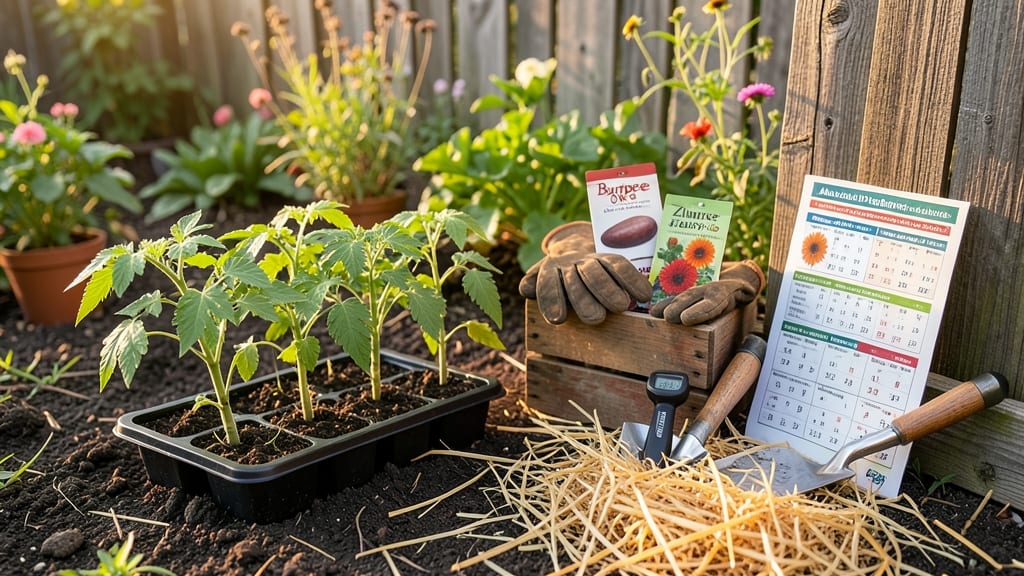
To plant a garden in Alabama, aim for late February through early April or August to September—timing that aligns with your region’s frost-free window and ensures a thriving harvest.
Alabama’s warm climate and long growing season make it a gardener’s paradise—but planting too early or late can ruin your harvest. Timing is everything, and missing the frost-free window means wasted seeds and disappointed hopes.
Whether you’re growing tomatoes, herbs, or native flowers, the right planting window keeps pests at bay, maximizes yield, and lets you enjoy fresh produce from spring through fall. Below, I’ll break down the best months for each crop, regional adjustments, and how to stretch your growing season.
You’ll learn how to read frost dates, adjust for microclimates, and even salvage a late start—so you can finally stop guessing and start growing with confidence.
Alabama frost-date calendar: key planting windows by region
Understanding Alabama’s frost-free dates is the first step to successful gardening. The state’s USDA Zones 7b-8b create two distinct planting windows: North Alabama (cooler, shorter season) and South Alabama (warmer, longer season). These differences mean your last frost date could vary by 3-4 weeks depending on where you live.
For North Alabama (e.g., Huntsville, Decatur), the average last frost falls around March 15-April 1, while South Alabama (e.g., Mobile, Dothan) typically sees its last frost by February 15-March 1.
Similarly, the first frost arrives earlier in the north (November 15-December 1) compared to the south (December 15-January 15).
These frost dates dictate when to plant cool-season crops (like lettuce and broccoli) versus warm-season crops (like tomatoes and peppers). Planting too early risks frost damage, while planting too late means missing the optimal growing window.
Here’s how to use this frost-date calendar for your garden:
- Cool-season crops (e.g., spinach, peas) should go in 8-10 weeks before the last frost.
- Warm-season crops (e.g., cucumbers, beans) need soil temps above 60°F and should wait until after the last frost.
- Fall planting starts 4-6 weeks before the first frost for a second harvest.
Local microclimates—like urban heat islands or highland areas—can shift these dates by 1-2 weeks. Always check historical frost data for your specific county (e.g., Alabama Cooperative Extension provides county-specific guides).
🌱
| Region | Last Frost Date | First Frost Date | Cool-Season Planting Window | Warm-Season Planting Window | Fall Planting Window |
|---|---|---|---|---|---|
| North Alabama (e.g., Huntsville, Decatur) | March 15-April 1 | November 15-December 1 | February 15-March 15 | April 15-May 15 | August 15-September 15 |
| Central Alabama (e.g., Birmingham, Montgomery) | March 1-April 1 | November 1-December 1 | February 1-March 15 | April 1-May 1 | August 1-September 1 |
| South Alabama (e.g., Mobile, Dothan) | February 15-March 1 | December 15-January 15 | January 1-February 15 | March 15-April 15 | July 15-August 15 |
For example, if you’re in Birmingham (Central Alabama), your cool-season crops like kale or carrots should be sown by February 1 to mature before the last frost. Meanwhile, tomatoes and peppers can’t go in until April 1, when soil temperatures rise above 60°F.
In Mobile (South Alabama), you can start warm-season crops as early as March 15, giving you a longer growing season for vegetables like okra or sweet potatoes. Conversely, fall planting in Mobile wraps up by August 15, while gardeners in Huntsville have until September 15.
Pro tip: Use row covers or cold frames to extend your cool-season window in North Alabama by <
Best planting months for Alabama’s top vegetables and flowers
Alabama’s extended growing season lets you grow tomatoes, peppers, and herbs nearly year-round—but timing still matters. Plant too early, and frost will kill tender seedlings.
Wait too long, and heat stress stunts growth. The key? Align your planting with Alabama’s two main seasons: spring (March–May) and fall (August–October).
For cool-season crops like lettuce and broccoli, aim for February–March or August–September to avoid summer’s brutal heat. Warm-season favorites like tomatoes and peppers thrive when soil temps hit 60°F+, typically April–May or July–August for fall harvests.
Native flowers like black-eyed Susans and coreopsis add color while supporting pollinators. Plant them in early spring (March) or late summer (August) for year-round blooms. Succession planting—sowing new seeds every 2–3 weeks—keeps your garden productive.
| Plant Type | Best Months | Sun Needs | Succession Tip |
|---|---|---|---|
| Tomatoes | April–May, July–Aug | Full sun (6+ hrs) | Sow every 2 weeks for continuous harvest |
| Peppers | April–May, July | Full sun (6+ hrs) | Start indoors in March for early harvests |
| Lettuce | Feb–March, Aug–Sept | Partial shade (4–6 hrs) | Harvest outer leaves to prolong growth |
| Herbs (Basil, Cilantro) | March–April, Aug–Sept | Full sun (5–6 hrs) | Plant cilantro in fall to avoid bolting |
| Native Flowers (Black-Eyed Susan) | March, August | Full sun (6+ hrs) | Deadhead spent blooms for longer seasons |
Avoid common timing mistakes like planting tomatoes before soil warms or lettuce in summer’s heat. Use row covers in early spring to protect tender seedlings from late frosts, and mulch heavily in summer to retain moisture.
For herbs, basil bolts quickly in heat—sow new seeds every 3–4 weeks for a steady supply.
Extend your harvest by planting fast-maturing varieties like bush beans (60 days) or radishes (30 days) in late summer for a fall crop. Succession planting works best for leafy greens and herbs, while tomatoes and peppers benefit from staggered starts.
Always check your local frost dates—North Alabama’s last frost can be 2 weeks later than the south.
Pro tip: Mark your calendar for August 1st—this is your last chance to plant fall crops before heat sets in. With the right timing, your Alabama garden can produce year-round harvests with minimal effort. Happy planting! 🌱