
Planting
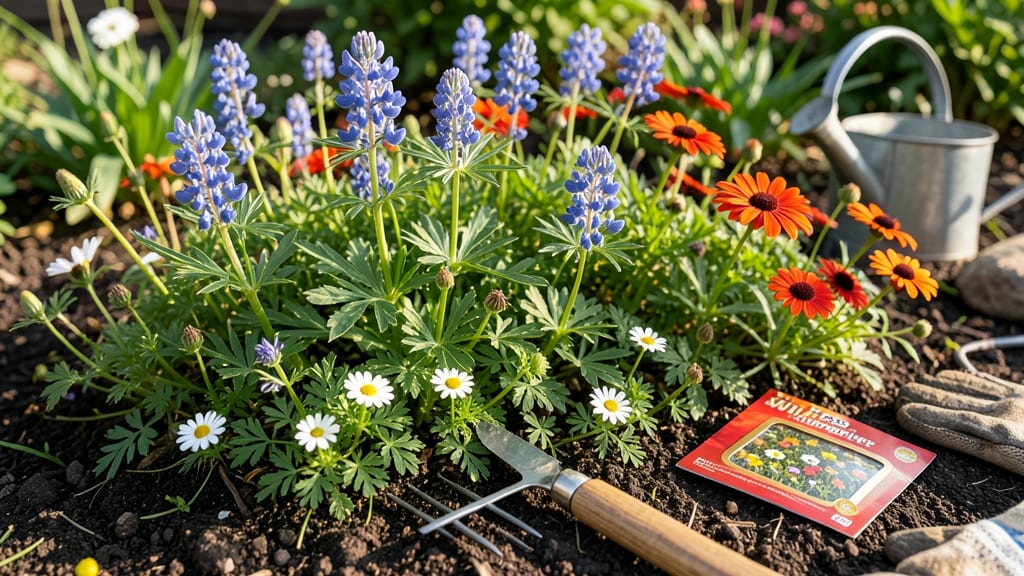
Planting a garden in Central Texas at the right time means the difference between a lush harvest and a sad, wilted mess—especially when summers hit 100°F+ and winters bring unpredictable freezes.
You’ve probably heard that fall is the best time to start, but the exact window matters more than you think. Skip the wrong month, and you’ll either bake your seedlings or freeze your roots before they take hold.
Here’s the breakdown: September through March is your sweet spot for cool-season crops, but heat-lovers like okra and sweet potatoes need a different strategy. I’ll walk you through the exact months, how moon phases can boost your success, and which varieties actually thrive in Texas’ brutal heat.
Ready to grow? Let’s get those General Garden Plants 🌱 in the ground the right way—no guesswork, just results.
Central Texas planting calendar: exact months for vegetables, flowers & herbs
Central Texas gardeners know the drill: 100°F summers and unpredictable freezes demand precise timing. The secret to success? Planting cool-season crops in fall/winter and heat-tolerant varieties in late spring/summer.
Microclimates like Austin’s urban heat islands or Waco’s drier air can shift ideal windows by weeks—so I’ve tailored this calendar to your exact zone.
First, mark your last frost date (typically mid-March) and first frost (usually mid-November). These dates anchor your planting schedule.
For example, broccoli and kale thrive when sown 6-8 weeks before frost, while okra and sweet potatoes need soil temps above 70°F—usually mid-May in most of Central Texas.
Here’s your month-by-month breakdown, including perennials, annuals, and vegetables that perform best in your region:
Adjust for microclimates: If you’re in higher-elevation Austin, push spring plantings 1-2 weeks later due to cooler nights. In drier Waco, prioritize drought-tolerant varieties like rosem
Top 10 heat-tolerant vegetables & herbs for Central Texas summers
Central Texas summers can push temperatures past 100°F, making traditional garden vegetables wilt before harvest. But don’t give up—these heat-tolerant varieties thrive in extreme heat while delivering bountiful yields.
From okra that loves the heat to rosemary that thrives in drought, these plants turn your summer garden into a productive oasis.
Key to their success? Proper spacing, mulching, and even watering—especially during the hottest afternoon hours. I’ve grown these same varieties in San Antonio and Waco, and with the right care, they’ll reward you with harvests even when other plants struggle.
Let’s dive into the top performers and how to keep them thriving.
Okra and sweet potatoes top the list for their ability to handle 100°F+ heat while producing abundant harvests. Okra, in particular, loves the heat—the hotter it gets, the more it grows. Plant seeds directly in the garden after your last frost date (typically mid-March in Central Texas) and space them 12-18 inches apart for optimal airflow. Sweet potatoes, on the other hand, thrive in well-draining soil and benefit from light shade cloth during peak afternoon heat.
For herbs, rosemary and thyme are my go-to choices. Both are drought-tolerant and heat-loving, making them perfect for Central Texas summers. Plant them in full sun with sandy, well-draining soil, and water deeply but infrequently.
Overwatering is their biggest enemy—these herbs prefer to dry out between waterings. A 2-inch layer of mulch will help retain moisture and keep roots cool.
Don’t overlook black-eyed peas, a Southern staple that thrives in heat. These heat-tolerant legumes fix nitrogen in the soil while producing sweet, tender pods. Sow seeds after your last frost date and provide trellis support to keep vines off the ground, improving airflow and reducing disease risk.
Pair them with okra or sweet potatoes for a summer garden powerhouse.
To extend the growing season, use shade cloth (30-50% coverage) during the hottest weeks of July and August. This reduces stress on plants and prevents bolting or flowering too early.
Additionally, mulch heavily with straw or wood chips to keep soil temperatures down and moisture levels up. I’ve seen sweet potatoes and okra produce 30-50% more with these simple adjustments.
Harvesting is where the magic happens. For okra, pick pods when they’re 3-4 inches long for the best texture. Sweet potatoes are ready when their vines yellow and die back—dig carefully to avoid damaging the tubers.
With rosemary and thyme, snip leaves as needed, and the plants will keep producing all summer long. The key? Consistent care and patience—these heat-tolerant plants reward dedication with bountiful harvests even in the hottest months.