
Planting
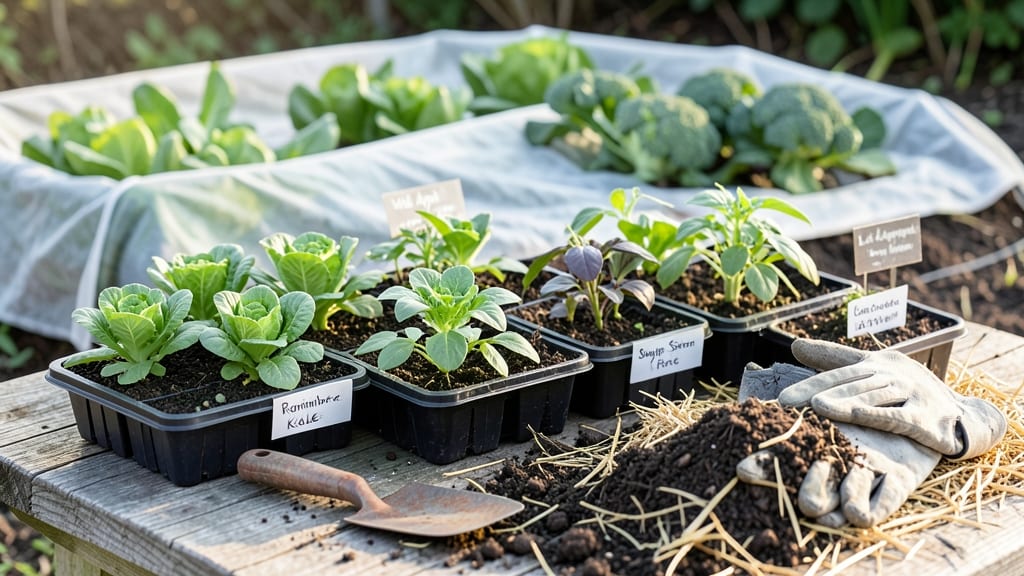
Planting a garden in Maine requires timing your spring and fall windows to the last frost—typically mid-May for most zones, but with coastal areas running two weeks earlier.
Maine’s unpredictable frost dates can turn a gardener’s dream into a risky gamble—unless you know the exact timing for your specific zone and plant type. Get the precise frost-free windows here to maximize your harvest before the cold snaps strike.
Whether you’re sowing cold-hardy peas in April or waiting for the soil to warm up for tomatoes in June, the 150-day growing season demands careful planning. I’ll break down the best planting windows for vegetables, flowers, and perennials across Maine’s 5b-6b zones, plus how to adjust for late frosts.
By the end, you’ll know not just when to plant, but how to protect your crops from Maine’s infamous fall freezes—so you can enjoy a bountiful harvest from June through October.
Maine’s frost-free dates by planting Zone: what you Must Know Before Starting
Maine’s USDA Hardiness Zones 4-6 create a unique gardening challenge with late spring frosts and early fall freezes. Understanding your exact frost-free window is critical—plant too early, and tender seedlings die; too late, and your harvest shrinks.
Coastal areas like Portland often see earlier last frosts (mid-April to early May), while inland zones like Bangor can wait until late May.
First, locate your precise zone using the USDA Plant Hardiness Zone Map. Maine spans zones 4a-6b, with microclimates creating 1-2 week differences in frost dates.
For example, Zone 5b (central Maine) typically has a last frost around May 15, while Zone 6a (southern Maine) may see frost-free conditions by May 1.
Here’s your zone-by-zone breakdown of average last spring frost and first fall frost dates, plus planting windows for warm-season crops. Use these as your garden’s GPS—but always monitor local forecasts, as Maine’s weather can shift 24 hours before predictions.
For coastal gardens, like those in Zone 6b, the ocean’s moderating effect can push last frosts 2-3 weeks earlier than inland areas. In contrast, inland valleys (e.g., Zone 4a) often experience colder microclimates and may need row covers to extend the season.
Always verify with local weather stations or the University of Maine Cooperative Extension for real-time adjustments.
Use these dates as your starting point, but remember: Maine’s weather is unpredictable. Warm spells in April can fool you into planting too early, while a late-May frost can wipe out tender seedlings.
For warm-season crops like tomatoes and peppers, wait until after Memorial Day (around May 25) to plant outdoors, or start seeds 6-8 weeks indoors.
Cold-hardy crops like kale, peas, and lettuce can handle light frosts and may be planted 2-3 weeks before your last frost date. Meanwhile, perennials and shrubs should be planted in early spring (April) or fall (September) to establish roots before winter.
Always check the specific plant’s hardiness—some, like lavender, thrive in Zone 5, while roses may need Zone 6 protection.
Pro tip: Track your garden’s
Best planting times for Maine’s top vegetables, flowers, and herbs
Maine’s short growing season demands precision timing to coax the most from your garden. Cold-hardy crops like kale and peas thrive when planted early, while tomatoes and peppers need warm soil—so knowing your last frost date (typically mid-May) is non-negotiable.
I’ve broken down the ideal windows for Maine’s most rewarding plants, including succession planting tricks to stretch harvests until first frost in October.
For cool-season vegetables, start seeds indoors 4-6 weeks before your last frost date. Warm-season plants like tomatoes and cucumbers should wait until soil reaches 60°F—usually late May to early June. Perennials, such as lavender and asparagus, prefer early spring or fall planting to establish roots before winter.
Let’s dive into the specifics so you can avoid the heartbreak of a late frost wiping out your hard work.
- 1 Cold-Hardy Crops (Peas, Kale, Spinach): Plant 4-6 weeks before last frost (mid-April to early May). Use row covers for extra protection.
- 2 Warm-Season Plants (Tomatoes, Peppers, Cucumbers): Wait until soil is 60°F+ (late May to early June). Start seeds indoors 6-8 weeks earlier.
- 3 Perennials (Asparagus, Lavender, Rhubarb): Plant early spring (April) or fall (September) for best root establishment. Asparagus takes 2-3 years to harvest.
- 4 Succession Planting: Sow lettuce, radishes, or beans every 2 weeks from May to July to extend harvests. Bush beans mature in 50-60 days, perfect for quick turnarounds.
- 5 Fall Planting (Broccoli, Carrots, Pansies): Sow 8-10 weeks before first frost (late July to early August). Pansies bloom until snowfall!
Maine’s coastal regions (like Zone 5b) enjoy slightly earlier last frost dates (early May), while inland areas (Zone 4a) may wait until late May. Always check the University of Maine Cooperative Extension for your specific microclimate adjustments.
For example, Portland gardeners can plant cucumbers by May 10, while Bangor should wait until May 25.
Don’t let late frosts catch you off guard—use frost cloth for warm-season plants if temperatures dip below 32°F after planting.
I’ve learned the hard way that tomato seedlings wilted overnight in May can be revived with a row cover and patience. Succession planting is your secret weapon: by staggering lettuce or radish sowings every 2 weeks, you’ll enjoy a steady harvest instead of one overwhelming glut.
For herbs, parsley and cilantro thrive in cool weather and can be planted as early as April, while basil and oregano need to wait until after Memorial Day. Perennial herbs like thyme and rosemary should be planted in spring so they establish before winter.
Pro tip: Mulch heavily in fall to protect herb roots from freeze-thaw cycles.
Remember, Maine’s growing season is short—120-150 frost-free days—so prioritize fast-maturing varieties like ‘Early Girl’ tomatoes (60 days) or ‘Cherry Belle’ radishes (25 days). With these timelines, you’ll turn your garden into a productive powerhouse before the first snowflakes fly. 🌱