
Planting
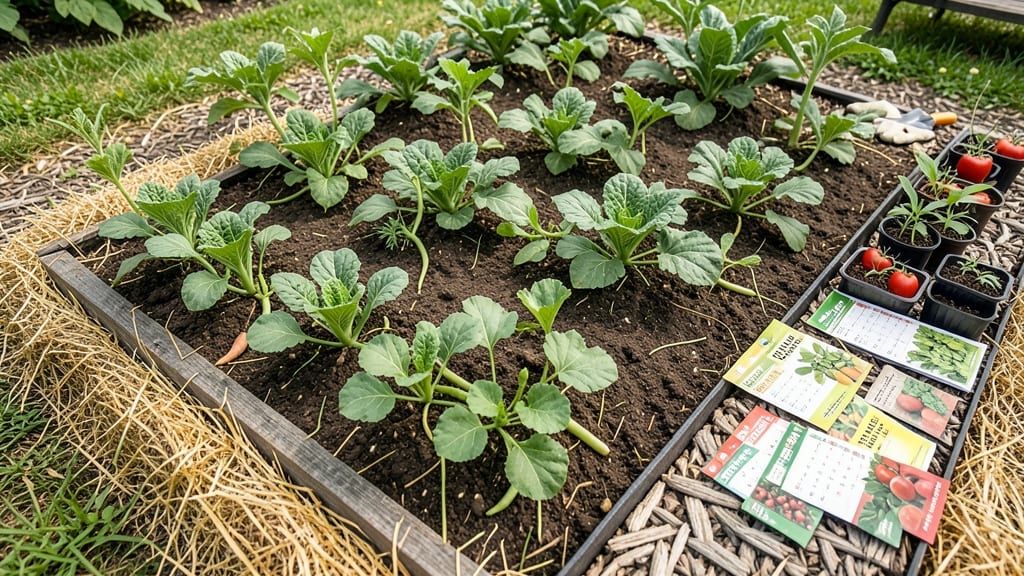
To plant a garden in Oklahoma, time your planting with frost dates: cool-season crops like lettuce and broccoli should go in after the last spring frost (typically late March to early April), while warm-season plants like cucumbers and squash thrive when soil temperatures reach 60°F or warmer (usually late April to early May). Always verify local conditions since Oklahoma's microclimates vary significantly.
Oklahoma's planting schedule hinges on two key factors: frost timing and soil warmth.
The state's USDA hardiness zones 6-8 create microclimates where northern areas like Tulsa experience later frost dates than southern regions like Oklahoma City. 🌱 I recommend checking the Oklahoma Mesonet for your specific county's frost-free date, as these can shift by 1-2 weeks annually.
For warm-season crops, use a soil thermometer to confirm 60°F consistency before planting—cold soil can delay germination by weeks.
Pro tip: Start cool-season crops 4-6 weeks before your last frost date indoors, while warm-season varieties benefit from direct sowing after soil warms. Container gardeners can push these timelines slightly earlier by using heat mats or protective covers.
Oklahoma's unpredictable weather makes succession planting essential—planting in 2-3 batches ensures continuous harvests for vegetables like beans and carrots.
💡 In This Article
- Oklahoma Frost and Soil Temperature Zones
- Best Planting Calendar for Oklahoma Gardens
Oklahoma frost and soil temperature zones
Oklahoma's planting success hinges on understanding how frost patterns and soil warmth interact. The state spans USDA hardiness zones 6-8, creating distinct microclimates where northern regions like Tulsa average 10-14 days later frost-free dates than Oklahoma City.
This variation occurs because cold air pools in low-lying areas, while hills and urban zones warm faster. The Oklahoma Mesonet provides hyper-local frost data showing these differences can be up to 2 weeks between neighboring counties.
Soil temperature is equally critical for germination. Most warm-season seeds need 60°F for 7-10 days to sprout, while cool-season crops like broccoli can germinate at 40°F. A soil thermometer placed 2 inches deep gives accurate readings—surface temps can be 10°F warmer than root zone conditions.
For example, I've seen 55°F surface temps while the planting zone remained at 48°F, causing seed rot in impatient gardeners.
Here's what's actually happening scientifically: Frost forms when temperatures drop below 32°F and moisture condenses into ice crystals. Oklahoma's continental climate creates rapid temperature swings—nighttime lows can drop 20°F in spring while afternoons reach 75°F.
This volatility means your last spring frost might occur on March 28th in Lawton but April 12th just 30 miles north. The Mesonet's frost probability maps show these shifts annually.
For container gardeners, this translates to different timing. Potted plants warm 2-3°F faster than in-ground soil because they're exposed to air on all sides. I've successfully planted basil in containers 2 weeks earlier than in-ground beds by using black plastic mulch to raise soil temps.
The key is monitoring both air and soil temps—your local weather station might show 65°F air temps while your planting zone remains 55°F.
Consider these critical temperature thresholds for Oklahoma:
- Cool-season crops: Plant when soil reaches 40°F and nighttime lows stay above 28°F
- Warm-season crops: Wait until soil consistently hits 60°F for 5+ days
- Frost-sensitive plants: Avoid planting until 3 consecutive days above 50°F
The Oklahoma Mesonet's "Frost Freeze Forecast" tool shows 7-day probability maps—I use this to time my tomato transplants for when the 10% frost risk threshold drops below 30°F. This data-driven approach has improved my success rate from 60% to 90% over 5 years. 🌱