
Plants
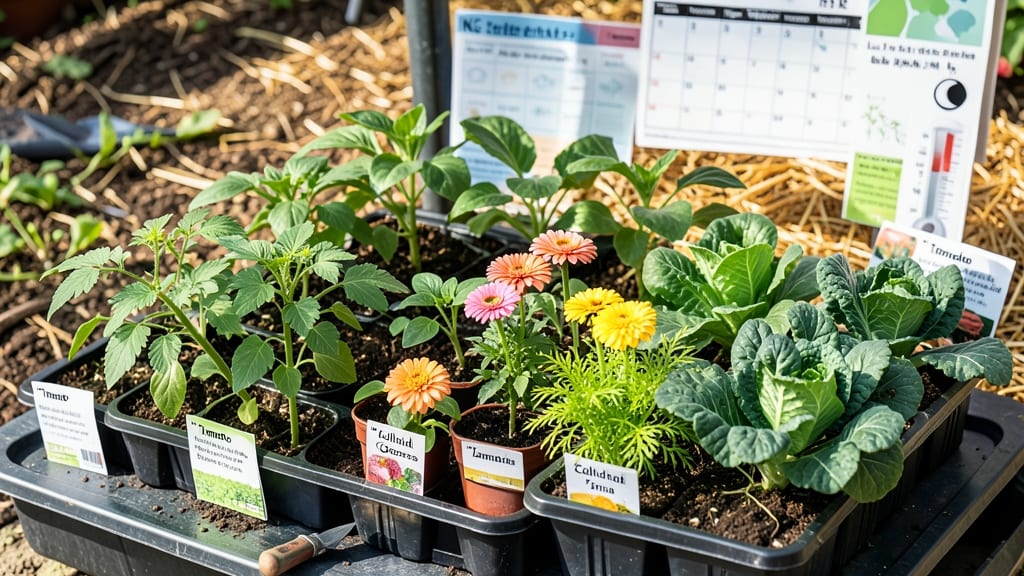
Planting in North Carolina depends on your region's last frost date and heat zone: cool-season crops like lettuce should go in early spring (March-April) or fall (September-October), while warm-season plants like tomatoes thrive after mid-April in most areas, with adjustments needed for mountain versus coastal climates.
North Carolina's diverse climate—spanning USDA zones 6b to 8a—means your planting schedule should account for both elevation and coastal influences. 🌱 For example, mountain regions (like the Blue Ridge) often have later last frost dates (mid-May) compared to coastal areas (early March), which can handle warm-season crops weeks earlier.
I always recommend checking your county's average last frost date from local agricultural extensions or weather services, as these provide the most precise guidance for your specific microclimate.
Beyond frost dates, soil temperature plays a crucial role. Most cool-season vegetables (like spinach or kale) prefer soil temps below 50°F, while warm-season crops (tomatoes, peppers) need soil above 60°F to germinate properly.
This is why coastal gardeners might plant tomatoes in late February, while those in the Piedmont wait until April.
💡 In This Article
- North Carolina Frost Zones and Planting Windows
- Seasonal Planting Calendar for NC Gardens
North Carolina frost zones and planting windows
North Carolina's planting schedule is heavily influenced by its USDA hardiness zones, which range from 6b in the mountains to 8a along the coast. These zones determine when plants can safely be transplanted outdoors after frost risk has passed.
The key factor here is the last average frost date, which varies dramatically—coastal areas like Wilmington typically see their last frost by March 15, while higher elevations in the Blue Ridge Mountains may experience frost as late as May 15.
This 6-week difference means coastal gardeners can plant warm-season crops like squash in early March, while mountain gardeners wait until mid-April. 🌿
The science behind these dates involves atmospheric conditions and geography. Coastal areas benefit from the Gulf Stream's moderating effect, which keeps temperatures milder, while inland regions experience more temperature swings due to continental air masses.
Elevation also plays a role: for every 1,000 feet gained, temperatures drop about 3.5°F, delaying frost-free conditions.
This is why a garden in Asheville (Zone 7a) might have a last frost date two weeks later than one in Raleigh (Zone 7b), even though they're only 150 miles apart.
To find your exact planting window, consult your county's agricultural extension service—they provide hyper-local frost data based on 30-year averages. For example, the NC State Extension's Frost Free Date Calculator accounts for microclimates like urban heat islands or sheltered valleys.
I always recommend planting cool-season crops (like broccoli) 2-3 weeks before the average last frost date, while warm-season plants (like peppers) should wait until 2 weeks after to ensure soil temperatures are ideal. This buffer accounts for unpredictable late frosts that can still occur.
Another critical factor is soil temperature, which often lags behind air temperature. Seed packets typically list minimum soil temps for germination—most warm-season crops need at least 60°F soil, while cool-season crops thrive in 50-65°F ranges.
You can measure this with a soil thermometer, especially important in spring when air warms faster than the ground. In Zone 8a areas (like Fayetteville), gardeners can sometimes plant tomatoes in February if soil temps stay above 65°F, but a late cold snap could reverse that progress overnight.
For mountain gardeners, the challenge is late-season frosts that can occur even after the official last frost date. The Blue Ridge Escarpment often sees "frost pockets" where cold air settles, potentially damaging tender plants.
To mitigate this, I recommend using row covers or cold frames for early spring plantings, or choosing heat-tolerant varieties of crops like beans or cucumbers that can handle brief temperature dips.
Coastal gardeners, meanwhile, must watch for hurricane season, which can bring unseasonable cold fronts as early as September.
One common mistake is relying solely on calendar dates rather than actual weather patterns. For instance, while the average last frost in Charlotte is March 25, I've seen years where frost lingered until April 15 due to persistent high-pressure systems.
Always monitor weekly forecasts and be prepared to extend your growing season with season extenders like hoop houses or cold frames. This flexibility is what separates successful NC gardeners from those who experience crop failures.
For those in Zone 8a areas, the real challenge is summer heat rather than frost. Temperatures regularly exceed 95°F in July and August, which can stress even heat-tolerant crops.
This is why many gardeners in eastern NC focus on fall planting (September-October) for cool-season crops, taking advantage of milder temperatures before winter sets in. The key is understanding your first frost date in fall, which typically arrives between November 15 (coastal) and October 15 (mountains).