
Plants
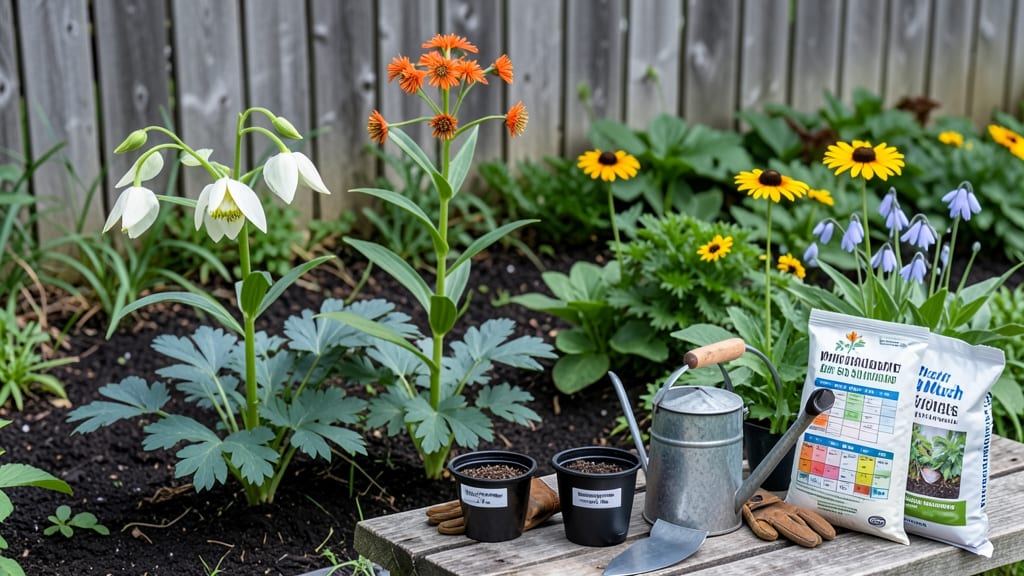
Knowing when to plant in Virginia means timing your garden with your region's last frost date—typically late March to mid-April in the Tidewater, early April to mid-May in Piedmont, and late April to early June in the Mountains. Cool-season crops like lettuce should go in early spring or fall, while warm-season plants such as tomatoes need to wait until soil reaches 60°F.
Virginia's diverse climate creates distinct planting windows across its three main regions.
The coastal Tidewater enjoys the earliest springs, while the Mountains often face delayed starts due to higher elevations. 🌱 For example, gardeners in Piedmont might plant peas in early March but wait until May for tomatoes, whereas those in the Mountains could have a full month later schedule.
Soil temperature is just as critical as calendar dates—using a soil thermometer ensures warm-season plants like peppers get a proper head start.
Beyond frost dates, consider your garden's microclimate. Urban areas may experience heat islands that warm soil faster, while rural spots might stay cooler longer.
I always recommend checking local Cooperative Extension Service records for your specific zip code, as these provide hyper-local frost data that's more accurate than general region guidelines.
💡 In This Article
- Virginia’s Frost Zones and Planting Timelines by Region
- Best Crops to Plant in Virginia’s Spring and Fall Seasons
Virginia’s frost zones and planting timelines by region
Virginia’s three distinct regions—Tidewater, Piedmont, and Mountains—create dramatically different planting windows due to elevation and coastal influences. The Tidewater’s maritime climate moderates temperatures, resulting in an average last frost between March 20-31, while the Mountains can see frost as late as June 1-15 due to their 1,000-4,000 foot elevation.
This 6-week difference means a tomato planted in Norfolk on April 15 might need to wait until May 30 in Roanoke for safe soil conditions.
The Piedmont region acts as a transitional zone where frost dates typically fall between April 1-15, but microclimates create local variations. For instance, urban heat islands in Richmond can warm soil 3-5°F faster than rural areas, allowing early planting of heat-sensitive crops like spinach.
Conversely, valley bottoms often hold cold air longer, delaying planting by 1-2 weeks. Always check your specific elevation—every 300 feet gain pushes frost dates back by about 3-5 days.
Understanding these regional patterns helps avoid common mistakes like planting warm-season crops too early. I’ve seen gardeners in the Shenandoah Valley attempt tomato planting in May only to have seedlings killed by unexpected 32°F nights in early June.
The solution? Use frost-free dates as guidelines but verify soil temperatures—warm-season plants need 60°F+ for consistent germination.
Another critical factor is the first frost window, which varies just as dramatically. Tidewater areas average their first fall frost around November 15-30, while Mountain regions can see frost as early as October 15.
This means fall planting opportunities last 4-6 weeks longer in coastal areas. For example, you can plant broccoli in Norfolk until mid-November, but Mountain gardeners should finish by early October.
For precise timing, consult the USDA Plant Hardiness Zone Map combined with local Cooperative Extension records. Virginia spans zones 6b-7b, but microclimates within each zone create planting windows that can differ by 2-3 weeks.
For instance, a Zone 7a garden in Charlottesville might plant beans on April 10, while a nearby Zone 6b garden in the Blue Ridge Mountains waits until April 25.
Remember that these are averages—actual frost dates can vary by ±10 days annually. I recommend tracking your own garden’s frost history for 2-3 years to refine planting schedules.
This local data becomes your most reliable guide, especially when dealing with sensitive crops like melons that need 70°F+ soil** for proper root development.