
Plants
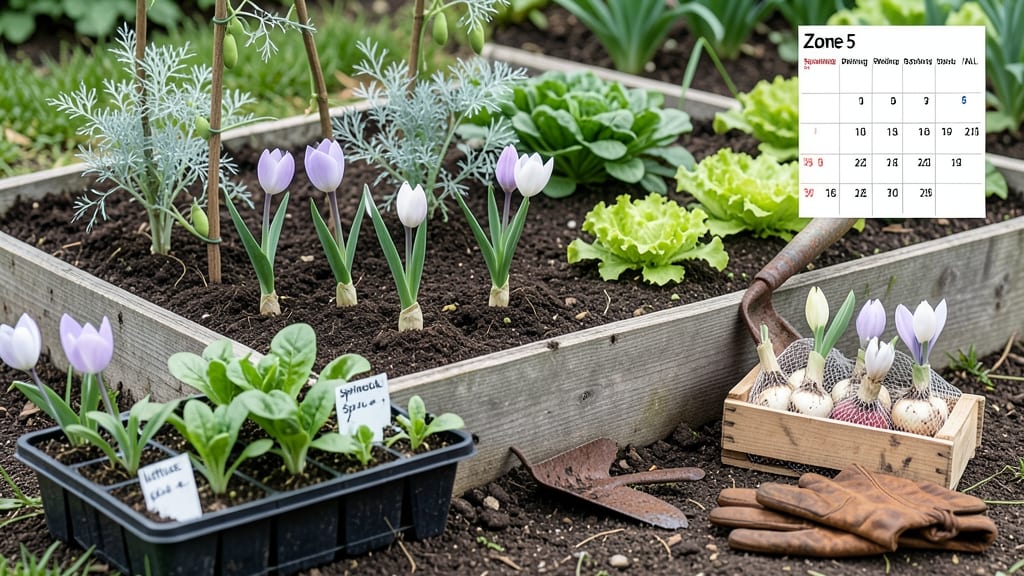
To plant in Zone 5, time your crops carefully: cool-season vegetables like spinach and peas should go in 4-6 weeks before last frost (March-April), while warm-season crops such as tomatoes and peppers need soil temperatures above 60°F (late May-June). Always check your specific frost dates for precision.
Timing your garden in Zone 5 means working with Mother Nature's schedule—cool-season crops like lettuce and kale actually prefer the chill of early spring, while warm-season favorites such as cucumbers and basil need the soil to warm up first. 🌱 The key is understanding your average last frost date (usually late April to early May) and adjusting for soil temperature, which can lag behind air temperature by weeks.
For example, I always plant my broccoli in early April, but wait until Memorial Day weekend for tomatoes, even if the air feels warm earlier.
Pro tip: Use a soil thermometer to confirm when to plant heat-lovers—some years, May stays cool, and waiting until June might be necessary. This small tool saves me from wasted seeds and frustrated seedlings every season.
💡 In This Article
- Zone 5 Frost Dates and Planting Timelines
- Best Zone 5 Crops by Season and Planting Schedule
Zone 5 frost dates and planting timelines
The science behind frost dates in Zone 5 revolves around three key factors: historical climate data, soil temperature, and plant hardiness zones. Your average last frost date typically falls between April 15-30, but this can vary by 7-10 days depending on microclimates.
For example, urban areas may experience later frosts due to heat retention, while rural spots often warm faster. The USDA Zone 5 designation means plants can survive down to -20°F to -10°F, but most garden crops need protection from even 28°F frosts.
Here's how to calculate your planting window: Start by finding your last average frost date (check local weather records or the National Oceanic and Atmospheric Administration), then count backward for cool-season crops.
For instance, spinach seeds need 60-75 days to mature, so planting 4-6 weeks before last frost ensures harvest before summer heat. Warm-season crops like peppers require soil temperatures above 60°F—I always wait until my soil thermometer reads consistently 65°F for 3+ days before planting.
Soil temperature is the critical factor most gardeners overlook. Air temperature can feel warm in May, but soil may still be 50°F—too cool for tomatoes or peppers to germinate. The rule of thumb is that soil warms 1°F per day in spring, but this varies with organic matter content.
Sandy soils heat faster than clay, which can delay planting by 1-2 weeks. I've seen pea seedlings rot in cold, wet soil even when air temperatures were perfect—always test with a thermometer!
For cool-season crops, the first frost date (typically October 15-November 1) determines your fall planting window. Most greens tolerate light frosts, but broccoli and cabbage should be planted 8-10 weeks before first frost to mature before winter.
The exception is hardy crops like kale, which actually sweeten with frost—plant these 6-8 weeks before first frost for continuous harvests through winter.
Advanced gardeners use a frost-free date calculator that accounts for your specific location's 10-year average. For example, in Chicago (Zone 5b), the last frost is April 22 on average, while Denver (Zone 5a) sees its last frost May 5.
This 14-day difference means Denver gardeners can start warm-season crops 2 weeks earlier than Chicagoans. Always verify with your local cooperative extension service for hyper-local data.
Pro tip: Create a planting timeline chart using your frost dates. For cool-season crops, mark March 15-April 15 as your window, while warm-season crops get their turn May 15-June 15.
This visual helps prevent overlap planting mistakes where cool-lovers bolt in summer heat or warm-season crops fail in cold soil.
Remember: Mother Nature doesn't always follow averages. In 2021, a late April frost in my area killed my early lettuce—always have row covers ready for 32°F nights. The key to Zone 5 success is flexibility combined with precise timing. 🌱